
Mahama Under Pressure: Why Galamsey Remains Ghana's Most Urgent Crisis


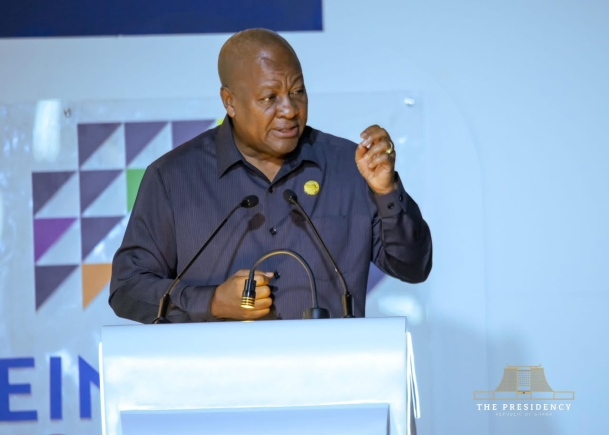
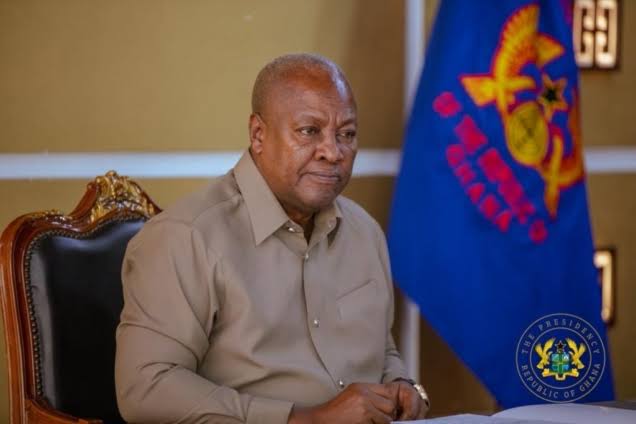
President John Dramani Mahama faces mounting criticism over his government's handling of galamsey—illegal small-scale mining—which observers argue has intensified rather than diminished in the 20 months since his election. The debate centres on a stark question: if the government recognises galamsey as an existential threat to Ghana's water sources and national survival, why has it not deployed the full constitutional powers available to combat it?
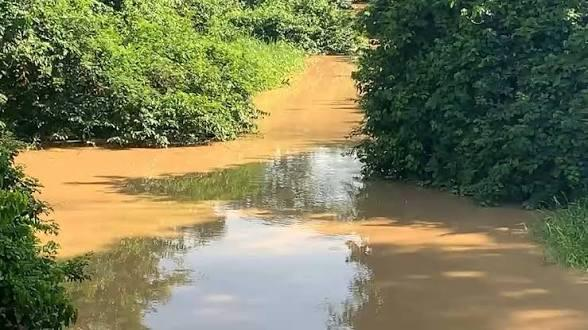
The argument being pressed is unambiguous. Galamsey operations pollute rivers, destroy farmland, and contaminate groundwater across Ghana. Environmental and public health studies have documented the scale of this damage. Yet according to critics, the situation has deteriorated under the current administration despite campaign promises to tackle the menace. The writer contends that strong leadership demands action regardless of the livelihoods argument—that approximately four million people depend on illegal mining.
The Numbers and the Logic
Ghana's projected 2026 population stands at over 34 million citizens. The central premise is straightforward: should the economic interests of four million galamsey operators outweigh the existential survival needs of 30 million others? Critics argue the government has conflated two separate problems. Preventing illegal mining in water bodies, forests and farmlands does not require banning all mining activity. Galamsey operators, the argument goes, could legally pursue gold extraction on alternative sites away from sensitive ecosystems and agricultural zones.
The piece raises a pointed constitutional question: if Ghana's military would enforce such restrictions under a military regime without hesitation, why cannot the same enforcement powers be mobilised under emergency measures within a democratic framework? The implication is that the political will, rather than legal capacity, is lacking.
Why This Matters for Ghana
Water security is foundational to national security. Polluted rivers and poisoned groundwater affect agricultural productivity, public health, industrial operations and drinking water availability. Unlike temporary economic policies, environmental destruction is often irreversible. The criticism reflects a broader Ghanaian anxiety that short-term political calculations are being prioritised over long-term national survival.
The comparison drawn to China—where strict environmental enforcement has preserved river systems—underscores the argument that enforcement requires political courage. Ghana's rivers, by contrast, are widely acknowledged as severely compromised by pollution from various sources, including galamsey.
The questions posed to President Mahama are ultimately about governance choices: whether a democratically elected government can exercise its full constitutional authority to protect citizens from threats to their existence, and whether political expediency should constrain such action.
Source: The Ghana Report


Comments (0)
Be the first to comment.