Lawyer Agyei Baffuor: Why I refused to go with EOCO official – safety concerns over proper identification

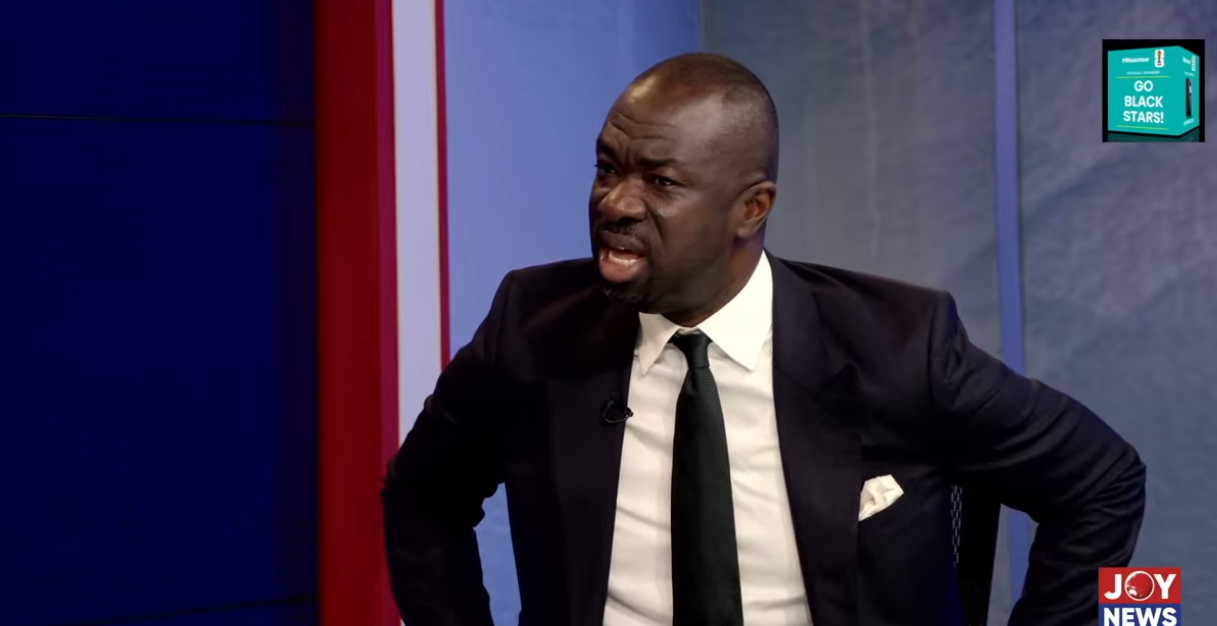
Private legal practitioner Lawyer Agyei Baffuor has broken his silence on a recent confrontation with a woman who claimed to represent the Economic and Organised Crime Office (EOCO), explaining that concerns about his personal safety drove his decision to refuse compliance with her directive.
Speaking at a press engagement organised by the Parliamentary Minority on Wednesday, Baffuor detailed how the suspicious circumstances of the encounter led him to believe he could be facing a kidnapping attempt rather than a lawful arrest.
The Safety Concern Behind His Refusal
Baffuor told journalists that the woman who approached him failed to provide proper identification in a manner that would reasonably assure him of her authenticity and his safety. Given the lack of verifiable credentials and the unexpected nature of the approach, he determined it was prudent to decline following her without further verification.
"I refused to follow the woman who identified herself as an EOCO official because I feared she wanted to kidnap me," the lawyer stated. He emphasised that his reaction was not born out of disrespect for law enforcement or a desire to obstruct justice, but rather a rational response to protect his own wellbeing under circumstances that raised genuine red flags.
Baffuor stressed that any reasonable law-abiding citizen would have acted similarly when faced with an individual making unsubstantiated claims of authority, particularly when formal identification procedures were not followed. The incident highlights the tension between citizens' duty to cooperate with lawful authorities and their legitimate right to verify that those claiming official capacity are genuine.
Why This Matters for Ghana
The incident raises important questions about law enforcement procedures and public trust in security agencies. For Ghana's legal system to function effectively, both citizens and officials must operate within frameworks that protect individual rights whilst enabling legitimate state functions. When law enforcement approaches lack proper protocol and clear identification, they can erode public confidence and create genuine fear among citizens who are expected to cooperate.
This case also touches on broader concerns about impersonation, fraud, and the vulnerability of citizens to criminal schemes. In an environment where criminals may pose as officials to commit kidnappings, theft, or other crimes, citizens have a justified interest in demanding proper verification before submitting to detention or departure with strangers claiming authority.
Parliamentary Minority's Response
The Parliamentary Minority used the engagement to call on Ghana's security agencies to strengthen their operational standards. They urged officials conducting lawful duties to properly identify themselves and adhere to established due process requirements. Such measures, they argued, would reduce fear and panic among the general public whilst simultaneously enhancing the legitimacy and effectiveness of law enforcement operations.
The statement reflects a recurring tension in Ghana's security landscape: the need for efficient law enforcement must be balanced against the protection of citizens' rights and safety. Without clear protocols and proper identification procedures, even well-intentioned arrests can generate suspicion and resistance that complicates legitimate police work.
Source: The Ghanaian Times


Comments (0)
Be the first to comment.