Kumasi demolition at Asafo descends into violence as residents clash with city officials
.jpg)
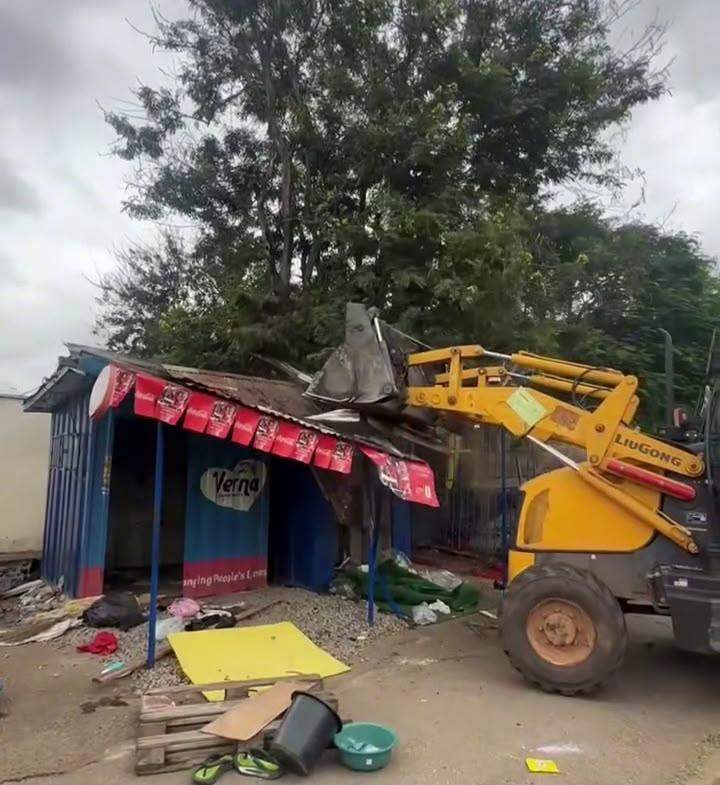
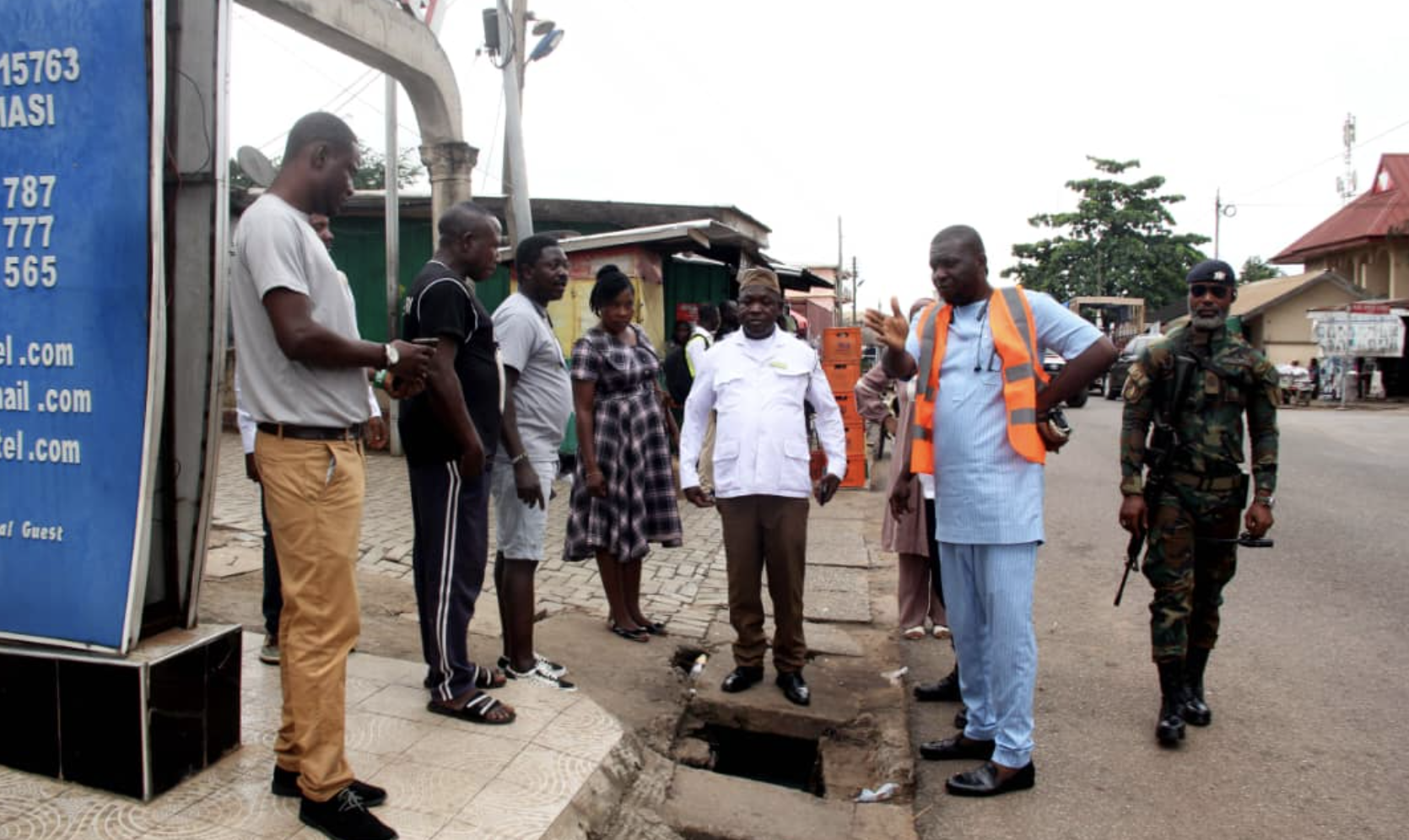
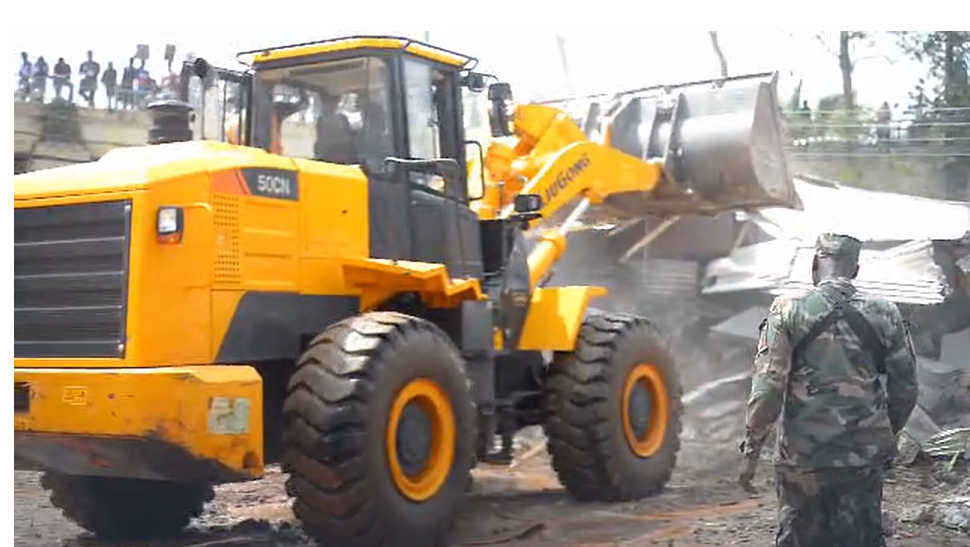
A planned demolition operation in Kumasi's Asafo neighbourhood escalated into chaos on Thursday when residents and squatters clashed with Kumasi Metropolitan Authority (KMA) officials, pelting them with stones and other objects. The exercise, spearheaded by Kumasi Mayor Richard Ofori Agyemang Boadi, sought to clear what city authorities characterise as one of Kumasi's most problematic zones for drug trafficking and illicit activities.
According to reports, the operation began as a routine enforcement action by the KMA to demolish unauthorised structures within the area. However, the situation deteriorated rapidly when residents—many of whom face displacement—mounted resistance against the officials. The confrontation forced officials to suspend the exercise temporarily, raising questions about how similar operations will be managed in the future.
Why the demolition matters for Kumasi
Asafo has long been identified by law enforcement and city administrators as a focal point for organised crime, including drug distribution networks and street-level illicit trade. The KMA's targeting of the area reflects a broader push by the Kumasi Metropolitan Assembly to reclaim public spaces and improve security in the city centre. However, such enforcement actions inevitably pit municipal authorities against informal residents who depend on informal economic activities in these zones.
The violence during this exercise highlights a recurring challenge for urban authorities across Ghana: how to enforce regulations and clear illegal structures whilst managing the socio-economic displacement of vulnerable populations. Many squatters in areas like Asafo lack formal housing options and alternative livelihoods, making them resistant to sudden clearance operations.
The broader context of Kumasi's urban renewal
Kumasi has experienced rapid informal settlement growth over the past decade, with several inner-city neighbourhoods becoming associated with crime, poor sanitation, and social disorder. The KMA, under Mayor Boadi's leadership, has signalled commitment to addressing these issues through both enforcement and—theoretically—rehabilitation efforts. Previous demolition exercises in the city have similarly met resistance, though few have resulted in reported stone-throwing incidents of this scale.
The incident raises concerns about the safety of municipal officials conducting such operations and the need for better coordination with police and security personnel. It also underscores the absence of visible alternatives: residents and squatters in these areas often lack access to affordable housing or integrated social support programmes that might ease their transition away from informal settlements.
What comes next
The KMA is likely to resume the Asafo demolition exercise with enhanced security measures and police presence. However, the long-term success of such operations depends on whether the city can couple enforcement with concrete livelihood and housing solutions for displaced residents. Without such support, future exercises risk repeating the same pattern of confrontation.
Local observers and civil society groups may also call for dialogue between the KMA and affected communities to understand their concerns and explore more collaborative approaches to urban renewal that do not leave residents entirely vulnerable.
Source: 3News

Comments (0)
Be the first to comment.