ILAPI warns government against seizing dormant bank accounts to plug budget deficit
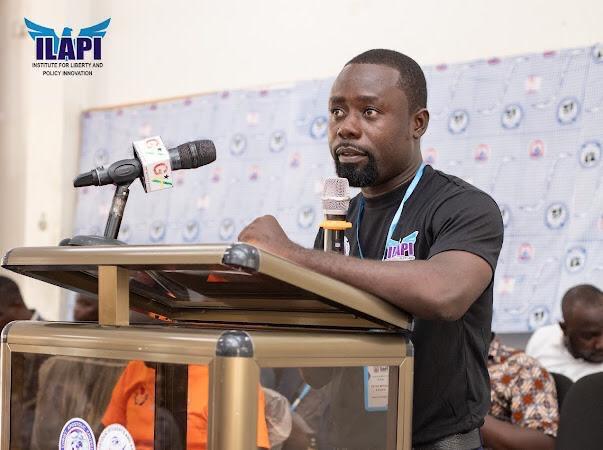
Ghana's Institute for Liberty and Policy Innovation has strongly opposed government proposals to access dormant bank accounts as a means of raising revenue for national development, citing serious threats to property rights and public confidence in the financial system.
The policy advocacy group, led by Executive Director Peter Bismark, released a statement on Friday warning that whilst Ghana faces genuine fiscal pressures requiring creative domestic resource mobilisation, seizing private savings—active or dormant—crosses a dangerous constitutional and economic line.
The core concern: protecting property rights
ILAPI emphasises that dormant accounts remain the legitimate private property of their owners, not abandoned assets available for government appropriation. The organisation points out that accounts may lie inactive for entirely legitimate reasons: long-term savings strategies, citizens working abroad, medical circumstances, inheritance complications, or retirement planning.
Bismark stressed that economic confidence depends fundamentally on citizens trusting their assets are protected from arbitrary state intervention. "An economy thrives when individuals have confidence that their assets are protected from arbitrary government interventions," he argued.
The think-tank notes that Ghana's banking system already possesses established mechanisms to reactivate dormant accounts once ownership is properly verified. Rather than converting these balances into government revenue, policy should prioritise reuniting Ghanaians with their own money.
What this means for Ghana's fiscal challenge
Ghana is grappling with a significant budget deficit and fiscal consolidation programme. The Finance Ministry's consideration of dormant account funds reflects the government's struggle to find revenue sources whilst meeting development needs and debt servicing obligations. However, ILAPI argues this approach addresses a symptom rather than root causes of fiscal stress.
The organisation advocates instead for fundamental structural reforms: eliminating unbudgeted and inefficient public expenditure, strengthening institutional accountability, and recovering misappropriated funds through anti-corruption efforts. These measures, ILAPI contends, would free up considerably more fiscal space than raiding private savings.
ILAPI's alternative framework
Rather than government absorption of dormant balances, ILAPI proposes establishing an Independent Unclaimed Assets Trust operating under strict statutory protections. This entity would:
- Operate independently, shielded from political interference or fiscal raids
- Guarantee perpetual or long-term claim rights for legitimate account holders and heirs
- Publish mandatory regular audits and financial reports ensuring transparency
- Invest idle balances conservatively in low-risk instruments whilst maintaining liquidity for incoming claims
- Hold all assets strictly in trust rather than treating them as standard government revenue
The think-tank also calls for Ghana to create a publicly accessible, transparent online registry enabling families to trace and claim missing assets, whilst eliminating administrative bottlenecks that currently delay access to funds.
ILAPI's position reflects broader constitutional concerns about property protection and signals potential pushback from civil society if the government proceeds with dormant account appropriation. The debate touches fundamental questions about the relationship between state fiscal needs and individual financial security in Ghana.
Source: MyJoyOnline




Comments (0)
Be the first to comment.