How Tactical Flexibility Could Define Ghana's Next Major Tournament Push
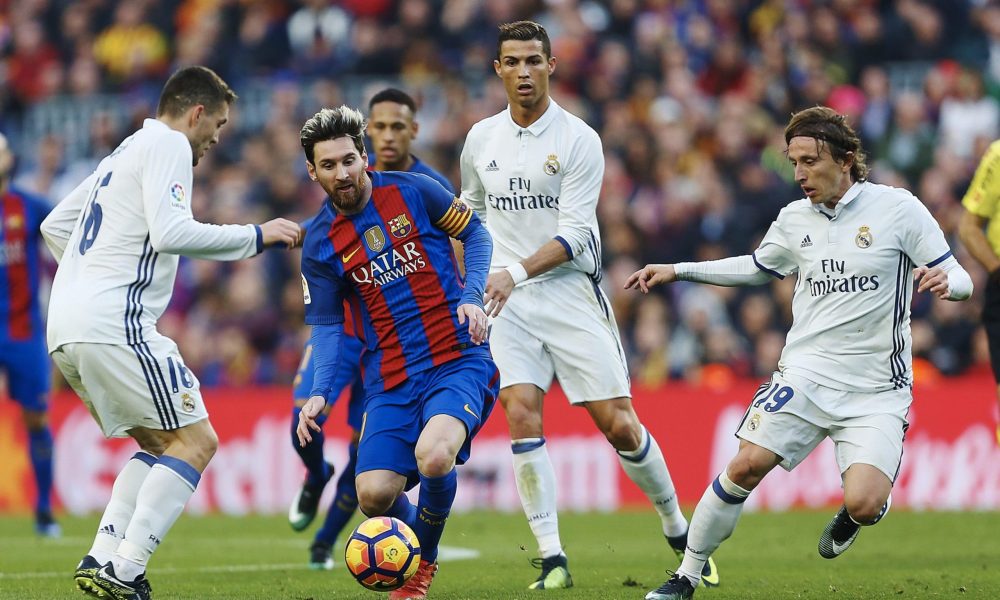
As Ghana's football programme continues rebuilding efforts, one key lesson from elite international football is becoming increasingly clear: rigid tactical systems rarely survive the pressure of major tournaments. Tactical flexibility—the ability to adjust formation, tempo and pressing intensity mid-match—has emerged as a decisive factor in global finals, from World Cups to African Championships. For Ghana's coaches and players, understanding these principles could be crucial for future AFCON campaigns and World Cup qualifiers.
In knockout competitions where preparation time is limited and opponents vary dramatically in style, teams that cling to a single tactical blueprint risk exposure. A side built to attack high-pressing opponents may find itself struggling against deep, compact defences. Similarly, a team comfortable controlling possession can be caught off-guard by direct counter-attacking football. Ghana's recent tournament experiences have shown the cost of predictability—opponents quickly identify weaknesses and exploit them relentlessly.
Reading the Match and Making Real-Time Adjustments
Elite coaches at global finals do not wait for half-time to solve tactical problems. If an opponent overloads one flank, presses the midfield aggressively or reveals vulnerability to a particular passing pattern, successful teams adjust within minutes. A midfielder might drop deeper to shield the defence, a winger could move inside to create passing lanes, or the defensive line might sit slightly deeper to deny space behind fullbacks. These in-game tweaks preserve the squad's substitutions for later use when fatigue or injuries demand fresh legs.
For Ghana, this requires coaching staff with the tactical awareness to read matches quickly and players confident enough to execute unfamiliar instructions under pressure. The Black Stars have occasionally struggled with this responsiveness, particularly in high-stakes matches where early adjustments could have changed the outcome.
Why This Matters for Ghana's Tournament Ambitions
AFCON and World Cup qualifiers present constantly shifting tactical problems. African football encompasses many different styles—from the intense pressing of some West African sides to the possession-based football of North African teams and the counter-attacking approach favoured by others. A Ghanaian team that masters only one system will predictably lose matches against opponents who expose its weaknesses.
Fatigue and injuries also compound during tournament football. When key players become unavailable, inflexible coaches are forced to ask replacements to imitate their predecessors rather than contribute through their own strengths. An adaptable system allows squad rotation without significant drops in performance, extending Ghana's ability to compete through multiple matches in compressed schedules.
Beyond match management, tactical variation prevents opponents from studying Ghana's approach comprehensively. Analysts will always review footage, but a team that alternates between pressing intensities, changes its point of attack and adjusts formation based on scoreline creates uncertainty that is harder to plan for.
The Winning Formula
The strongest teams in global finals preserve their core identity—the fundamental style that defines their strengths—while remaining genuinely flexible in execution. Ghana should aim for similar balance: maintain a clear philosophical foundation that suits the squad's qualities, but train extensively in alternative systems and transitions. Coaches must be empowered to make bold changes, and players must understand multiple roles and formations well enough to execute them instinctively.
Tournament football is decided by marginal differences. Tactical rigidity has cost Ghana matches against inferior opponents. Flexibility, by contrast, might be the difference between reaching a final and winning one.
Source: Ameyaw Debrah
-1200x785.webp)


Comments (0)
Be the first to comment.