
AFCON Returns to Every-Two-Years Format as CAF Scraps Controversial Four-Year Plan
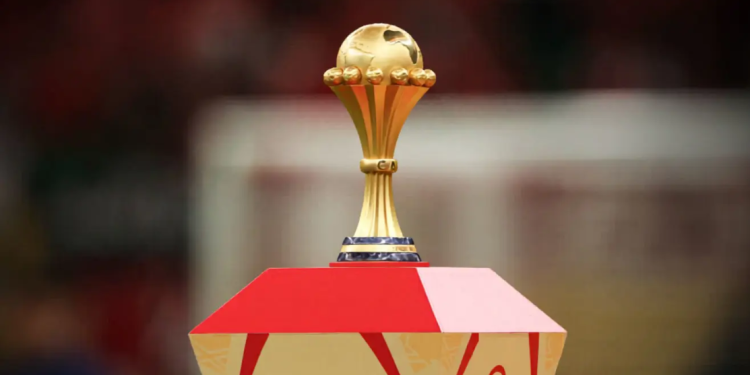

African football fans, including millions of Ghanaians who live and breathe the Africa Cup of Nations, can breathe a collective sigh of relief. The Confederation of African Football (CAF) has officially reversed its short-lived plan to hold the AFCON every four years, restoring the tournament to its familiar two-year cycle. The decision was made unanimously by CAF's Executive Committee (EXCO) and announced on Friday, 30th October 2027.
How We Got Here
The controversy began when CAF adopted a resolution to shift the AFCON from a biennial competition to one held every four years — a move that drew widespread criticism from players, fans, and football administrators across the continent. Supporters of the change had argued it would align AFCON more closely with the FIFA World Cup calendar and allow clubs — particularly European clubs fielding African players — greater predictability in their schedules.
However, opponents pushed back strongly, insisting that a four-year gap would diminish the tournament's momentum, reduce opportunities for smaller football nations to compete at the highest level, and disconnect fans from a competition that has historically been a regular source of continental pride and unity.
CAF President Patrice Motsepe had signalled that a rethink was on the cards. Speaking at the CAF Strategy Conference held in Cabo Verde from 7th to 9th October 2026, Motsepe acknowledged that the Executive Committee would reassess the four-year cycle decision. The latest resolution, made a year later, confirms that reassessment has concluded firmly in favour of restoring the original format.
Why It Matters for Ghana
For Ghana, the AFCON is far more than just another football tournament. The Black Stars have been one of the continent's most decorated sides historically, and AFCON campaigns generate enormous national conversation, passion, and economic activity — from replica jersey sales to viewing centre businesses operating in towns and cities across the country.
A four-year cycle would have meant Ghanaian fans waiting twice as long between tournaments, reducing the number of opportunities for the Black Stars to compete for continental glory. Given Ghana's ongoing efforts to rebuild and strengthen the national team, more frequent high-stakes competition is widely considered beneficial for player development and team cohesion.
The return to the two-year schedule also has implications for the Ghana Football Association (GFA) and local clubs, as AFCON qualification campaigns drive interest in the national team and can boost attendance and engagement with domestic football.
What Happens Next
With the biennial format now firmly restored, attention will turn to the scheduling of upcoming AFCON editions and qualification processes. The competition remains the flagship national team tournament on the African continent, regularly attracting massive television audiences and sponsorship interest.
- CAF's decision is expected to be welcomed by player unions and supporters' groups who had campaigned against the four-year proposal.
- African players based at European clubs had been among those most vocal about the scheduling challenges posed by a more frequent international calendar — though that argument now returns to the fore under the restored two-year cycle.
- For Ghana, the development means the Black Stars could be preparing for another AFCON qualifying campaign sooner than previously anticipated under the scrapped plan.
CAF's swift reversal is a reminder that in African football, supporter sentiment and continental tradition carry significant weight. The AFCON, staged every two years, remains the heartbeat of African football — and for Ghana, one of the most anticipated events on the sporting calendar.
Source: Today GH

-1200x785.webp)
Comments (0)
Be the first to comment.