How Enil Art Turned Trotro Sketching Into a Creative Masterclass
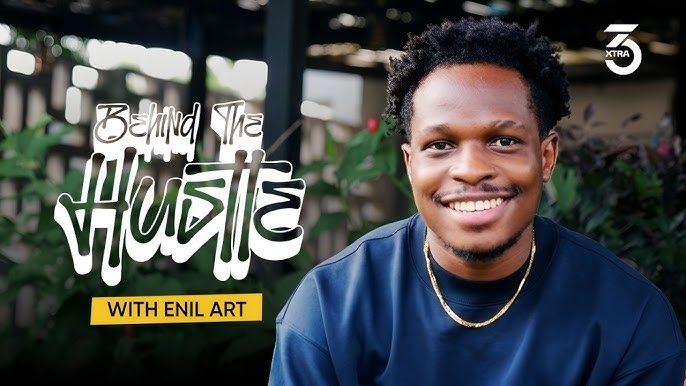
Ghanaian visual artist Israel Derrick Apeti, professionally known as Enil Art, has shared an inspiring story about how an unlikely setting—the interior of a moving trotro—became his training ground for honing one of his most crucial artistic skills: steady hand control and precise line work.
In an open reflection on his creative journey, Enil Art explained that he deliberately set himself the challenging task of sketching with pen inside trotro vehicles as a deliberate exercise to push his technical abilities. The constant motion, unpredictable bumps, and confined space of Ghana's iconic minibus transport system forced him to adapt and develop a level of concentration and muscle memory that traditional studio practice might not have cultivated in the same way.
The Unconventional Training Method
What many artists might view as a distraction or obstacle, Enil Art transformed into a disciplined creative practice. By committing to sketch work during his daily commutes on trotros, he wasn't simply passing time—he was systematically building the kind of hand-eye coordination and pressure control that separates competent artists from truly skilled ones. The vibrations of the vehicle, the jostling of fellow passengers, and the limited workspace all demanded focus and adaptability.
This approach reflects a broader philosophy in artistic development: that constraints often breed innovation. Rather than waiting for the perfect studio conditions, Enil Art seized everyday moments and converted them into purposeful training sessions. His willingness to work in challenging environments demonstrates the kind of dedication that distinguishes artists who remain perpetually dependent on ideal circumstances from those who develop genuine technical mastery.
Why It Matters for Ghana's Creative Scene
Enil Art's story carries particular resonance in the Ghanaian context, where many emerging artists face real constraints—limited access to formal art education, expensive materials, and inadequate studio spaces. His journey suggests that resourcefulness and commitment can overcome these barriers. The trotro itself, a fixture of Ghanaian urban life, becomes a metaphor for turning everyday challenges into opportunities.
The narrative also highlights how Ghanaian creatives are finding ways to develop internationally competitive skills despite systemic limitations. As Ghana's visual arts sector continues to gain international recognition, stories like Enil Art's inspire younger artists to view their environment not as a limitation but as a tool for development. His experience suggests that artistic excellence isn't exclusively the product of expensive art schools or pristine studios—it can emerge from the hustle, creativity, and determination of an artist willing to make use of what's available.
For Ghanaian audiences interested in art, entrepreneurship, or personal development, Enil Art's approach offers a valuable lesson: strategic constraint and intentional practice in ordinary settings can yield extraordinary results. It's a distinctly Ghanaian success narrative rooted in resilience and creative problem-solving.
Source: 3News


Comments (0)
Be the first to comment.