Government Must Do More for Ghana's Visual Arts Sector, Says Acclaimed Pencil Artist Aewura Arts
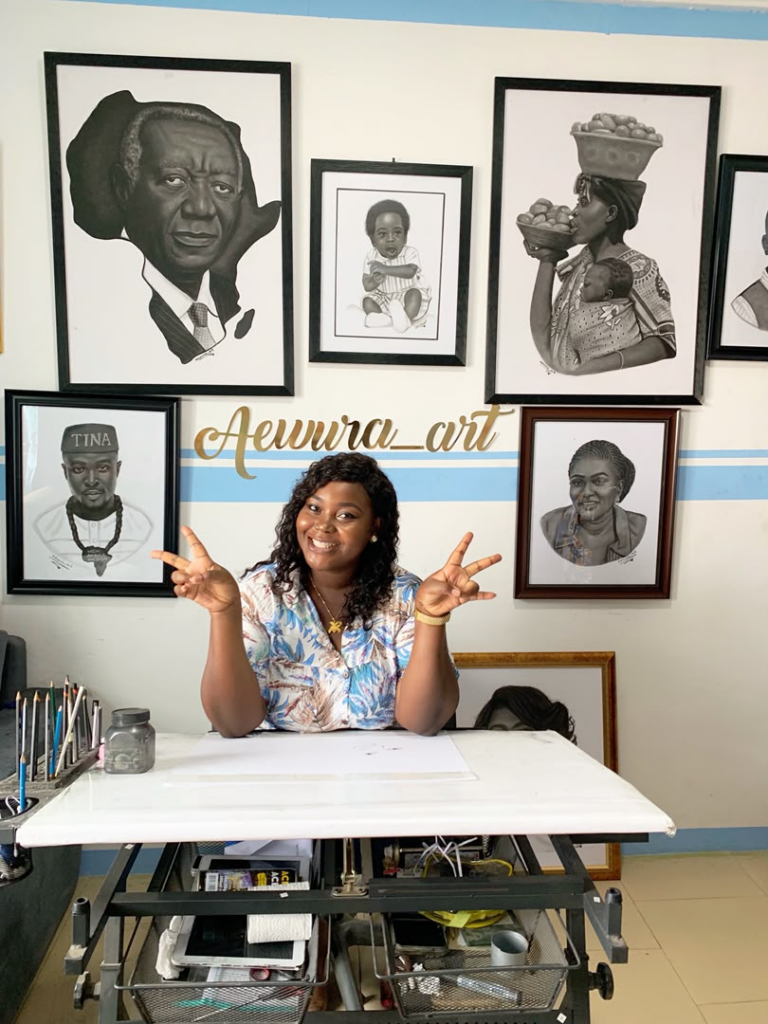
Ghanaian pencil artist Aewura Adjoa, professionally known as Aewura Arts, has issued a stark call for the government to substantially increase its support for the visual arts sector, arguing that current efforts fall far short of what is provided to industries like film and football.
Speaking on The Career Trail programme broadcast on Joy Learning TV and Joy News, Aewura Arts highlighted a troubling imbalance in how different creative industries are prioritised at the policy level. She pointed out that whilst the government has demonstrated visible commitment to developing Ghana's film and football sectors, visual artists are largely left to fend for themselves in building sustainable careers.
"There's no substantial evidence that the government is actually supporting or pushing the arts industry like they do with the movies and the football," Aewura Arts said in the interview. "But with the arts industry, if you're not pushing yourself, you won't get far."
The Ripple Effect on Young Talent
The lack of governmental backing has consequences that extend beyond struggling individual artists. Aewura Arts emphasised that insufficient government support directly influences how parents and guardians perceive arts careers, with many remaining reluctant to encourage their children to pursue paths in the creative sector.
"Parents don't also see the need to push their children or encourage their children to dive into the arts industry. And that's a major problem," she explained. This perception issue creates a self-perpetuating cycle: without visible government investment and clear career pathways, families discourage young talent from entering the field, which in turn limits the pool of professional artists and weakens the sector's overall development.
The concerns raised by Aewura Arts reflect broader challenges facing Ghana's creative economy. While the country has gained international recognition in areas such as music and film, the visual arts—including painting, drawing, sculpture, and related disciplines—remain under-resourced and under-promoted.
Why It Matters for Ghana
Ghana's creative industries represent significant economic potential. The United Nations and UNESCO have long emphasised the role of the cultural and creative sectors in driving sustainable development, job creation, and cultural diplomacy. For a country with Ghana's rich artistic heritage and growing international reputation, failing to adequately support visual arts represents a missed opportunity.
Strong government backing for the arts does more than support individual creators; it builds institutional capacity, attracts international investment, creates employment across multiple sectors (from education to tourism), and enhances Ghana's soft power globally. Countries that invest strategically in their creative sectors—such as South Korea with its support for film and entertainment—have seen substantial economic returns and cultural influence.
Furthermore, the visual arts play a crucial role in education and social cohesion. Access to arts training and opportunities helps young people develop critical thinking, creativity, and entrepreneurial skills. When government deprioritises this sector, it effectively limits these benefits for Ghanaian youth.
Proposed Solutions
Aewura Arts has put forward concrete suggestions for government action. She advocates for the establishment of more government-organised national arts festivals that would provide platforms for visual artists to gain visibility, showcase their work, and connect with potential patrons and collaborators.
Currently, most arts festivals in Ghana are organised by individual creative groups or private entities rather than through coordinated government initiatives. A national framework for such events would create consistency, broader reach, and greater legitimacy for participating artists.
"With that, I think the government can do better," Aewura Arts concluded, calling for deliberate policy interventions that mirror the visible support already extended to other creative sectors.
The artist's plea underscores a fundamental question for Ghana's policymakers: if the nation values its cultural identity and creative talent, how can governmental support for the visual arts remain so limited compared to other industries?
Source: MyJoyOnline
Comments (0)
Be the first to comment.