Historic World Cup 2026: Top Four Ranked Nations Secure Semifinal Spots
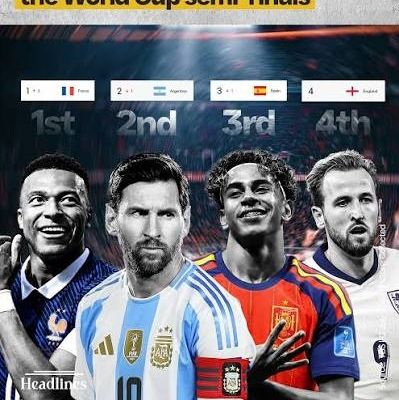
In a remarkable turn of events at the 2026 FIFA World Cup, the four highest-ranked national teams in the world—Spain, Argentina, France and England—have all secured places in the semi-finals, marking the first time this has occurred in the tournament's history. The achievement was facilitated by FIFA's decision to seed the top-ranked teams separately during the draw, ensuring they would not face each other in the earlier rounds of the competition.
This historic outcome highlights the consistency of elite European and South American football at the highest levels. Spain, Argentina and France have all won World Cup titles in recent decades, whilst England has established itself as a consistent contender on the global stage. Their collective progression to the semi-finals represents a convergence of sustained excellence in international football development.
What This Means for African Football and Ghana
For Ghana and African nations, this outcome underscores the competitive gap that exists at the World Cup level. Whilst African teams have produced memorable performances in recent tournaments—including Morocco's semi-final run in 2022—the dominance of elite European and South American sides remains pronounced. The Black Stars and other African representatives will need to examine strategic improvements in player development, tactical innovation and investment in youth academies to close this gap. This 2026 tournament presents an opportunity for Ghana's football federation to analyse successful qualifying strategies and performance benchmarks for future campaigns.
The Seeding System's Impact
FIFA's seeding methodology proved decisive in shaping the tournament's trajectory. By keeping the world's top four ranked teams in separate groups, the football's governing body effectively ensured that these powerhouses would only meet in the knockout stages. This approach differs from previous World Cup formats and reflects an intentional effort to preserve competitive balance in group play whilst guaranteeing elite matchups later in the tournament. The system rewards consistent international performance and ranking points, incentivising nations to maintain high standards year-round.
Looking Ahead
With Spain, Argentina, France and England now set for semi-final encounters, the 2026 World Cup is poised to feature matches between some of football's most prestigious programmes. The semi-finals promise tactical battles between teams with rich histories of excellence. For Ghana's football development strategy, these performances offer valuable lessons in long-term planning, player retention and consistent tournament preparation. The Black Stars' next World Cup qualifying campaign will require renewed focus on competing at similar elite levels, drawing inspiration from the pathways these nations have established.
Source: 3News


Comments (0)
Be the first to comment.