
Heavy periods are a serious health issue – and Ghana's women deserve better care
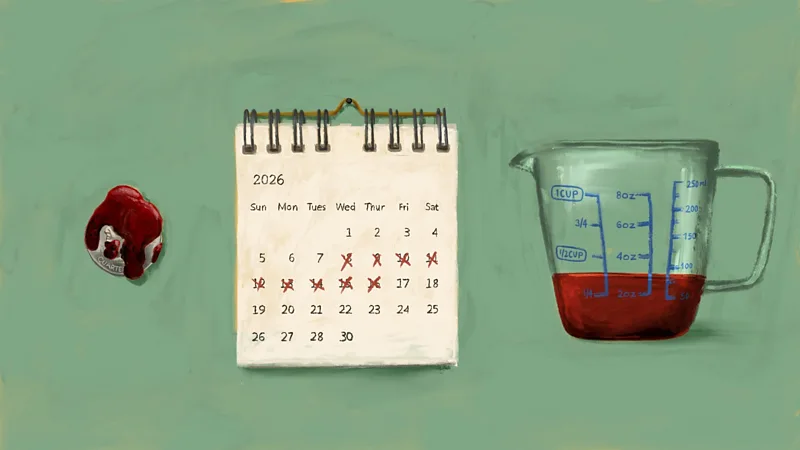

Heavy menstrual bleeding is far more than an inconvenience – it is a serious medical condition that significantly impacts the quality of life for millions of reproductive-aged women worldwide, yet remains vastly under-researched and poorly understood in many parts of the world, including Ghana.
Medical experts define heavy menstrual bleeding as blood loss exceeding 80 millilitres per cycle, the presence of blood clots larger than a coin, or periods lasting longer than seven days. However, the practical reality for women is far more nuanced. Many experience severe symptoms – bloodstained clothes, sheets and furniture, debilitating pain, and profound fatigue – yet are told this is simply something they must endure.
One woman's experience illustrates the widespread problem. Michelle Alston spent decades sleeping through school days in the nurse's office, attributing her weakness and exhaustion to personal failure rather than recognising a genuine medical condition. It wasn't until her early 40s that a doctor identified what should have been diagnosed decades earlier: abnormally heavy menstrual bleeding.
A research gap with real consequences
Research suggests that between 10 and 30 percent of reproductive-aged women globally experience heavy menstrual bleeding. Some experts argue the true figure may be as high as 50 percent, with significant under-reporting due to cultural stigma and lack of awareness about what constitutes abnormal bleeding.
The research disparity is striking. A search of PubMed, a major biomedical research database, yielded just 400 publications on menstrual bleeding over the past decade, compared to over 15,000 on semen. This gap reflects decades of neglect in understanding and treating a condition affecting hundreds of millions of women.
Heavy menstrual bleeding can indicate serious underlying health problems including polyps, fibroids, cancer, blood disorders, endometriosis, and adenomyosis. When left untreated, it frequently leads to anaemia and iron deficiency, causing fatigue, weakness, and reduced ability to work and participate in daily life.
Why it matters for Ghana
In Ghana and across sub-Saharan Africa, menstrual health remains deeply stigmatised. Many women and girls are taught to view painful, heavy periods as a normal rite of passage rather than a medical concern requiring attention. This cultural normalisation, combined with limited access to gynaecological specialists, means countless Ghanaian women suffer in silence without diagnosis or treatment.
The stigma runs particularly deep in parts of Africa, where period taboos discourage women from discussing symptoms openly with healthcare providers. Women may not even realise their bleeding is abnormal because they have no framework for comparison. Healthcare workers outside gynaecology may also miss the warning signs, as happened to Alston, prolonging suffering unnecessarily.
Additionally, Ghana's healthcare system faces resource constraints that limit access to specialist care. Many women in rural areas have virtually no access to gynaecological assessment, meaning conditions causing heavy bleeding go undetected and untreated for years.
Diagnosis challenges and next steps
One significant barrier to diagnosis is the lack of standardised measurement tools. Clinicians sometimes ask patients to assess their bleeding using visual charts showing progressively bloodier sanitary products, but this method is imprecise since products vary widely in absorbency. As a result, diagnosis often relies on whether bleeding interferes with quality of life – a subjective measure that requires patient awareness and willingness to speak up.
Experts stress that better research, improved diagnostic tools, and increased awareness are essential. Healthcare systems must invest in understanding heavy menstrual bleeding and training clinicians to recognise and manage it effectively. For Ghana specifically, integrating menstrual health education into secondary schools and training community health workers to identify concerning symptoms could significantly improve early detection.
Women deserve to understand what constitutes normal bleeding and to know that effective treatments exist. The time for dismissing heavy periods as an inevitable burden has passed.
Source: MyJoyOnline



Comments (0)
Be the first to comment.