Health Risk Alert: Why Ghanaian Women Should Stop Storing Phones and Money in Brassieres
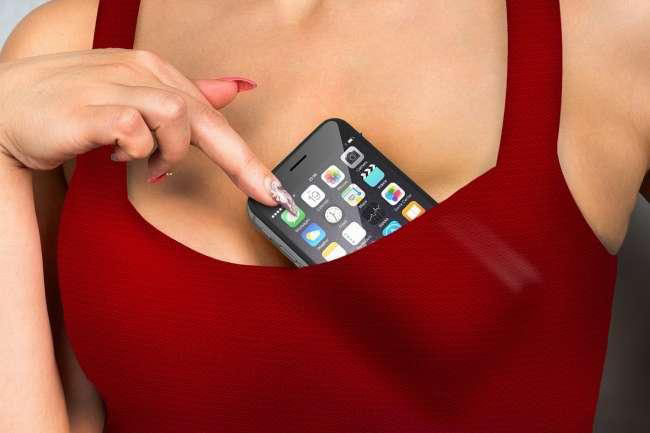
As Ghana observes Breast Cancer Awareness Month this October, a senior oncologist has issued an important health warning to women across the country: stop using your brassiere as a storage space for mobile phones, banknotes and coins.
Mrs. Angela Acquah, Head of the Oncology Unit at Tafo Government Hospital, highlighted the practice during an interview on OTEC News, explaining that what many consider a convenient habit could actually pose significant health risks to breast tissue and overall wellness.
The Radiation Concern
Mrs. Acquah's primary concern centres on mobile phone radiation. When phones are stored directly against breast tissue for extended periods, they expose the delicate area to electromagnetic radiation that could potentially affect cells over time. Whilst she acknowledged that no direct causal link between this practice and breast cancer has been definitively established, the precautionary principle suggests avoiding unnecessary exposure to such radiation sources.
The warning is particularly relevant in Ghana, where many women rely on informal money-keeping methods due to limited access to purses or bags. The convenience of tucking a phone or cash into a brassiere has become commonplace, yet the health implications warrant serious reconsideration.
Infection Risks from Dirty Currency
Beyond radiation concerns, Mrs. Acquah pointed to a second, equally troubling risk: storing dirty banknotes and coins directly against breast skin. Currency is known to harbour germs and bacteria from countless hands and surfaces. The breast area is particularly sensitive and prone to infections, especially when foreign objects containing pathogens are placed in prolonged contact with the skin.
This practice could introduce harmful microorganisms that trigger infections, inflammation, or other breast-related complications. Given Ghana's warm, humid climate, which creates ideal conditions for bacterial growth, the risk becomes even more pronounced.
Why This Matters for Ghana
This warning addresses a deeply ingrained cultural and practical reality in Ghana. With many women lacking access to affordable, reliable bags or secure pockets, brassieres have become an alternative storage solution for essentials. However, prioritising convenience over health could have serious long-term consequences.
The timing of this caution—during Breast Cancer Awareness Month—underscores the importance of preventative health practices. Ghanaian women are increasingly at risk for breast cancer, yet many lack access to early detection services and screening programmes. Taking preventative steps, such as avoiding unnecessary health risks, is therefore crucial.
Mrs. Acquah's recommendation extends beyond simply stopping the practice. She urges Ghanaian women to find safer alternatives for carrying valuables—using proper bags, secure pockets, or designated purses when possible. More importantly, she emphasises the need for women to adopt regular breast self-examinations and schedule routine medical check-ups as part of their standard health regimen.
Moving Forward
The message is clear: short-term convenience is not worth long-term health risks. Women are encouraged to be intentional about protecting their breast health through informed choices about what comes into contact with their bodies. Combined with regular screenings and self-awareness, avoiding these storage practices is a simple yet meaningful step towards better health outcomes.
Source: The Ghana Report




Comments (0)
Be the first to comment.