Haruna Iddrisu pushes for elected MMDCEs to strengthen Ghana's local democracy
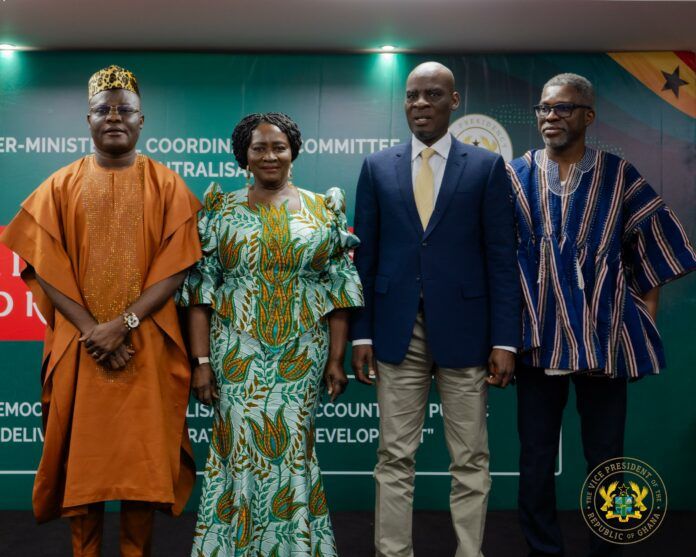
Ghana's Education Minister Haruna Iddrisu has waded into a long-standing debate about local governance, arguing that the country must move toward electing its Metropolitan, Municipal and District Chief Executives if decentralisation is to have real meaning. His intervention adds weight to calls from civil society, development experts and opposition politicians who contend that appointed MMDCEs lack the accountability and legitimacy needed to drive genuine grassroots development.
Iddrisu's position represents a significant statement from the governing party on a reform that remains contentious within government circles. Currently, MMDCEs are appointed by the President and approved by elected assembly members, a system critics say concentrates power at the centre and weakens local democratic institutions.
The case for elected leadership
Proponents of MMDC elections argue that direct election would fundamentally change how local leaders operate. An elected MMDC would be directly answerable to voters rather than the President's office, potentially increasing responsiveness to community needs and making leaders more vigilant in implementing projects that matter to residents. The current appointment system, supporters of reform claim, often results in MMDCEs who prioritise directives from central government over local priorities, creating a disconnect between communities and their administrators.
Ghana's decentralisation framework, established in the 1990s, was intended to devolve power to local levels and empower communities. However, without electoral accountability at the chief executive level, observers note that decentralisation has remained incomplete—a system where local assemblies are elected but their chief executives are not.
Why it matters for Ghana
The debate over MMDC elections touches on fundamental questions about how Ghana deepens democracy beyond periodic presidential and parliamentary polls. With over 260 Metropolitan, Municipal and District Assemblies across the country, the quality of local leadership directly affects service delivery—from education and health infrastructure to water and sanitation. Citizens in communities depend on MMDCEs to champion local projects and hold government resources accountable.
For Ghana's development trajectory, the implications are significant. Elected MMDCEs could create incentive structures that favour completing projects, improving revenue collection at the local level, and building local governments that function as genuine development partners rather than administrative arms of central authority. Countries like South Africa and Tanzania have found that local electoral competition sharpens focus on local priorities and increases financial accountability.
However, opponents within government raise practical concerns: electoral competition at the MMDC level could further fragment political loyalties, complicate coordination between local and national governments, and increase election-related costs. Some worry that partisan politics could overshadow merit-based appointments in selecting capable administrators.
A longer journey ahead
While Iddrisu's call reflects growing momentum for reform, turning it into policy will require constitutional change and broad political consensus. Previous attempts to amend Ghana's decentralisation framework have stalled, partly because sitting presidents have been reluctant to cede appointment powers. The path forward likely depends on whether civil society pressure, backed by statements from senior government figures, can build sufficient political will to revisit this contentious issue in the near term.
Source: 3News


Comments (0)
Be the first to comment.