
Government launches framework to safeguard Kayayei as ministries join forces with UNFPA
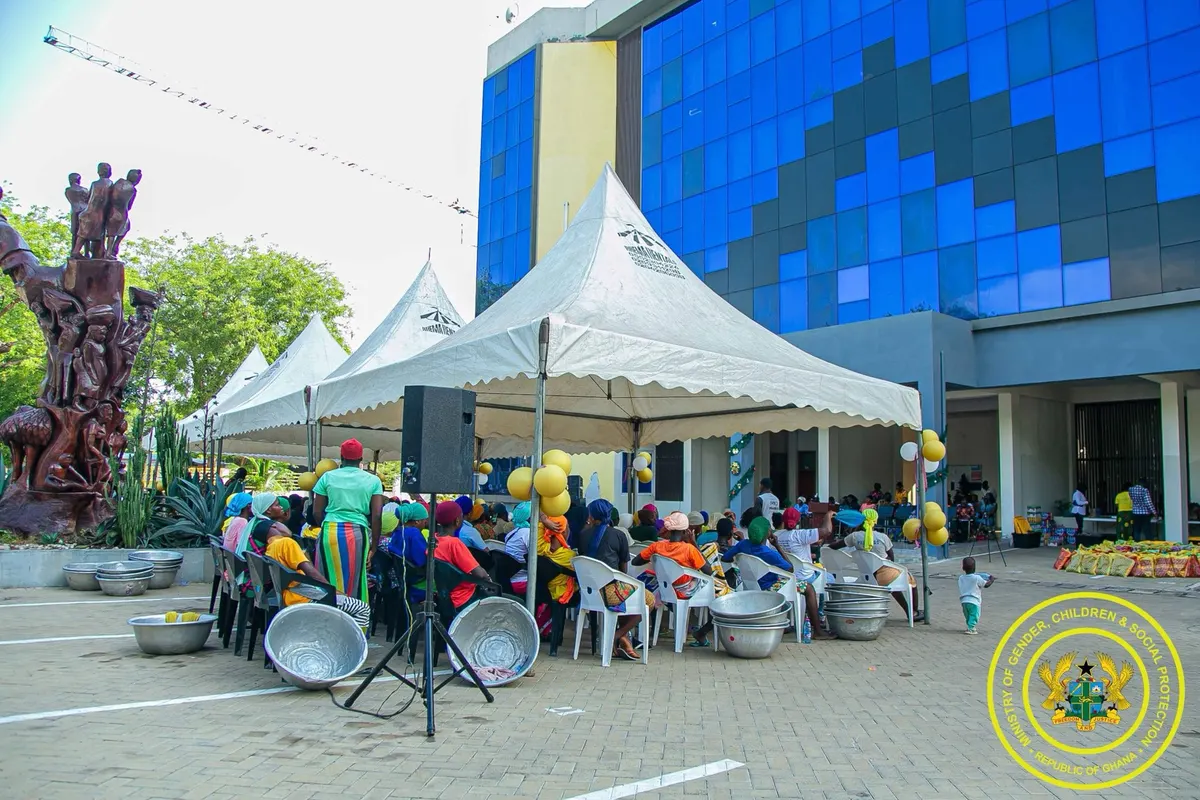

Ghana's Ministry of Gender, Children and Social Protection has taken a significant step towards formalising protections for the country's Kayayei — the largely young, female head porters who carry heavy loads in markets and commercial areas across major cities — by beginning work on a dedicated national framework designed to coordinate support and safeguard their welfare.
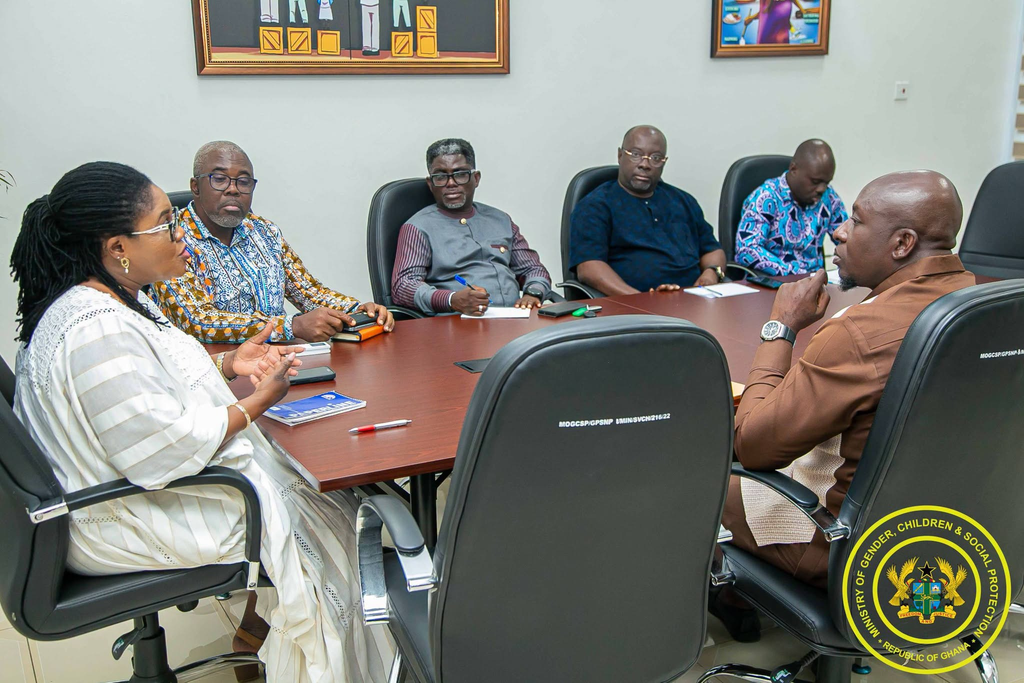
The ministry is working in partnership with the Office of the Vice-President and the United Nations Population Fund (UNFPA) to develop this coordinated response, signalling a broader governmental commitment to addressing the longstanding vulnerabilities faced by this group.
Who are the Kayayei and why do they need protection?
The Kayayei are predominantly young women and girls, many of them migrants from Ghana's Northern, Upper East and Upper West regions, who travel south to cities such as Accra, Kumasi and Takoradi in search of economic opportunity. With few formal qualifications and limited access to capital, head porterage often becomes their only viable means of earning income.
Their situation is widely recognised as precarious. Many Kayayei sleep in makeshift conditions around markets, are exposed to harassment and exploitation, and lack access to healthcare, sanitation and social services. Some are accompanied by young children or infants, raising serious child welfare concerns. Despite their visible presence in Ghana's urban economy, they have historically operated without formal recognition or structured state support.
Civil society organisations and development partners have long called on successive governments to treat the Kayayei not merely as a social welfare concern but as a labour and human rights issue requiring a systematic, policy-driven response.
What this means for Ghana
The development of a national framework is potentially a turning point. Rather than leaving support efforts fragmented across individual NGOs, district assemblies and ad hoc government interventions, a coordinated national policy could establish clear responsibilities, standardise services and unlock dedicated funding streams for this group.
UNFPA's involvement is particularly noteworthy. The agency's mandate centres on reproductive health, gender equality and the empowerment of women and girls — areas directly relevant to the Kayayei, many of whom face risks around early pregnancy, maternal health and gender-based violence. UNFPA's technical expertise and international networks could help Ghana align its framework with proven global best practices.
The Vice-President's Office lending its weight to the initiative also suggests the matter is being treated with political seriousness at the highest levels of the executive. Cross-ministerial coordination has often been cited as a stumbling block in past welfare initiatives, so having a senior office involved in driving collaboration could prove decisive in translating policy into action.
What comes next
While the framework is still in its early development stages, stakeholders and advocates will be watching closely to see whether it addresses the full range of issues affecting Kayayei — including access to skills training, financial inclusion, safe accommodation, healthcare and legal protections against exploitation.
- Meaningful consultation with Kayayei communities themselves will be essential if the framework is to reflect their actual needs rather than assumptions made on their behalf.
- Coordination with the Ministry of Local Government and the relevant metropolitan assemblies, particularly Accra and Kumasi, will be critical given that the challenges are largely urban.
- Sustainable funding arrangements must be built into any framework from the outset to prevent it from remaining a policy document without real-world impact.
Ghana has an opportunity to set a regional example by treating the Kayayei not as a problem to be managed, but as citizens whose economic contribution deserves recognition and whose rights deserve protection. How swiftly and inclusively this framework is developed will be a measure of that commitment.
Source: 3News



Comments (0)
Be the first to comment.