
GHS Boss Warns Health Workers: No Unauthorised Outbreak Announcements


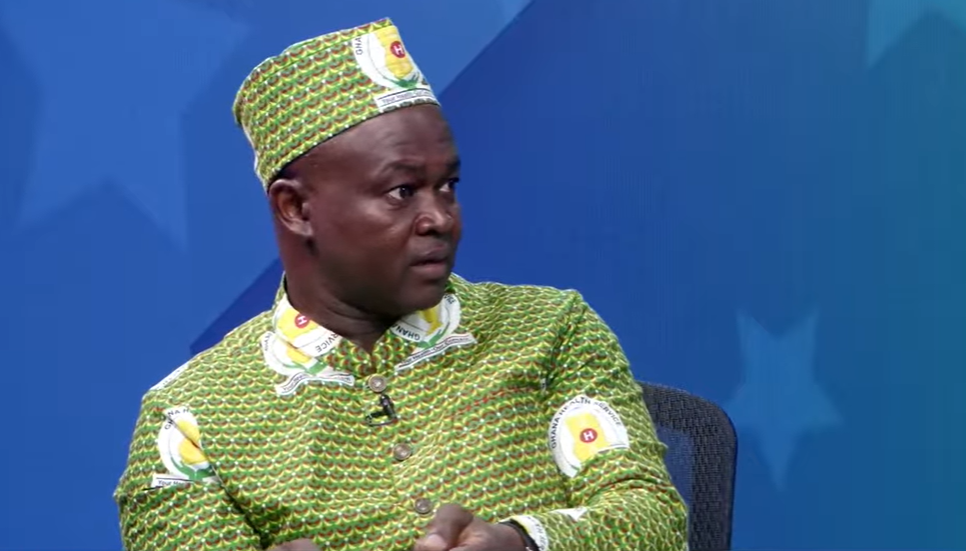
The Director-General of the Ghana Health Service (GHS), Dr Samuel Kaba Akoriyea, has issued a firm warning to health workers across the country, urging them not to publicly announce suspected disease outbreaks before receiving the necessary authorisation and official confirmation from the appropriate authorities.
What was said
Dr Akoriyea's caution comes amid growing concerns about how health information — particularly around suspected outbreaks — is communicated to the public. The GHS chief made clear that announcing unverified outbreak information without going through the proper channels can cause widespread panic, undermine public trust, and compromise the integrity of the country's disease surveillance systems.
Health workers, regardless of their level within the service, are expected to follow established protocols when a suspected outbreak is identified. This typically involves reporting through official internal channels, allowing epidemiologists and public health officials to investigate, verify, and then communicate findings to the public in a structured and responsible manner.
Premature announcements — whether made through social media, to journalists, or through community channels — risk spreading misinformation and creating confusion at a time when calm and accurate communication is most critical.
Why it matters for Ghana
Ghana has faced several disease outbreaks in recent years, including cholera, meningitis, and more recently threats from mpox and other infectious diseases. Each of these events has tested the country's public health communication systems, and in some instances, unofficial or premature announcements have led to public confusion and even unnecessary disruption to communities.
The GHS operates a formal disease surveillance and response framework, and any breakdown in that system — including unauthorised public disclosures — can have serious consequences. When unverified outbreak information reaches the public prematurely, it can trigger panic buying of medications, stigmatisation of affected communities, and a loss of confidence in official health institutions.
Beyond public panic, unauthorised announcements can also hamper investigative efforts. When news of a suspected outbreak spreads before officials have had time to investigate, it can make it harder to gather accurate data, trace contacts, and contain the spread of disease effectively.
There is also a diplomatic and international dimension. Ghana is required to notify the World Health Organisation (WHO) of certain public health events under the International Health Regulations. Unofficial or premature announcements can complicate that process and affect how Ghana is perceived internationally in terms of its disease management capacity.
What health workers should do instead
The GHS Director-General's message is not about suppressing vital health information — it is about ensuring that information is accurate before it reaches the public. Health workers who suspect an outbreak are strongly encouraged to:
- Report immediately through official internal GHS channels and to their facility heads
- Avoid sharing unverified information on personal social media accounts or with media outlets
- Allow the GHS epidemiology and disease surveillance teams to conduct proper investigations
- Trust that the service will communicate verified findings to the public promptly and responsibly
Dr Akoriyea's directive serves as a timely reminder that responsible health communication is as important as the clinical response to any outbreak. In an era of instant social media sharing and widespread access to digital platforms, the temptation to share alarming health news quickly is understandable — but the consequences of doing so prematurely can be severe.
Ghanaians are encouraged to rely on official GHS communications, the Ministry of Health, and reputable media outlets for verified health information, rather than unconfirmed reports circulating on social media or messaging platforms.
Source: 3News



Comments (0)
Be the first to comment.