Ghana's World Cup gap: minister cites years of team-building deficit against established rivals
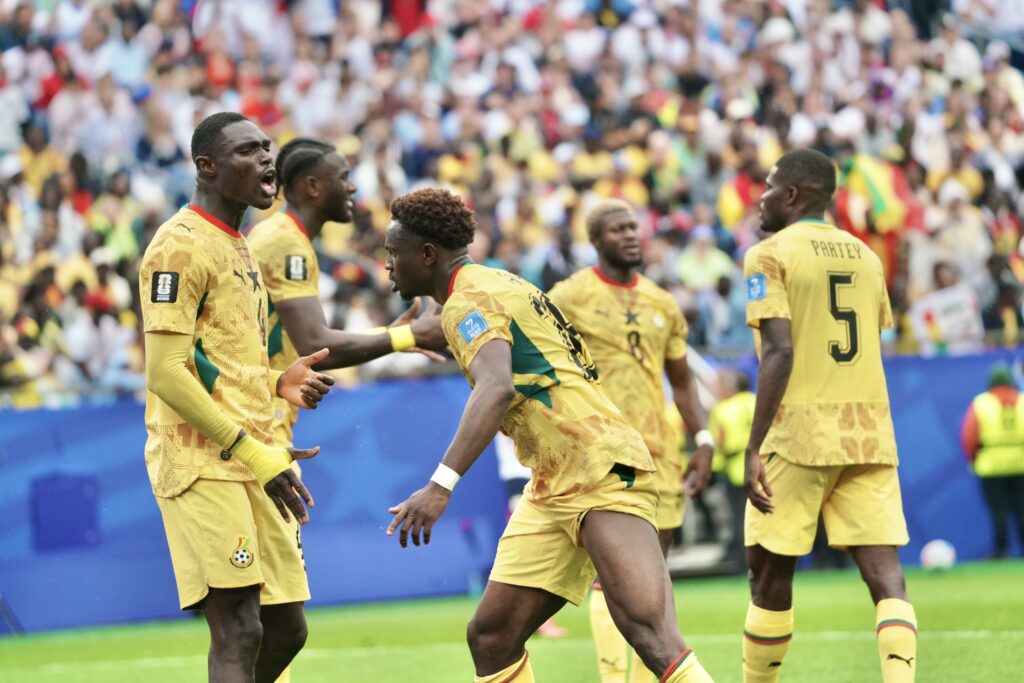
Sports Minister Kofi Adams has offered a candid assessment of Ghana's World Cup performance, pinpointing the significant disparity in team preparation and player familiarity as key factors behind the Black Stars' struggles in the tournament.
Speaking on Joy News' PM Express, Mr Adams explained that Ghana faced opponents who had invested years in building cohesive squads with deep understanding among players. Many competing nations arrived with players who had shared extended time together both at club level and within their national setups, creating an advantage Ghana could not easily replicate.
The preparation gap
Adams emphasised that the difference lay not merely in individual talent but in collective coordination. Teams Ghana encountered had management structures in place for longer periods, allowing players to develop instinctive understanding of each other's movements and positioning. This familiarity enabled seamless transitions between defence, midfield and attack, with players anticipating teammates' actions without verbal instruction.
"Any team that may have all its facets, whether it is his defence, his midfield, or the upfront, the trust upfront being so solid and so coordinated, and they understood each other," Adams noted. He highlighted how elite teams displayed a level of synchronisation where one player's movement naturally triggered coordinated runs from teammates into dangerous spaces—a sophistication Ghana struggled to match during the tournament.
Bright spots and controversial moments
Despite the overall challenges, Adams highlighted Ghana's opening victory over Panama as evidence the team could compete. Panama entered believing they could claim three points against the Black Stars, yet Ghana secured the win. The minister also praised Ghana's defensive display against England, describing how the team frustrated one of the tournament's favourites by systematically blocking their attacking movements.
Adams referenced controversial refereeing decisions that he felt disadvantaged Ghana in the England match. He cited a clear penalty appeal that was not awarded and suggested an English player should have received a red card for a separate incident. These moments, he argued, could have altered the trajectory of Ghana's group-stage campaign.
Why it matters for Ghana
Adams' analysis reflects a broader reality facing Ghanaian football: the widening gap between nations with stable, long-term footballing structures and those relying on periodic tournament preparation. While Ghana boasts individual talent, the lack of consistent squad stability—driven by player movement between leagues and coaching changes—prevents the development of the deep understanding that modern elite football demands.
This assessment carries implications for future tournaments. Building a competitive World Cup team requires more than talent identification; it demands sustained investment in player development, coaching continuity and strategic planning across multiple years. Ghana's experience suggests that without institutional commitment to long-term team building, the Black Stars will continue facing well-drilled opponents prepared far in advance.
The minister's comments underscore the importance of Ghana's domestic league stability and youth development infrastructure as foundations for future international success. Quick fixes through recruitment alone cannot replicate years of collective development, making systemic improvements in local football crucial to Ghana's competitive future on the world stage.
Source: MyJoyOnline
-1.jpg)
.jpg)
Comments (0)
Be the first to comment.