Ghana's VRA chief urges African utilities to embrace nuclear alongside renewables

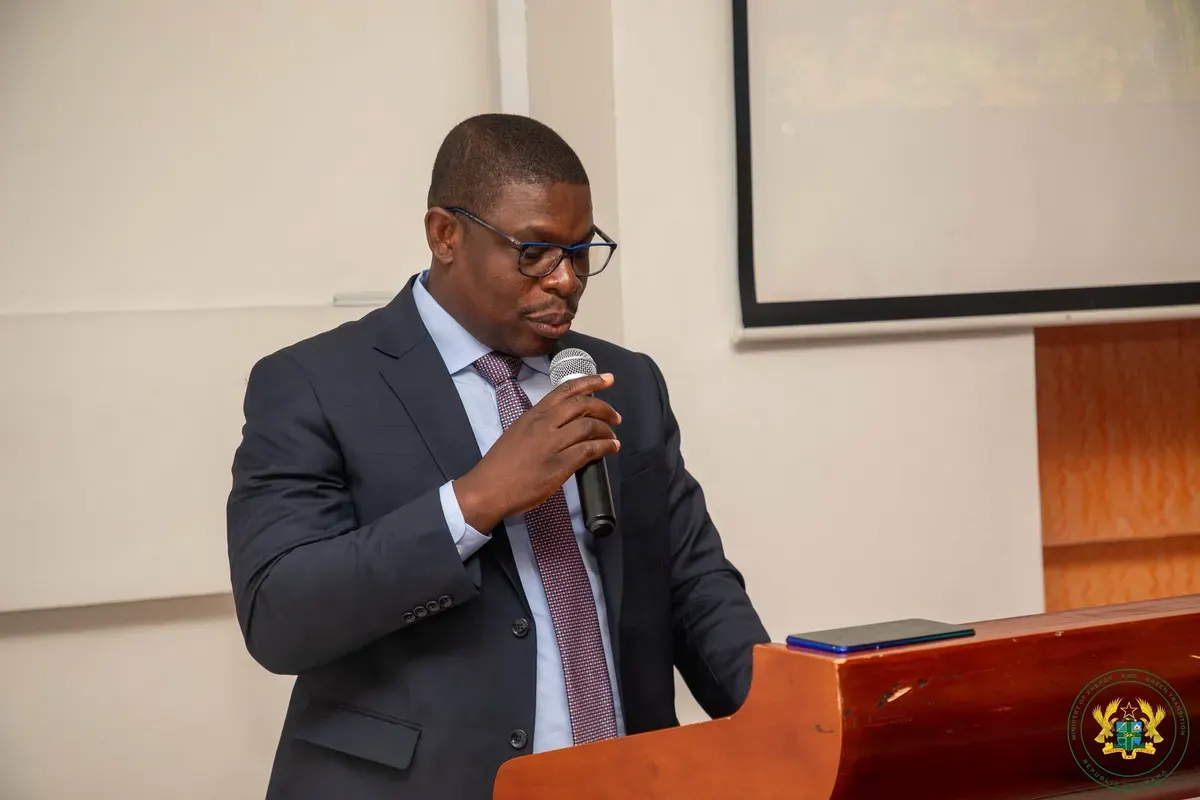
The Chief Executive Officer of Ghana's Volta River Authority (VRA), Ing. Obeng-Kenzo, has called on African power utilities to seriously consider nuclear energy as part of their energy mix, rejecting the false choice between nuclear and renewable sources.
Speaking on the continent's power generation strategy, Obeng-Kenzo emphasised that Africa should view nuclear and renewable energy as complementary rather than competing technologies. This perspective addresses a fundamental challenge facing the continent: meeting rapidly growing electricity demand whilst transitioning away from fossil fuels.
Why it matters for Ghana
Ghana faces mounting pressure to increase electricity generation as the economy grows and industrial demand expands. The nation currently relies on a mix of hydroelectric power (from facilities like Akosombo Dam), thermal generation, and increasingly, solar installations. However, the VRA's call for nuclear exploration is significant because it signals a shift in how Ghana and the broader region think about energy security.
As a signatory to various continental and global climate commitments, Ghana must balance environmental goals with practical energy needs. Nuclear energy offers baseload power—consistent, round-the-clock generation—that renewables alone cannot reliably provide without massive battery storage infrastructure. For a growing West African economy, this reliability is crucial for industrial competitiveness and population needs.
The VRA CEO's position also reflects broader African discussions at energy forums where nations like South Africa, Nigeria, and Egypt have explored or pursued nuclear programmes. Ghana has not yet developed a commercial nuclear facility, though the topic has been debated among policymakers and energy experts for years.
The nuclear-renewable partnership model
Obeng-Kenzo's framing addresses a common misconception that choosing nuclear means abandoning renewables. In reality, many energy experts argue that Africa's most effective strategy involves a layered approach:
- Solar and wind provide clean, fast-to-deploy renewable capacity with falling costs
- Hydroelectric power offers flexible, storage-enabled generation (as Ghana already has)
- Nuclear provides stable, high-capacity baseload power with minimal carbon emissions
- Smart grids and battery storage tie these sources together efficiently
This integrated model has been adopted in countries like France, where nuclear supplies baseload power while renewables handle variable demand. For African utilities, the combination could theoretically offer energy security without the carbon footprint of coal or gas.
Challenges and the path forward
However, nuclear energy in Africa faces real obstacles. Capital costs for nuclear plants are extraordinarily high, requiring upfront investments of billions of dollars. There are also regulatory, safety, and skills gaps across the continent. Ghana would need to develop robust nuclear regulatory frameworks, train specialised personnel, and secure international partnerships.
Nonetheless, Obeng-Kenzo's remarks signal that serious energy leaders in Ghana are thinking long-term about the continent's power future. Whether Ghana pursues nuclear in the near term or not, the conversation reflects a maturation of African energy strategy—moving beyond ideological positions toward pragmatic, mixed-source solutions that can actually power growing economies.
For Ghanaians concerned about power reliability, cost-effective electricity, and climate responsibility, the VRA's exploration of all viable options, including nuclear, represents a forward-looking approach to one of the nation's most pressing infrastructure challenges.
Source: 3News

Comments (0)
Be the first to comment.