Ghana's Security Chief Calls on Media to Guard Against Amplifying Armed Group Propaganda
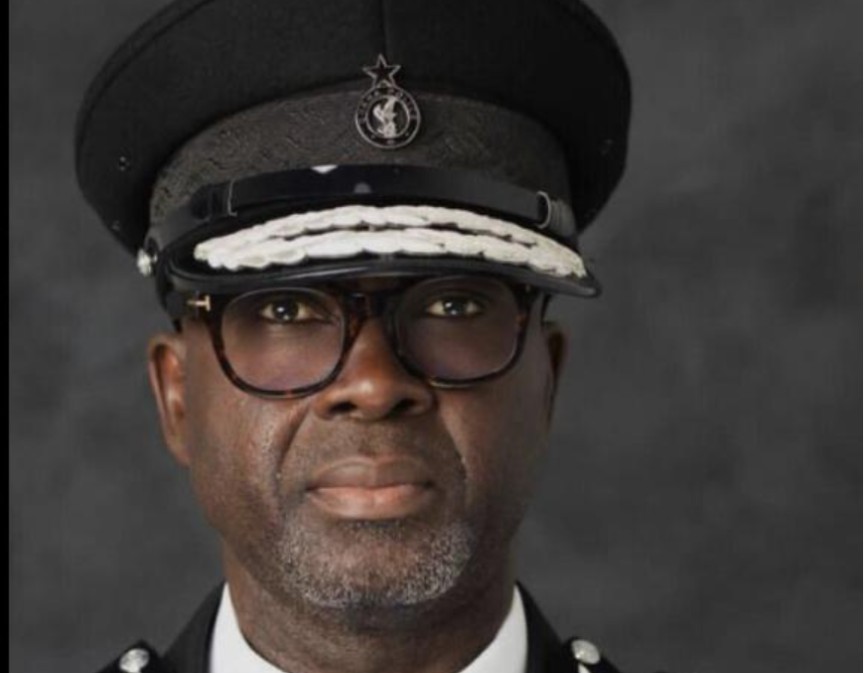
Ghana's National Security Coordinator has issued a fresh appeal to the country's media fraternity, urging journalists to maintain strict professional neutrality whilst being cautious not to inadvertently serve the interests of armed groups operating outside state control.
The call underscores growing concern within government circles about the intersection of national security and media responsibility in an era when extremist organisations and militia groups actively seek international attention through violent acts and propaganda campaigns.
The Media's Responsibility in Security Matters
The security official's remarks highlight a fundamental tension in modern journalism: the public's right to information versus the risk that extensive coverage of non-state armed groups can amplify their messaging and recruitment efforts. This is particularly acute in West Africa, where organisations linked to regional insurgencies have increasingly used media exposure to project power and attract adherents.
Professional neutrality in journalism does not mean treating all actors equally in matters of national security. Responsible reporting requires distinguishing between legitimate news coverage and inadvertent propaganda amplification. The challenge lies in reporting credibly on security threats whilst avoiding narratives that serve the strategic interests of armed groups seeking notoriety.
Why It Matters for Ghana
Ghana has largely maintained relative stability compared to some neighbouring West African nations, but the country is not immune to security threats. The Sahel region's instability has periodically spilled across borders, and non-state armed groups have tested Ghanaian territorial integrity. In this context, media discipline becomes a genuine national security consideration.
When armed groups receive disproportionate media attention, several consequences follow: recruitment becomes easier, their perceived strength grows in public perception, and they gain diplomatic leverage through fear. Conversely, responsible media coverage that contextualises incidents without sensationalising actors can help deny these groups the oxygen of publicity they desperately seek.
Ghana's media landscape is comparatively robust and free within the West African context. The challenge now is ensuring that freedom is exercised with the maturity that national security circumstances demand, particularly as threats evolve and become more sophisticated in their use of information warfare.
Moving Forward: Balance and Professionalism
The security coordinator's appeal is not a call for censorship or state control of the media. Rather, it represents an invitation for media leadership and journalism associations to engage in serious reflection about ethical guidelines for reporting on armed groups and security matters. Many international newsrooms operate under such guidelines precisely to avoid becoming unwitting tools of extremist propaganda.
Key considerations for Ghanaian journalists should include:
- Verifying claims independently rather than amplifying unconfirmed statements from armed groups
- Contextualising incidents within broader security and political realities rather than treating them as isolated phenomena worthy of spectacular coverage
- Consulting security expertise and academic analysis to provide informed perspective
- Distinguishing between reporting on security threats and providing a platform for direct messaging from non-state actors
The path forward requires both state and media to act in good faith. Government must resist the temptation to weaponise such appeals to suppress legitimate critical journalism, whilst media must demonstrate the professionalism and institutional discipline to police its own ranks against irresponsible coverage that serves actors hostile to Ghana's security interests.
Source: 3News


Comments (0)
Be the first to comment.