
Ghana's Queen Mothers push for greater voice in chieftaincy disputes and governance


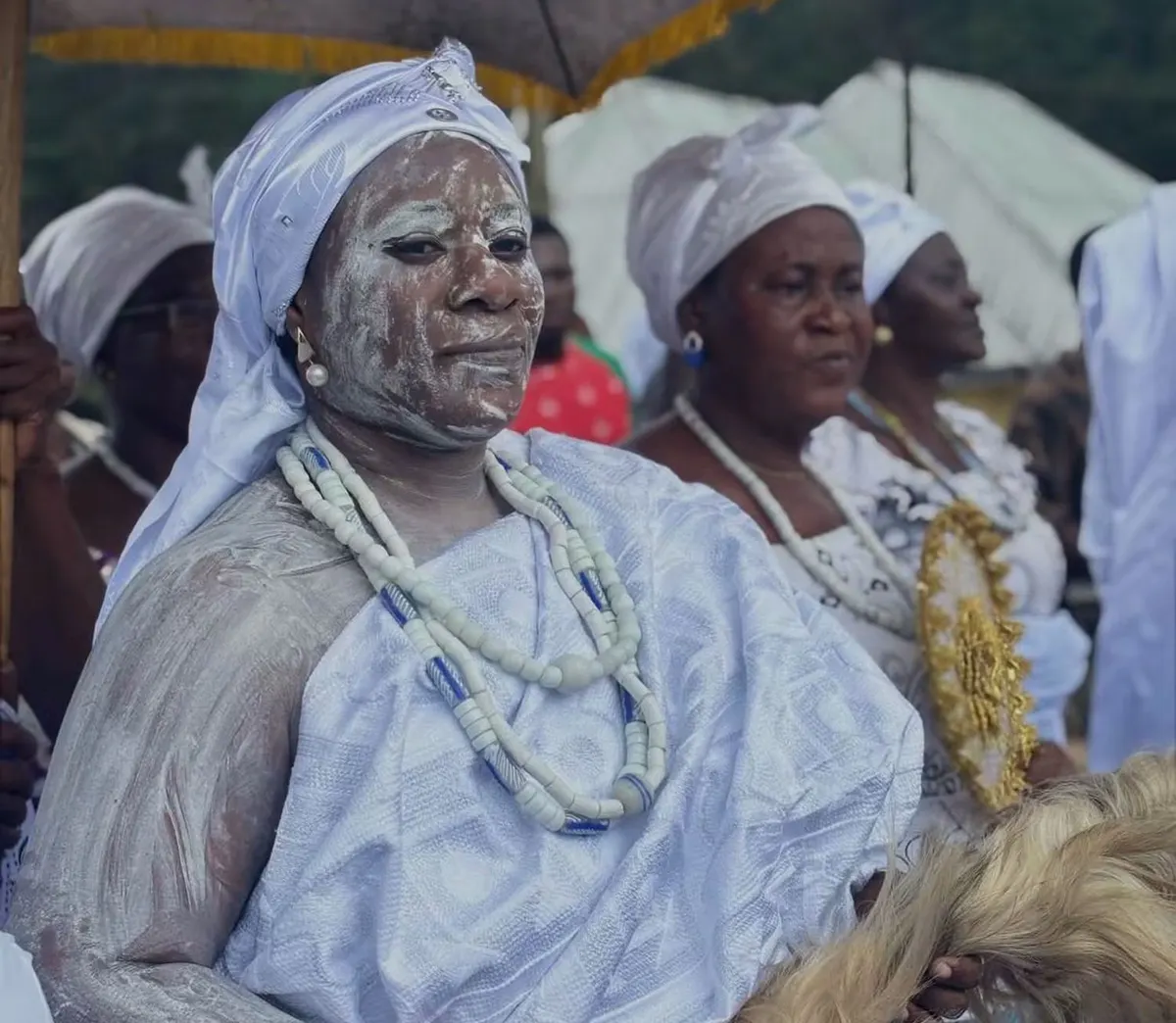
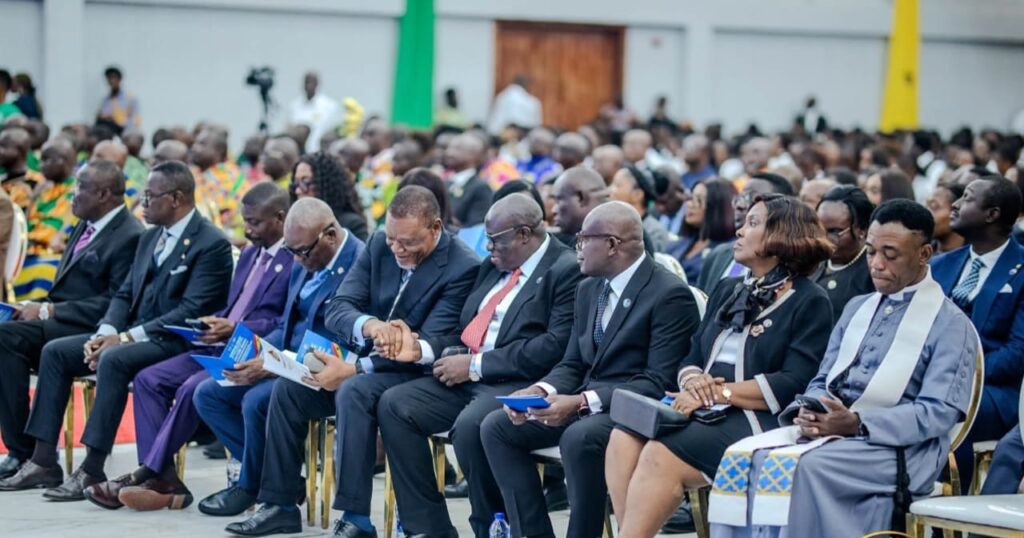
Queen Mothers in Ghana are mounting a fresh push for meaningful inclusion in chieftaincy governance and decision-making processes, particularly in disputes over succession and traditional authority. The call, articulated at a gathering of traditional leaders, represents a significant moment for gender representation within Ghana's customary institutions, which have historically remained male-dominated.
At the centre of the movement is recognition that Queen Mothers possess deep cultural knowledge and community trust that remain underutilised in resolving chieftaincy conflicts. Many communities depend on their informal counsel, yet they hold no formal seat at the table when major decisions are made. This gap has contributed to prolonged disputes that destabilise communities and leave families divided.
Why empowering Queen Mothers matters for Ghana
Ghana's chieftaincy system underpins local governance across the country, influencing everything from land allocation to dispute resolution. The absence of Queen Mothers from formal decision-making structures weakens these institutions. King Professor Welentsi, speaking at the gathering, emphasised that empowering Queen Mothers transcends simple gender equality—it is fundamentally about strengthening governance. When half the community's wisdom is excluded, governance becomes weaker, not stronger.
This issue has immediate practical implications. Many chieftaincy disputes drag on for years, sometimes decades, creating uncertainty over land rights, succession legitimacy, and community leadership. Communities with fractured traditional authority often experience spillover effects into education, health services and economic development. Queen Mothers, as custodians of royal lineage and cultural memory, are uniquely positioned to mediate these conflicts in ways that align with community values and customary law.
The current reality and barriers
Despite their influence, Queen Mothers typically lack formal authority in chieftaincy councils and dispute resolution mechanisms. Their roles remain largely ceremonial or advisory, dependent on individual chiefs' willingness to consult them. This creates inconsistency across regions and leaves communities uncertain whether their Queen Mother will have a genuine voice in critical decisions affecting the stool.
The push for formal inclusion faces resistance rooted in tradition—some argue that formalising Queen Mother roles would undermine customary practice. However, supporters counter that customary practice has always been adaptive; recognising Queen Mothers formally does not disrupt tradition but rather restores their historical authority, which colonial and post-colonial administrative changes gradually eroded.
What comes next
For this push to succeed, several steps are needed. First, the National House of Chiefs and regional chieftaincy councils should establish clear protocols for Queen Mother participation in decision-making bodies. Second, local communities and paramount chiefs must be engaged to build consensus around formalised roles. Third, government should ensure that any reforms to chieftaincy governance structures—such as those overseen by the Office of the Attorney General—specifically codify Queen Mother inclusion.
The movement also highlights broader questions about how Ghana's chieftaincy system evolves. Younger Ghanaians, both men and women, increasingly expect their traditional institutions to reflect modern principles of representation and accountability. Formalising Queen Mother roles signals that Ghana's chieftaincy is willing to reform while maintaining its cultural integrity.
This is not merely symbolic. Effective inclusion of Queen Mothers in chieftaincy disputes could reduce litigation, accelerate conflict resolution, and restore public confidence in traditional authority at a time when that confidence is critical to Ghana's social stability.
Source: 3News



Comments (0)
Be the first to comment.