Ghana's Northern Heritage Takes Centre Stage at Lesotho Tourism Summit

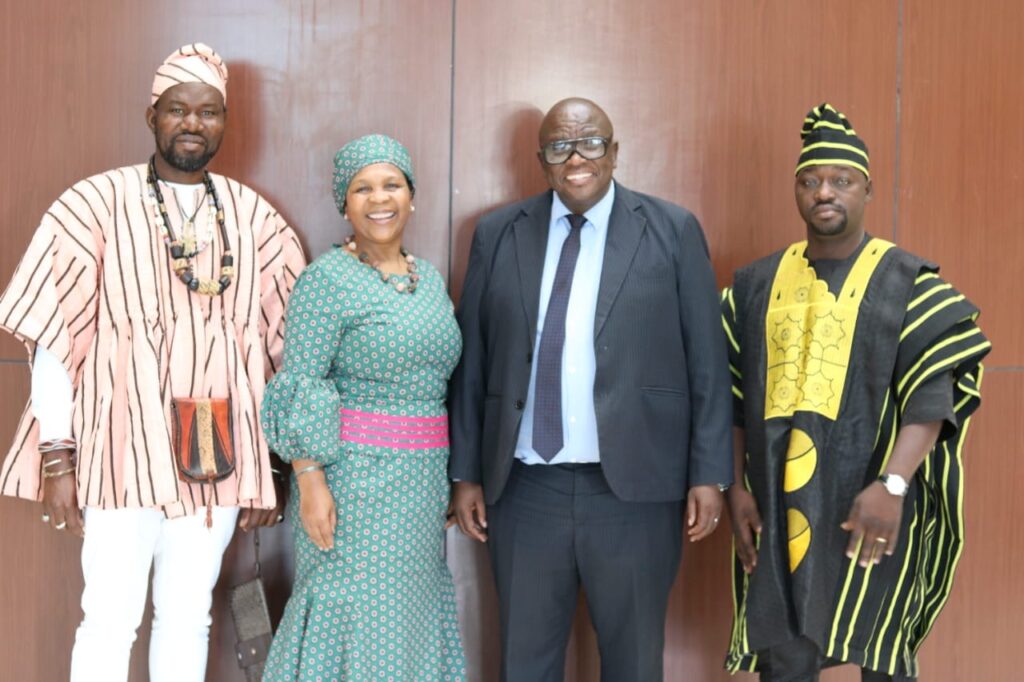
Ghana's cultural heritage received prominent international recognition this week when a delegation presented the traditional Northern Ghanaian smock at the Lesotho Tourism Pitso, a significant continental platform bringing together tourism stakeholders and cultural ambassadors from across Africa. The showcase underscores Ghana's commitment to leveraging its rich artistic traditions as a cornerstone of its tourism strategy and cultural diplomacy efforts on the continent.
The Northern smock, known locally as a fugu or gurado, represents one of West Africa's most distinctive textile traditions. Hand-woven by craftspeople primarily in the Upper East and Upper West regions, these garments showcase intricate geometric patterns and vibrant colours that reflect centuries of Ghanaian weaving expertise. The decision to feature this artefact at an international tourism summit signals the government's broader push to position Ghana's diverse cultural offerings as attractions capable of drawing international visitors and generating economic benefits for local artisans and communities.
Tourism and Economic Opportunity
Ghana's tourism sector has increasingly focused on cultural and heritage tourism as a growth avenue. The Northern smock demonstration at the Lesotho summit serves multiple strategic purposes: it raises awareness of Ghana's textile heritage among tourism operators and ministers across the continent, creates networking opportunities for Ghanaian cultural entrepreneurs, and positions the country as a destination for visitors interested in authentic African craftsmanship. Such international platforms allow Ghana to differentiate itself in a competitive tourism marketplace by emphasising genuine, community-rooted cultural experiences rather than generic offerings.
The showcase also reflects a growing recognition that supporting traditional crafts generates sustainable livelihoods in Ghana's northern regions, where economic opportunities remain limited. When international tourists and cultural institutions develop interest in these textiles, demand increases, encouraging younger generations to maintain weaving traditions and supporting master craftspeople.
Why It Matters for Ghana
The Lesotho Tourism Pitso represents a critical venue for regional collaboration and soft diplomacy. By actively participating and showcasing cultural assets, Ghana strengthens its standing within the African tourism community and builds relationships with counterparts in other nations. Such gatherings often lead to reciprocal tourism promotions, cross-border cultural initiatives, and partnerships that benefit multiple countries.
For Ghana specifically, this engagement aligns with the government's broader cultural preservation agenda and tourism diversification goals. Northern Ghana, in particular, stands to benefit from increased cultural tourism interest, which can complement other attractions like natural reserves and historical sites. The Northern smock is more than a garment—it represents the creativity, skill, and identity of Northern Ghanaian communities, and international recognition validates the importance of protecting and promoting such heritage.
The delegation's participation also demonstrates Ghana's proactive role in shaping African narratives around culture and tourism, rather than remaining passive. By taking centre stage at continental forums, Ghana helps ensure that African voices and African traditions receive appropriate prominence in global cultural and tourism conversations.
The showcase at the Lesotho Tourism Pitso is expected to open pathways for future collaborations, potential exhibitions, and increased visitor interest in Ghana's textile heritage, particularly in Northern regions where traditional weaving remains an important cultural and economic practice.
Source: 3News



Comments (0)
Be the first to comment.