
Ghana's Nkoko Nkitinkiti Scheme Aims to Slash Poultry Imports and Revive Backyard Farming

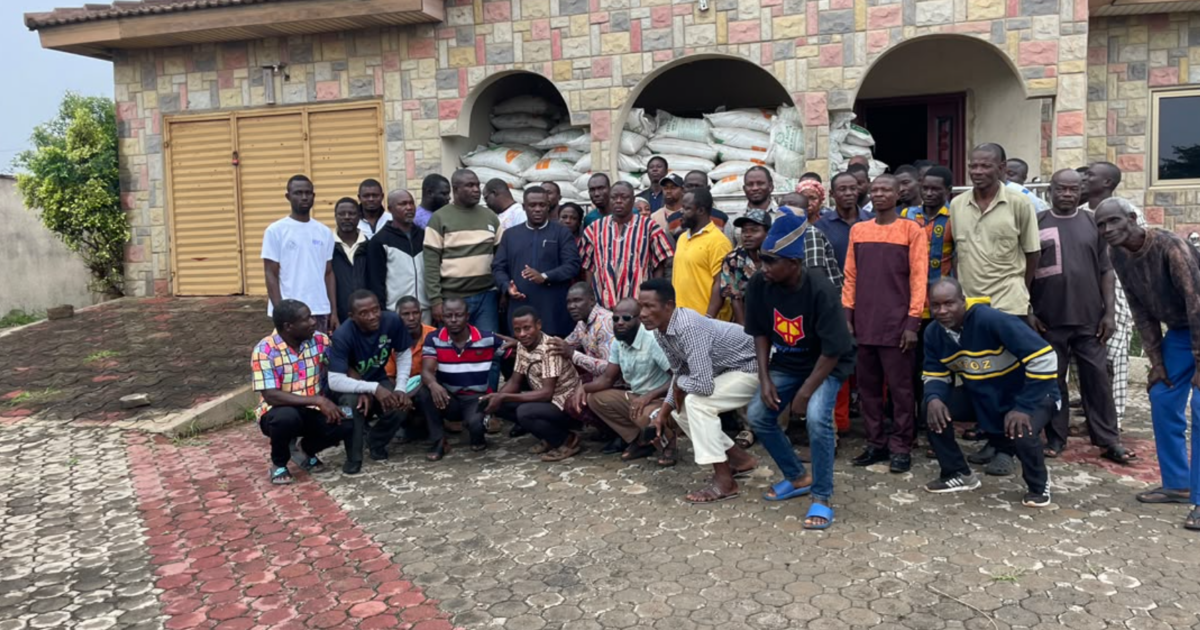
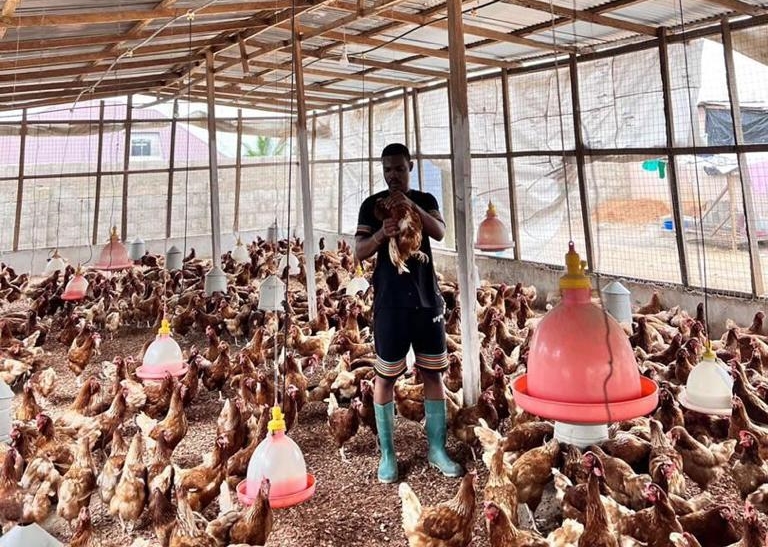
Ghana is rolling out an ambitious poultry revolution through the Nkoko Nkitinkiti initiative, a government-backed scheme designed to wean the country off imported chicken and put more birds—and income—into the hands of local farmers. The programme, overseen by the Feed Ghana initiative, has already distributed 2.5 million birds to backyard producers and vulnerable households across eleven regions, according to Bright Demordzi, National Coordinator of the Feed Ghana Programme.
The initiative represents a significant shift in agricultural policy, targeting what officials see as a critical gap in Ghana's food security and foreign exchange management. By revitalising backyard poultry farming—a practice that has declined sharply in recent decades—the government hopes to create jobs, strengthen household incomes and reduce the billions of cedis spent annually importing poultry products.
Why it matters for Ghana
Ghana's growing appetite for chicken has created a growing import bill, draining foreign reserves that could be deployed elsewhere in the economy. By encouraging Ghanaians to rear poultry at household level, the Nkoko Nkitinkiti scheme addresses both food security and macroeconomic concerns. Demordzi emphasised that backyard farming—once a staple of Ghanaian rural and urban life—has collapsed over time, leaving a vacuum that imported meat has rushed to fill.
The programme is particularly significant for rural communities and low-income households. Approximately 4,000 families have already benefited through targeted support, while broader distribution in eight regions has seen 10,000 birds allocated per region. For smallholder farmers, poultry represents a relatively low-cost entry point into commercial agriculture, with faster returns than crops like maize or cassava.
Beyond household food security, the scheme taps into Ghana's underutilised labour force. Young people and unemployed adults could potentially earn income through poultry rearing, addressing both agricultural productivity and youth employment—twin challenges flagged repeatedly by policymakers.
Implementation and scale
Distribution is underway across the country, with the 2.5 million birds already placed representing a substantial logistical and financial commitment. The programme encompasses both backyard producers—informal, small-scale rearers—and organised farming groups, creating a tiered approach to domestic production.
Success will depend on several factors: access to affordable feed, veterinary services, market linkages and sustained political commitment. Backyard poultry, while labour-light, requires reliable inputs and technical support to thrive. The scheme's integration with broader Feed Ghana objectives suggests an attempt to create a holistic ecosystem for local food production, rather than a one-off bird distribution.
The bigger picture
Nkoko Nkitinkiti fits into a global trend of import-substitution agriculture, where developing nations attempt to reduce reliance on external food supplies. For Ghana, where poultry imports compete with local producers and drain limited foreign exchange, the logic is sound. However, the scheme's long-term impact will hinge on whether beneficiaries receive ongoing support—including training, market access and affordable inputs—rather than one-time bird distributions.
The initiative also signals government recognition that food security cannot rest solely with large commercial farms. Decentralised, household-level production has historically been Ghana's food security backbone, and reviving it could strengthen resilience against supply shocks and economic volatility.
Source: MyJoyOnline


Comments (0)
Be the first to comment.