
Ghana's Mobile Data Prices Drop Sharply as Government Negotiations with Telecom Giants Bear Fruit
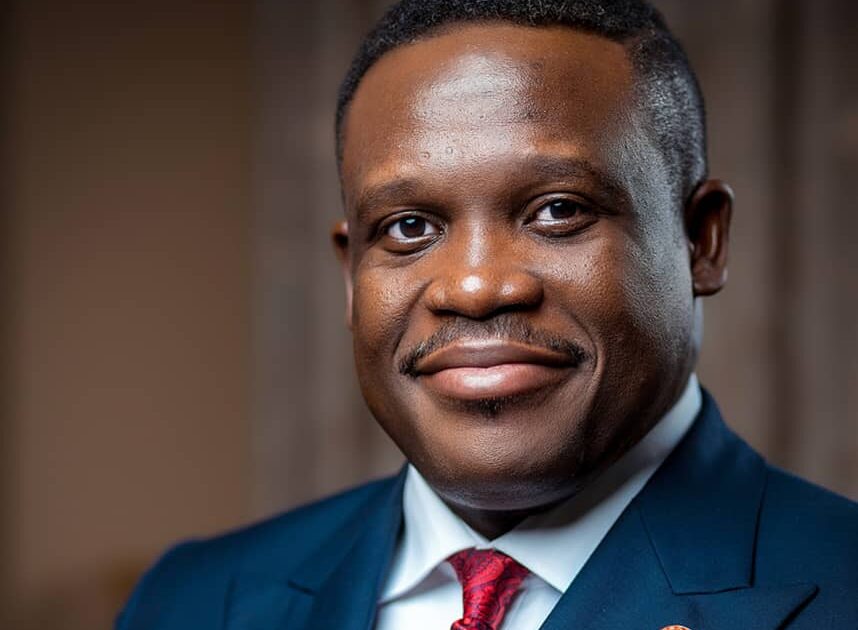

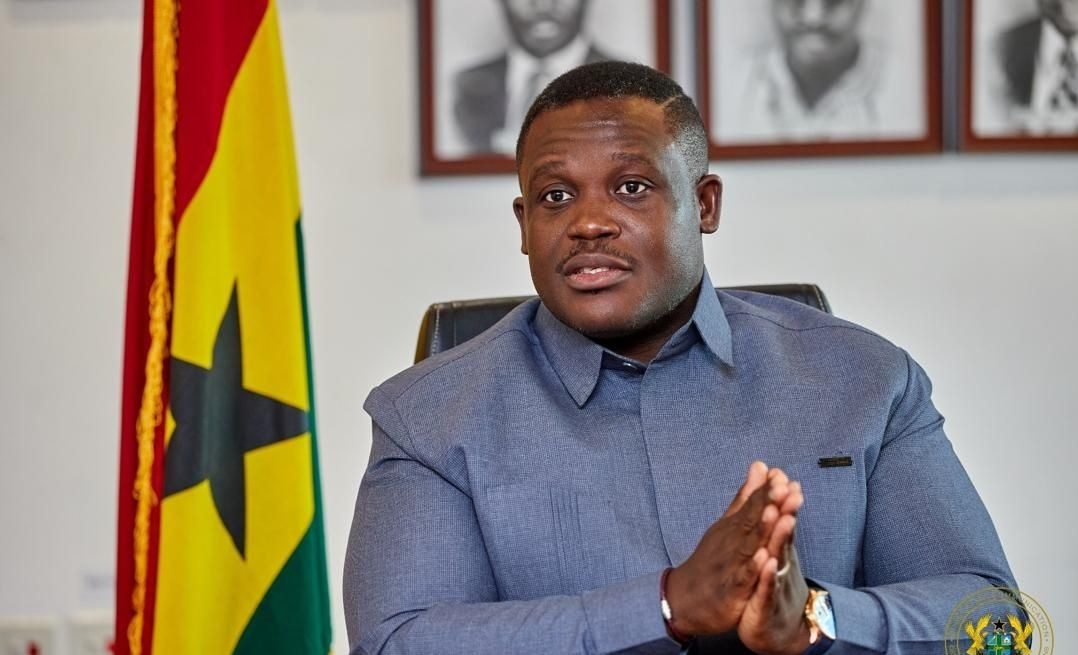
Ghanaian consumers are paying less for mobile data and broadband services following a series of negotiations between the government and major telecommunications operators, Communications Minister Samuel Nartey George announced on Monday at the Government Accountability Series at the Jubilee House.
The improvements represent a significant shift in how the Ministry of Communications is engaging with the sector, with George emphasising that the government is now negotiating directly on behalf of consumers rather than operators. The results have been tangible: MTN has increased data volumes by 15 per cent across its bundles, whilst Airtel and Telecel have raised theirs by 10 per cent, meaning Ghanaians receive considerably more data for every cedi spent.
The most dramatic changes have come in the fixed broadband space. MTN slashed its fibre broadband prices by 70 per cent, reducing its 800 Mbps unlimited package from GH¢987 to GH¢299 monthly—a saving of nearly GH¢600 per month. The operator has also introduced new 300 Mbps and 500 Mbps tiers to serve households and businesses with varying connectivity needs. Telecel similarly revised its fixed-data pricing earlier in the year, delivering what George described as "remarkable reductions" for its customer base.
Why It Matters for Ghana
The price reductions come at a critical time for Ghana's digital economy. As more businesses, schools, and government services move online, affordable connectivity has become essential infrastructure. For families already stretched by cost-of-living pressures, lower mobile data bills directly improve household budgets. For small businesses and entrepreneurs relying on digital platforms to reach customers, fibre broadband at a fraction of previous costs opens new commercial possibilities.
George's emphasis on this being a "return of a ministry that understands this industry from the inside" signals a policy reorientation. For nearly a decade, he argued, Ghana's regulatory framework failed to adapt as the telecommunications market shifted from voice-driven to data-driven. Mobile operators invested minimally in infrastructure to match this demand, creating the network congestion and coverage gaps many Ghanaians continue to experience. The current government is attempting to correct this legacy through direct ministerial engagement and action by the sector regulator.
Challenges Remain Despite Progress
George was candid about ongoing constraints. Network quality, coverage gaps, and congestion in densely populated areas persist, and the minister acknowledged these cannot be resolved overnight. A decade of underinvestment and policy neglect cannot be reversed in a single year. However, the government has committed to expanding connectivity and digital infrastructure through the regulator, recognising that Ghana's broader digital ambitions—from e-governance to digital commerce—are impossible without reliable, affordable connectivity.
The negotiations demonstrate a pragmatic approach: whilst long-term infrastructure improvements require sustained investment and regulatory enforcement, immediate relief for consumers can come through direct engagement with operators. Whether these price improvements persist and drive deeper operator investment in network quality will be closely watched by both consumers and the business community.
Source: MyJoyOnline



Comments (0)
Be the first to comment.