
Ghana's Heavy Reliance on Imported Textiles Is Actually a Golden Opportunity for Local Producers, Expert Says


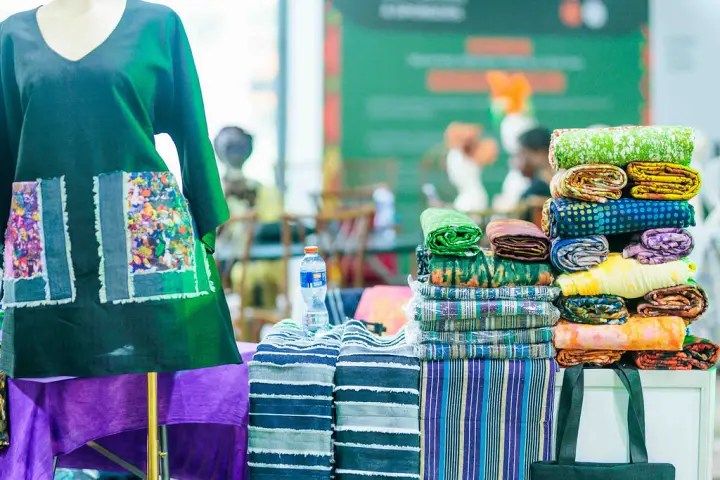
Ghana imports approximately 70% of the textiles consumed domestically, a figure that might appear alarming at first glance — but one industry expert believes this statistic tells a different story. Rather than viewing the import dominance as a sign of local industry failure, she argues it represents a significant, largely untapped opportunity for Ghanaian textile producers, garment manufacturers and fashion designers ready to scale up and compete.
A market waiting to be claimed
The logic is straightforward: if seven out of every ten garments or fabric rolls sold in Ghana originated outside the country, then local producers have an enormous domestic market share left to capture — without even looking beyond Ghana's borders. The expert's position is that this gap should motivate entrepreneurs and established manufacturers alike to invest in expanding production capacity, improving quality and making locally made textiles more competitively priced.
Ghana's fashion and textile sector has long grappled with challenges including the high cost of raw materials, unreliable energy supply, competition from cheaper Asian imports, and limited access to affordable financing. These hurdles have historically made it difficult for local producers to match the price points of imported fabrics, particularly those arriving from China, India and other manufacturing powerhouses. Yet demand for fabric and clothing within Ghana continues to grow alongside a rising urban population and an expanding middle class.
Why it matters for Ghana
The textile and garment industry has historically been one of Ghana's most important manufacturing sectors. At its peak, companies such as Ghana Textile Printing (GTP), Printex and Akosombo Textiles Limited (ATL) employed tens of thousands of workers and produced iconic printed fabrics worn across West Africa. The gradual decline of these giants — driven largely by import competition and the influx of second-hand clothing — led to significant job losses and reduced industrial output over the past few decades.
Revitalising this sector carries implications far beyond the factory floor. A stronger local textile industry would support cotton farmers in the northern regions of Ghana, create manufacturing jobs for young people, reduce the country's import bill and help stabilise the cedi by cutting foreign exchange spending on goods that could be produced at home. It would also strengthen Ghana's hand in regional trade under the African Continental Free Trade Area (AfCFTA), which is headquartered in Accra and positions the continent as a single manufacturing and trading bloc.
Government initiatives such as the 'Ghana Beyond Aid' agenda and various industrial development programmes have pointed to manufacturing as a priority, and the textile sector fits squarely within that vision. Access to dedicated financing schemes, targeted import tariffs and investment in modern machinery could help tilt the playing field in favour of local producers.
What local producers and designers can do
For fashion designers and smaller garment makers, the expert's message is equally relevant. Ghana's creative fashion scene has grown considerably, with Ghanaian designers gaining recognition on international runways and dressing celebrities and dignitaries. However, many still source their fabrics from abroad due to the limited variety or inconsistent quality of locally produced textiles.
- Investing in quality control and consistency could help local mills win back designers who currently look overseas for reliable fabric supplies.
- Collaboration between designers, manufacturers and government bodies could create a more integrated local supply chain.
- Leveraging cultural identity — particularly the global appeal of Kente, Kente-inspired prints and other Ghanaian textile traditions — could give local producers a marketing edge both domestically and in export markets.
The expert's core argument is ultimately one of perspective: a 70% import share is not just a problem to solve, but a market opportunity to seize. Whether Ghana's textile industry can mobilise to take advantage of that opening will depend on coordinated action from producers, policymakers and consumers choosing to buy locally made goods.
Source: 3News



Comments (0)
Be the first to comment.