
Ghana's Galamsey Battle Needs Local Accountability, Not Accra-Directed Orders — Media Coalition


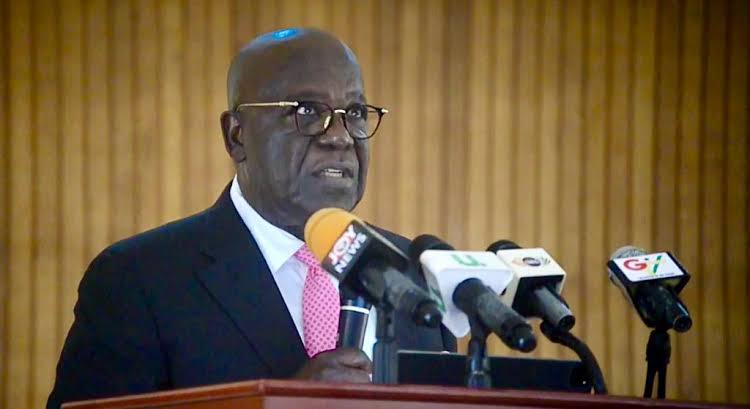
Ghana's long-running battle against illegal small-scale mining — commonly known as galamsey — will remain a losing fight unless the country fundamentally rethinks how enforcement is structured and who is held responsible when things go wrong. That is the core message from Ken Ashigbey, Convener of the Media Coalition Against Illegal Mining, who is urging authorities to move away from a centralised, Accra-driven approach that has repeatedly shown its limitations.
The Case Against Top-Down Enforcement
Ashigbey's argument is straightforward but pointed: issuing directives from the nation's capital does little good when the illegal mining activity is happening in communities far removed from the corridors of power. He contends that enforcement agents on the ground — those who are physically present in affected areas — must be empowered, monitored and, critically, held to account for the outcomes in their jurisdictions.
This is not a new observation. For years, critics of Ghana's anti-galamsey efforts have noted a troubling pattern: high-profile crackdowns are announced with great fanfare, task forces are deployed, and yet illegal mining activity resurfaces — sometimes within weeks — in the very same areas. The revolving-door nature of these interventions has led many analysts and civil society voices to conclude that enforcement without accountability is essentially performative.
Ashigbey's call for a paradigm shift reflects growing frustration within civil society that the government's efforts, however well-intentioned, have lacked the structural reforms needed to produce lasting change. Simply adding more personnel or more equipment to a flawed system, the argument goes, produces more of the same disappointing results.
Why It Matters for Ghana
The stakes could hardly be higher. Illegal mining continues to devastate Ghana's water bodies, with rivers such as the Pra, Ankobra and Offin severely polluted — threatening the drinking water supply of millions of Ghanaians. Agricultural land in the Western, Ashanti and Eastern regions has been scarred, displacing farming communities and contributing to food insecurity in areas that were once productive.
Beyond the environmental damage, galamsey has become entangled with broader governance challenges. There have been persistent concerns about collusion between some enforcement officials and illegal miners, which is precisely why Ashigbey's emphasis on accountability resonates so strongly. Without a system that punishes officials who look the other way — or who actively enable illegal activity — enforcement will always be undermined from within.
The economic dimension is equally significant. Ghana's cocoa industry, a vital foreign exchange earner, has suffered as farmland is destroyed. The tourism potential of the country's rivers and forests is diminished. And the communities living closest to the mining sites bear the heaviest health and environmental burden, often with the least political voice to demand change.
What Needs to Change
Civil society groups, including the Media Coalition Against Illegal Mining, have consistently argued for a multi-pronged approach that goes beyond periodic crackdowns. Key elements include:
- Decentralised accountability: District and regional officials must face real consequences for failures in their areas, not just national task force commanders in Accra.
- Community involvement: Local communities are often the first to know when illegal mining resumes. Creating safe and effective channels for community reporting could significantly improve early detection.
- Transparent monitoring: Independent oversight of enforcement operations — including by the media — is essential to expose collusion and ensure that anti-galamsey efforts are genuine rather than cosmetic.
- Consistent political will: Anti-galamsey efforts have historically been vulnerable to electoral considerations. Sustained, non-partisan commitment is essential.
Ashigbey's intervention comes at a moment when Ghanaians are once again asking whether their leaders have the resolve to protect the country's natural resources for future generations. The message from the Media Coalition is clear: resolve alone is not enough — the system itself must change, and those entrusted with enforcing the law must know that failure carries consequences.
Source: 3News



.jpg)
Comments (0)
Be the first to comment.