Ghana's free speech crisis: Mahama government accused of more arrests than Akufo-Addo's entire 8-year tenure
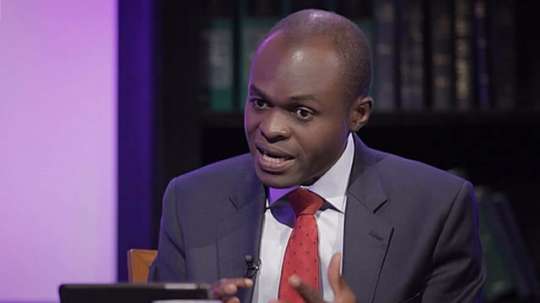
Ghana's democratic health is under scrutiny following claims that the John Mahama administration has arrested more people for insulting public officials in just 18 months than the previous government did across eight years. Legal practitioner Martin Kpebu, a vocal voice on constitutional matters, has raised the alarm about what he sees as a troubling trend that risks eroding the country's hard-won democratic freedoms.
Kpebu's criticism highlights a widening concern among civil society advocates about the use of state power to silence dissent and offensive commentary. While acknowledging that insulting public officials is inappropriate, he argues that arrests are a blunt and counterproductive tool in a functioning democracy, warning that the practice could squander President Mahama's current political goodwill if left unchecked.
A comparative record that troubles democracy watchers
The comparison between administrations is stark. During Akufo-Addo's tenure from 2017 to 2025, despite facing fierce criticism—including former President Mahama's references to the "Akyem sakawa mafia" and widespread mockery of his physical characteristics—few arrests were made on grounds of insulting speech alone. The Mahama government's approach in its opening phase appears markedly different, raising questions about priorities and democratic values.
Kpebu referenced Ghana's historical precedent to underscore his point. Late President Jerry John Rawlings openly called then-President John Agyekum Kufuor a thief whilst Kufuor was in office, yet no arrest followed. Such examples, Kpebu argues, demonstrate that mature democracies tolerate harsh speech rather than weaponising state institutions against critics.
The lawyer also noted that civil society figures like Nana Yaa Jantuah, who popularised the nickname "Nebuchadnezzar" for Akufo-Addo, were never prosecuted, illustrating an implicit social contract under the previous administration: leaders accept criticism as the price of office.
Why it matters for Ghana's democratic trajectory
Free speech and the freedom to criticise power are cornerstones of democratic governance. Ghana has long positioned itself as a beacon of democracy in West Africa, but recent arrest patterns suggest that commitment may be weakening. When governments begin criminalising offensive speech, they set a dangerous precedent that future administrations—even hostile ones—may exploit more aggressively.
Kpebu's intervention is significant because it comes from within Ghana's legal community, a sector trusted to uphold constitutional principles. His warnings suggest that concerns about democratic backsliding are not merely opposition posturing but reflections of genuine institutional anxiety. The comments also occur amid the opposition NPP's "Democracy Under Attack" demonstration on 6 August, which broadened the debate beyond free speech to include rule of law and constitutional governance.
For ordinary Ghanaians, the implications are sobering. If people fear arrest for speaking bluntly about political leaders, public discourse shrinks, accountability weakens, and the government operates with less scrutiny—precisely what undermines democratic systems.
Alternative approaches and the path forward
Rather than arrests, Kpebu proposes alternative mechanisms for addressing offensive speech: financial penalties, public criticism, or named-and-shamed accountability. These approaches preserve both free expression and institutional dignity without the chilling effect of criminal prosecution.
The government has rejected NPP allegations of democratic threats, but Kpebu's intervention suggests the concerns may transcend partisan politics. Whether the Mahama administration adjusts course on free speech arrests will be closely watched by Ghana's civil society, international observers, and citizens invested in the country's democratic health. The next 18 months will likely determine whether this early trend becomes entrenched policy or is corrected as a misstep.
Source: The Ghana Report

Comments (0)
Be the first to comment.