
Ghana's Flooding Crisis: How Poor Urban Planning and Wetland Destruction Are Making Cities Vulnerable

Ghana's major cities face a deepening flood crisis, with Accra, Kumasi, Takoradi, Tema, and Kasoa regularly experiencing devastating inundation that destroys homes, kills residents, and cripples infrastructure. While climate change and erratic rainfall patterns have intensified the problem, environmental experts and regulatory agencies are pointing to a more preventable culprit: systematic violations of planning laws, widespread encroachment on wetlands and drainage channels, and the failure of authorities to enforce development controls.
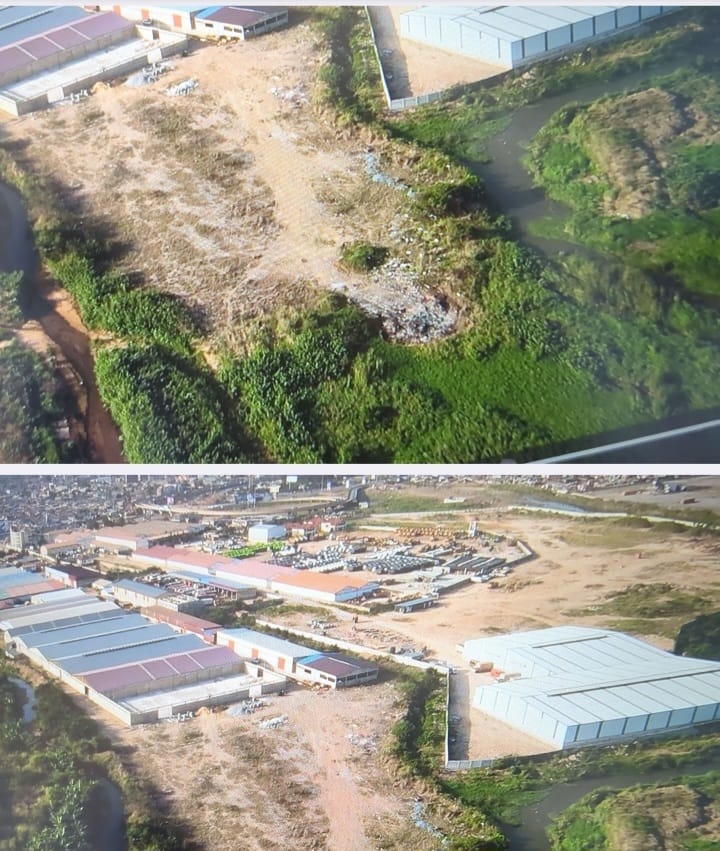
The pattern is clear. Over three decades of rapid urbanisation—driven by population growth, rural-to-urban migration, and housing demand—has destroyed critical natural flood defences. Wetlands that once absorbed excess stormwater like natural sponges have been filled in, drained, or paved over for residential estates, shopping malls, and industrial zones. Areas such as Weija, Adentan, East Legon, Ashaiman, and sections of Kumasi and Tema now sit atop former wetlands, with no natural buffer when heavy rains fall.
Why Wetlands Matter to Ghana's Cities
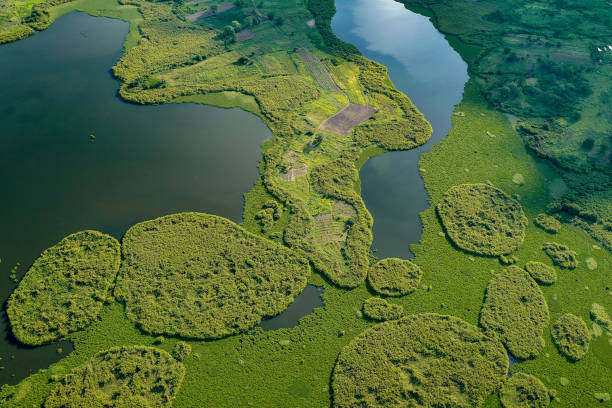
Wetlands—marshes, swamps, lagoons, and floodplains—are among the world's most valuable ecosystems. They absorb and store massive volumes of stormwater during heavy rainfall, then gradually release it, preventing the sudden flooding that devastates urban communities. Ghana recognises this value: the country is a signatory to the Ramsar Convention on Wetlands and has designated five internationally protected wetland sites, including the Sakumo Ramsar Site, Densu Delta, Muni-Pomadze, Keta Lagoon Complex, and Songor Lagoon.
Yet despite legal protection, these and other wetlands continue to disappear under development pressure. When a wetland is destroyed, communities lose not only flood defence but also groundwater recharge, natural water filtration, and wildlife habitat. The Water Resources Commission and Environmental Protection Agency have repeatedly warned that uncontrolled wetland development is a leading cause of urban flooding nationwide.
A Legal Framework That Isn't Working
Ghana has comprehensive laws on paper. The Land Use and Spatial Planning Act, 2016 (Act 925) is the primary framework, requiring all developments to conform to approved planning schemes and empowering planning authorities to regulate construction, prevent unauthorised building, and protect environmentally sensitive areas. Metropolitan, Municipal, and District Assemblies (MMDAs) hold responsibility for granting permits and enforcing compliance.
The problem is not the law—it is enforcement. Planning authorities and local assemblies have consistently failed to prevent illegal construction in flood-prone zones and natural drainage corridors. Developers ignore regulations, landowners encroach on waterways, and weak technical assessment capacity at the MMDA level means violations go unchecked. When heavy rain falls, blocked drainage pathways and saturated ground cause stormwater to accumulate rapidly, overwhelm overwhelmed drainage systems, and inundate neighbourhoods that should never have been built on.
What This Means for Ghana's Urban Future
If current trends continue, Ghana's cities will remain chronically vulnerable. Each flood season will destroy property, disrupt commerce, and endanger lives—especially in poor and informal settlements built on the worst flood-prone land. Recovery costs will mount, infrastructure damage will worsen, and the economic burden will fall heaviest on those least able to afford it.
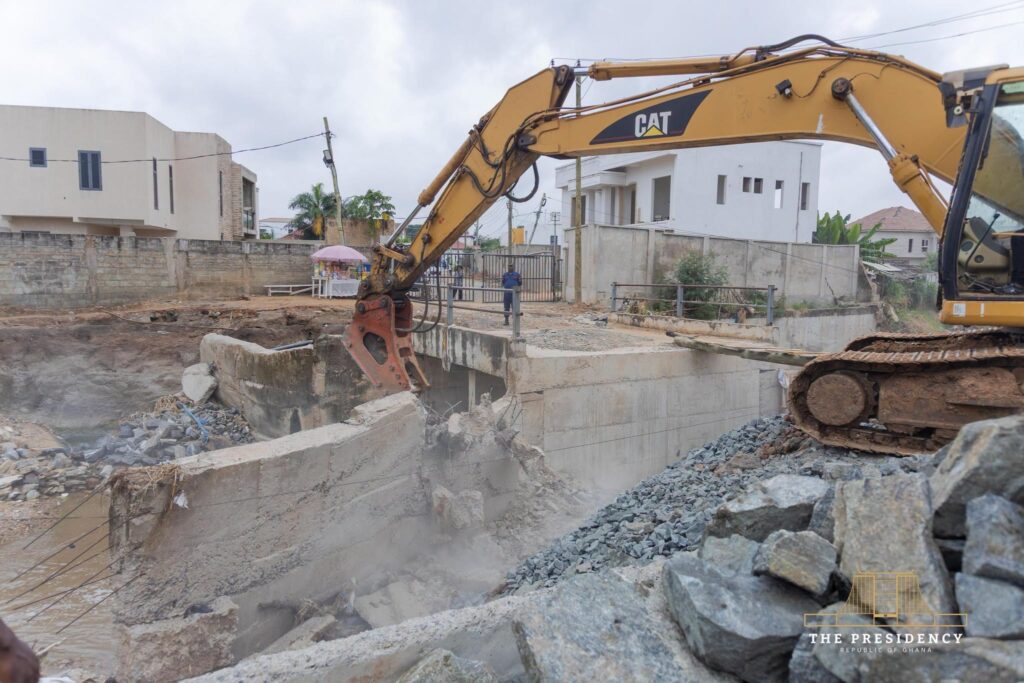
Addressing the crisis requires three things: strict enforcement of existing planning laws, restoration and protection of remaining wetlands and drainage corridors, and integration of flood risk into all future urban development decisions. Planning authorities and assemblies must refuse permits for development in flood-prone areas, prosecute violations, and work with the EPA and Water Resources Commission to map and designate no-build zones. Without urgent action, Ghana's urban flooding will only worsen.
Source: The Ghana Report



Comments (0)
Be the first to comment.