Ghana's fight against drug trafficking threatened by intelligence leaks, says Interior Minister
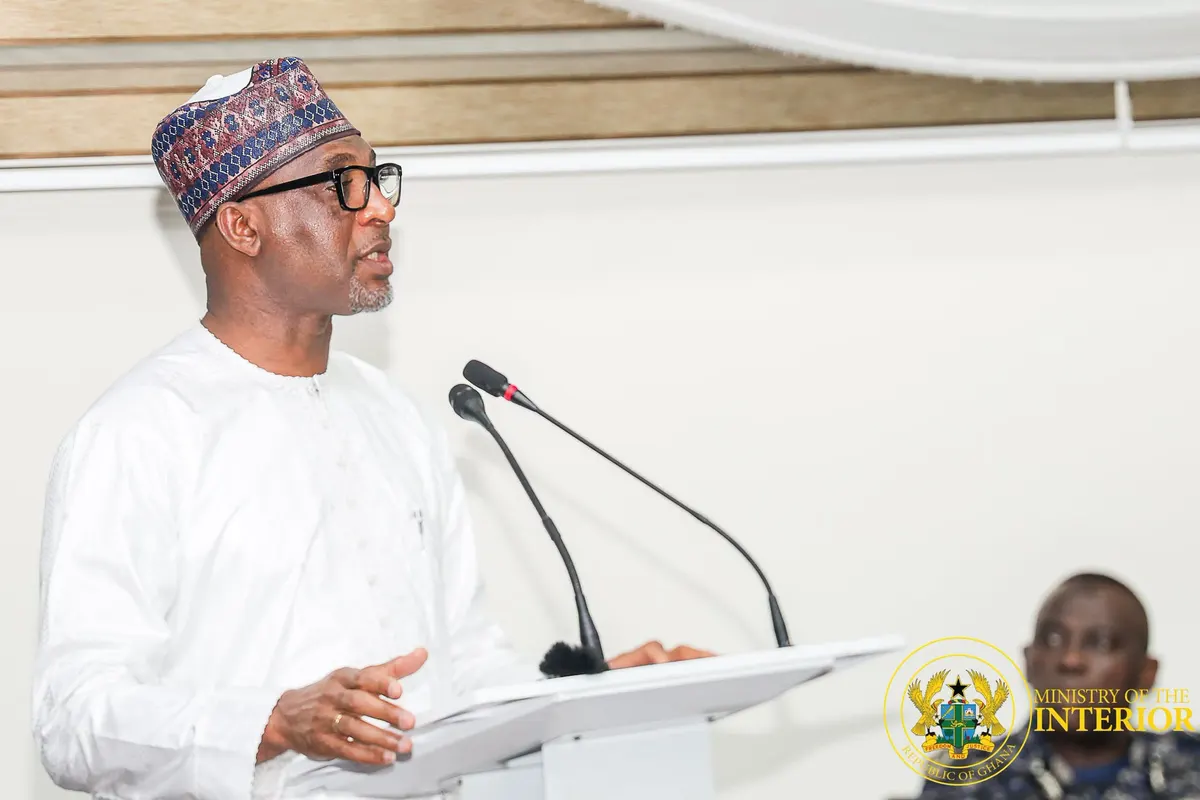
Ghana's ability to combat international drug trafficking has been significantly undermined by internal security breaches, according to Interior Minister Muntaka Mubarak. The minister has revealed that key allies including Australia and France have become reluctant to share sensitive intelligence with Ghanaian security agencies, citing concerns about information being leaked from within the system.
This disclosure comes at a critical time when Ghana faces mounting pressure from transnational drug trafficking networks using the country as a transit hub for narcotics destined for Europe and beyond. The reluctance of major international partners to collaborate effectively weakens Ghana's capacity to intercept smuggling operations and apprehend traffickers before they exploit local vulnerabilities.
The Intelligence-sharing problem
When foreign intelligence agencies withhold information from local partners, it creates blind spots in anti-narcotics operations. Australia and France, both nations with substantial resources dedicated to tracking international drug movements, would normally provide Ghana with critical data about suspected trafficking routes, known smugglers, and shipment intelligence. Without this information, Ghanaian security forces operate with incomplete pictures of threats within their jurisdiction.
The minister's acknowledgement of insider leaks is particularly concerning because it suggests the problem is systemic rather than isolated. Trust between international security partners is built gradually and destroyed quickly. Once compromised, rebuilding collaborative relationships requires both institutional reform and demonstrable accountability.
Why it matters for Ghana
Ghana's role in global drug trafficking has expanded significantly over the past decade. Criminal networks view the country as strategically valuable due to its ports, airports, and relative proximity to European markets. When international partners become hesitant to share intelligence, Ghana loses access to information that could help intercept drugs before they enter the country or are processed by local criminal syndicates.
The economic and social costs are substantial. Drug trafficking fuels corruption, destabilises communities, and creates security challenges that divert resources from other development priorities. It also damages Ghana's international reputation and can trigger sanctions or travel restrictions for Ghanaian officials implicated in corruption.
Beyond narcotics, intelligence-sharing is essential for addressing terrorism, cybercrime, and human trafficking. If foreign partners lack confidence in Ghana's ability to protect classified information, the entire spectrum of security cooperation suffers.
The path forward
Muntaka's public acknowledgement of the problem is a necessary first step. Ghana's security agencies must now implement concrete measures to identify and eliminate sources of leaks. This typically involves enhanced vetting procedures, compartmentalisation of sensitive information, and stronger internal accountability mechanisms.
Rebuilding trust with international partners will require time, transparency, and demonstrable results. Ghana may need to accept more stringent oversight or conditions on shared intelligence until confidence is restored. The alternative—continued isolation from international intelligence networks—leaves the country increasingly vulnerable to organised crime networks that operate without geographical boundaries.
For citizens and businesses, the stakes are clear: when drug trafficking networks operate unchecked, the consequences ripple through communities in the form of addiction, violence, and compromised institutions.
Source: 3News


Comments (0)
Be the first to comment.