Ghana's Economy on Upward Trajectory as Inflation Falls, BoG Chief Signals Confidence

Ghana's economic prospects are brightening as inflation continues its downward trend, according to the Governor of the Bank of Ghana (BoG), Dr Johnson Pandit Asiama. Speaking at a stakeholder engagement in Sunyani, he outlined an encouraging picture of macroeconomic stability and growth that should provide reassurance to businesses and consumers navigating an uncertain global environment.
The economy expanded by 6.4 per cent in the first quarter of 2026, a modest acceleration from the 6.2 per cent recorded in the same quarter the previous year. Services and industrial production have been the primary drivers of this growth, signalling diversification away from over-reliance on any single sector. For a country of Ghana's size and resource base, sustained growth above 6 per cent represents solid economic performance.
A Loosening of Credit and Rising Consumer Confidence
Beyond raw growth figures, the BoG Governor highlighted tangible improvements in business conditions. Lending rates have declined, making credit more accessible to entrepreneurs and companies seeking to expand operations or invest in new ventures. This easing of financial conditions matters enormously in an economy where many small and medium enterprises depend on bank loans to fuel growth.
Dr Asiama noted that businesses and consumers are displaying greater confidence in the economic outlook. Tourism activity is recovering noticeably, with increased visitor numbers supporting hospitality, transport, and related sectors. These signs of renewed optimism represent a psychological shift that often precedes sustained economic activity, as confidence translates into hiring, investment, and consumption decisions.
The central bank's commitment to controlling inflation has been particularly significant. Lower inflation protects household purchasing power, encourages savings and investment rather than currency hoarding, and allows businesses to plan with greater certainty about future costs and revenues.
Why It Matters for Ghana: Global Risks Remain Real
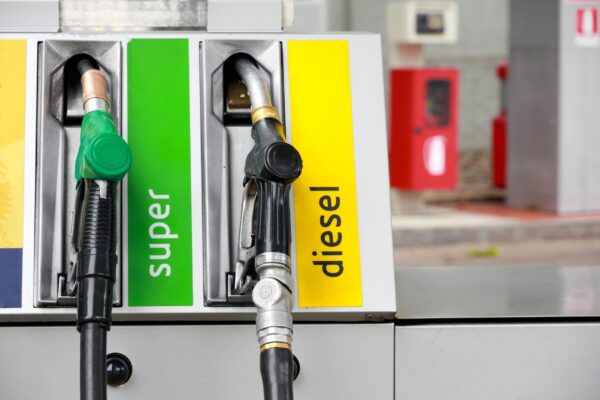
While the domestic outlook is positive, Dr Asiama offered an important cautionary note. Ghana, as a small open economy, remains vulnerable to external shocks beyond its control. He cited the example of Middle East tensions between Iran and the United States, which have not directly involved Ghana yet continue to drive up global oil prices. Since Ghana imports refined petroleum products and uses oil for electricity generation, higher crude prices inevitably filter through to local production costs, transportation expenses, and ultimately consumer prices.
This vulnerability underscores why macroeconomic stability matters so much. A resilient economy with controlled inflation, strong reserves, and sound fiscal management can better absorb external shocks. Conversely, an economy already burdened by high inflation or external debt struggles to cope when global conditions deteriorate.
For Ghanaians, these dynamics carry real implications. Stability in inflation and interest rates affects everything from mortgage affordability to the cost of goods in markets. Improved credit access can mean better opportunities for entrepreneurs. Tourism recovery supports jobs in hospitality and transport. Yet the Governor's caution is equally important: any major global disruption—whether geopolitical, financial, or commodity-driven—could quickly reverse these positive trends.
The BoG's stakeholder engagement initiative also reflects an important institutional shift toward greater transparency and dialogue with businesses. By explaining central bank operations and soliciting feedback on how policies affect different sectors, the BoG is building the relationships and credibility necessary to implement effective policy during both good times and crises.
Source: MyJoyOnline


Comments (0)
Be the first to comment.