
Ghana's Drug Fight Bigger Than Cocaine: NACOC Stretched Thin as Synthetic Substances Threaten the Youth

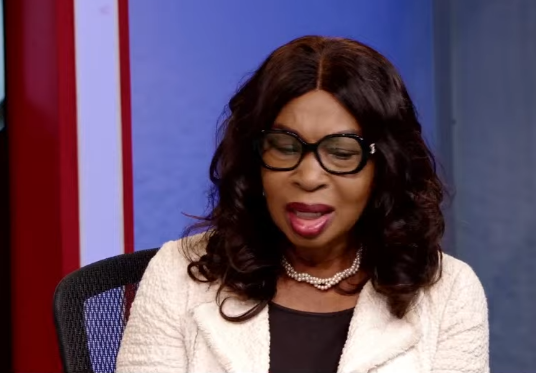
Ghana's war on drugs is being fought with one hand tied behind its back, according to Convener of the OneGhana Movement, Senyo Hosi, who has raised serious concerns about the state of the Narcotics Control Commission (NACOC) and the country's narrowly focused response to what is a far more complex crisis. Speaking on JoyNews' Newsfile, Mr Hosi argued that if Ghana continues to treat its drug problem primarily as a cocaine issue, it risks missing the bigger and more dangerous threat — synthetic substances that are quietly devastating young people across the country.
An institution running on empty
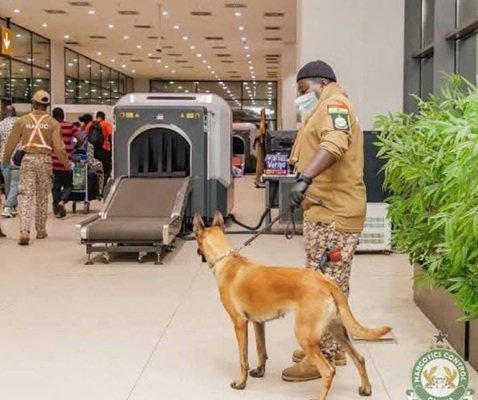
Mr Hosi painted a troubling picture of NACOC's operational reality, describing the Commission as "highly under-resourced" in terms of personnel, equipment, and logistical support. He recalled witnessing NACOC officers posted at border points without proper office facilities, with some compelled to conduct their duties outdoors under trees — conditions he described as reflecting the broader struggle the Commission faces in executing its mandate.
He acknowledged that there has been some progress in expanding NACOC's footprint across the country, with the Commission growing its presence from roughly eight districts before the current government took office to 81 districts. But Mr Hosi was clear that physical expansion alone is not enough. Without matching that growth with adequate resources, the expansion risks becoming symbolic rather than substantive. Officers spread across more districts without the proper tools to do their jobs effectively cannot be expected to meaningfully disrupt drug trafficking networks or tackle substance abuse at the community level.
Mr Hosi also expressed frustration that the 2027 Budget did not allocate sufficient attention or funding to NACOC, arguing that the drug menace deserves to be treated as a genuine national priority rather than an afterthought in fiscal planning.
Why it matters for Ghana
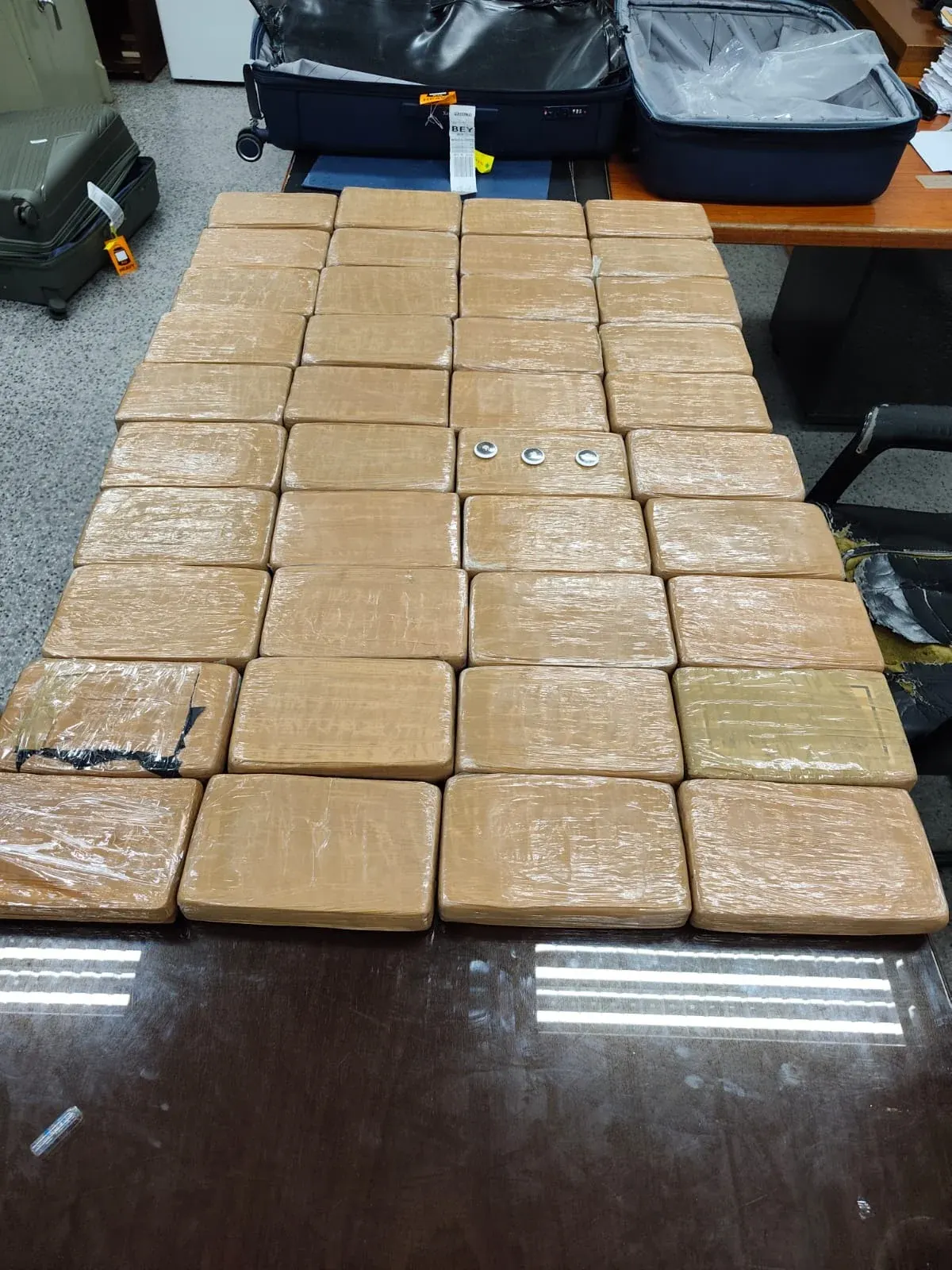
Ghana has long been recognised internationally as a transit point for cocaine shipments moving from Latin America to European markets. High-profile drug busts at Kotoka International Airport and along the country's coastline have kept cocaine in the headlines. However, Mr Hosi's warning draws attention to a dimension of the crisis that receives comparatively little public discourse — the domestic rise of synthetic drugs.
Synthetic substances, which can include drugs such as tramadol abuse, methamphetamine variants, and other chemically manufactured compounds, are increasingly accessible and affordable, making them particularly dangerous among young and economically vulnerable populations. Unlike cocaine, which Ghana largely serves as a conduit for, synthetic drugs are being consumed locally, with serious consequences for public health, family stability, and long-term productivity.
Mr Hosi urged Ghanaian families — particularly those in the middle class who may assume their children are insulated from such risks — to remain vigilant. He stressed that drug exposure is not confined to any single socioeconomic group and that the threat is present across communities.
"The drug problem should not be made a cocaine problem at all. The bigger problem we have is with the synthetics. Serious problem. But that's what our youth are getting into," he said.
What needs to change
The core of Mr Hosi's argument is that Ghana's anti-drug strategy requires both a resource injection and a broadened focus. Equipping NACOC officers with the detection tools, vehicles, communication equipment, and office infrastructure they need is not optional — it is foundational to any credible national response.
Beyond resources, there is a need for public education campaigns that address synthetic drug use directly, alongside community-level intervention programmes that can reach young people before they become entrenched users. The government, civil society, and families all have a role to play.
- NACOC has expanded from 8 to 81 districts, but resource constraints undermine its effectiveness.
- Synthetic drugs, not cocaine, represent the most urgent domestic threat to Ghanaian youth.
- The 2027 Budget has been criticised for failing to adequately fund the Commission.
Source: MyJoyOnline

Comments (0)
Be the first to comment.