Ghana's cocoa sector under threat as farmers push for urgent parliamentary action on protection bill
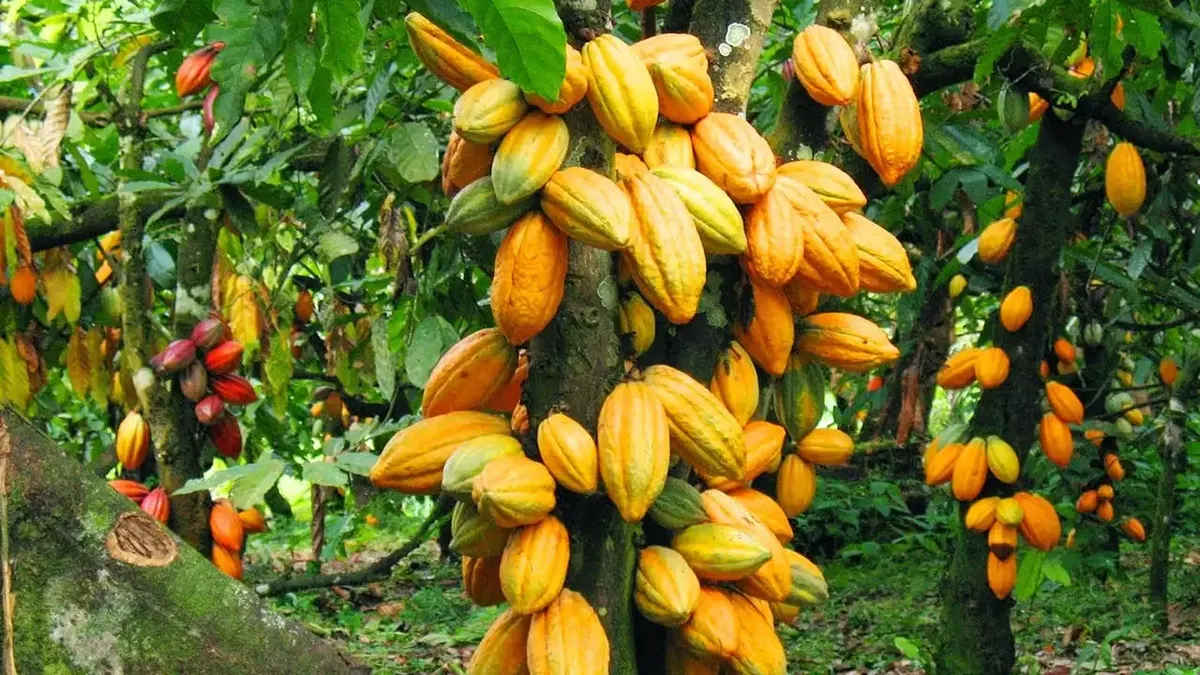
Ghana's cocoa farming communities are sounding an alarm over legislative delays that are putting the nation's most valuable agricultural asset at risk. The Concerned Farmers Association of Ghana has stepped up calls for parliament to urgently pass the Cocoa Farmers Bill, citing mounting threats to productive farmland from illegal mining operations and conversion of cocoa lands to alternative crops like rubber.
The association's intervention reflects growing frustration among smallholder cocoa farmers who say they cannot wait indefinitely for protective legislation whilst their livelihoods face erosion. The bill, intended to safeguard cocoa farming communities and regulate land use in cocoa-growing regions, has languished in parliament as competing priorities and procedural delays have stalled progress.
Threats facing Ghana's cocoa heartland
Illegal mining activities continue to devastate cocoa-growing areas, particularly in regions like Ashanti, Western North and Central regions, which produce the bulk of Ghana's cocoa. These operations not only destroy the soil structure essential for cocoa cultivation but also contaminate water sources and displace farming households. Simultaneously, some landowners and farmers are converting cocoa plantations into rubber farming, lured by what they perceive as more profitable or less labour-intensive ventures.
Such conversions represent a strategic loss for Ghana's economy. Cocoa remains one of the nation's top three export commodities and a critical source of foreign exchange. The industry directly and indirectly supports millions of Ghanaians, from farmers to processors and exporters. When productive cocoa land shrinks, the entire value chain feels the impact.
Why this matters for Ghana
Ghana's cocoa sector has faced mounting pressure in recent years from declining yields, rising production costs, climate variability, and now, rapid land-use change and environmental degradation. Cocoa farmers—the vast majority of whom are smallholders earning less than two dollars per day—operate with minimal buffers against shocks. Without legislative protection ensuring secure land tenure and enforcement of farming zoning, they remain vulnerable to displacement and economic marginalisation.
The Cocoa Farmers Bill is intended to address these vulnerabilities by establishing legal frameworks that protect cocoa-farming lands, regulate illegal mining in cocoa zones, and provide farmers with greater security and support. Parliamentary passage would signal government commitment to stabilising this critical sector at a time when Ghana's cocoa output has already faced headwinds.
From a macroeconomic perspective, cocoa export revenues support government budgets, fund education and healthcare initiatives, and attract foreign direct investment. Weakening the cocoa base threatens not just farming households but national revenue stability and economic resilience. The delay in passing protective legislation risks normalising land degradation and conversion—trends that, once embedded, become far more costly to reverse.
Next steps and broader context
Parliament now faces pressure to deprioritise procedural delays and move the bill through legislative stages. The association's public advocacy suggests farmers are no longer content to wait passively and are prepared to escalate pressure through media, community mobilisation and potentially direct engagement with lawmakers.
The bill's passage would represent a practical step toward sustainable cocoa farming, but observers note that legislation alone is insufficient without enforcement capacity and political will to tackle illegal mining syndicates and land-grabbing networks that often operate with impunity in remote farming zones.
Source: 3News



Comments (0)
Be the first to comment.