
Ghana's Cashew Farmers Warn Export Ban Could Devastate 200,000 Livelihoods Before Processing Sector Is Ready
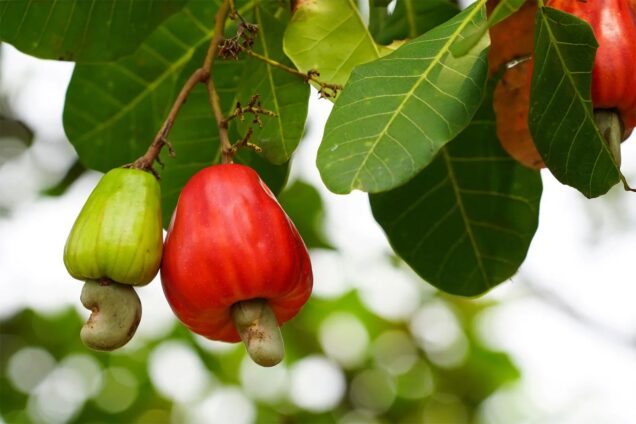

More than 200,000 cashew farmers spread across seven Ghanaian regions are facing a potentially ruinous harvest season unless the government reconsiders a recently imposed ban on raw cashew nut (RCN) exports. The Ghana Cooperative Cashew Farmers and Marketing Association (GCCFMA) made an urgent public appeal at a well-attended press conference at the Wenchi Jubilee Park, calling on President Mahama's administration to temporarily lift the export restriction until the country's domestic processing industry can realistically absorb the bulk of the annual harvest.
A Policy Vision That Outpaces Ground Realities
The government's push to restrict raw cashew exports is rooted in a broader industrialisation agenda — a drive to ensure that Ghana retains more value from its agricultural produce by processing it locally rather than shipping raw materials abroad. The recent commissioning of the Nadkansco Cashew Processing Plant in Techiman was hailed by the GCCFMA as a genuine milestone and a promising step towards stabilising farm-gate prices and guaranteeing more reliable domestic demand.
However, the association's concern is not with the goal, but with the timing. Ghana produces approximately 262,000 metric tonnes of RCN each year. Currently, only around 17,000 metric tonnes — less than ten per cent — is processed within the country. Even accounting for the newly commissioned Nadkansco facility, which adds a 30,000 metric tonne processing capacity, combined domestic processing capacity remains well under a quarter of total national output. The arithmetic, the farmers argue, simply does not support a ban during the peak harvest season.
Three Dangers Threatening Farmers This Season
Association Secretary Sah Kofi Eric outlined three concrete risks that could materialise if the export ban is enforced in its current form:
- Market glut and trader withdrawal: Exporters and aggregators are unlikely to purchase RCN they cannot legally move abroad within a reasonable timeframe. The costs of warehousing, capital tied up in unsold stock, and deterioration in nut quality during prolonged storage make it financially unattractive to buy — leaving farmers with no willing off-takers.
- Acute cash-flow crisis: Cashew farming demands significant upfront investment. Farmers depend on the revenue from immediate post-harvest sales to pay for land clearing, nut picking, carting, and drying. If sales stall, operations across the value chain could grind to a halt.
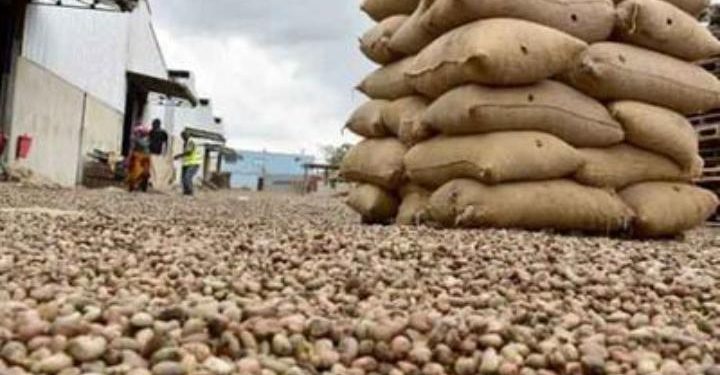
- Post-harvest losses: Most smallholder farmers lack proper storage infrastructure or the standard jute sacks needed to safely hold unsold nuts. Poor storage leads to moisture damage, reduced quality, and steep price discounts when Ghanaian cashew eventually reaches international markets — damaging the country's reputation as a reliable supplier.
What This Means for Ghana's Cashew Ambitions
Ghana is one of West Africa's notable cashew producers, and the sector supports hundreds of thousands of rural livelihoods, particularly in the Brong-Ahafo, Bono East, and other northern and middle-belt regions. The government's long-term vision of transforming the country into a cashew processing hub is widely supported across the industry — but, as the GCCFMA's appeal makes clear, closing the export window before sufficient processing infrastructure exists risks undermining the very farmers the policy is designed to protect.
The association has put forward four recommendations: an immediate suspension of the export restriction until domestic factories can absorb at least 75 per cent of annual production; broad stakeholder consultations involving farmers, processors, aggregators, and exporters; a government-backed buffer or guaranteed off-take mechanism to purchase excess RCN that local factories cannot absorb; and practical farmer support such as access to affordable jute sacks, community storage facilities, and input financing.
The GCCFMA stressed that it remains committed to working with the Tree Crops Development Authority and the government to achieve long-term sector transformation. The association expressed hope that Cashew Council Ghana would forward its plea to the relevant minister and the President for urgent consideration before the peak harvest season creates irreversible harm to farming communities already operating on thin margins.
With the harvest window narrowing, the pressure on Accra to respond swiftly is mounting.
Source: The Ghana Report


Comments (0)
Be the first to comment.