
Ghana's AIA VIP Lounge: Private Sector Delivers Airport Upgrade Without Taxpayer Cost
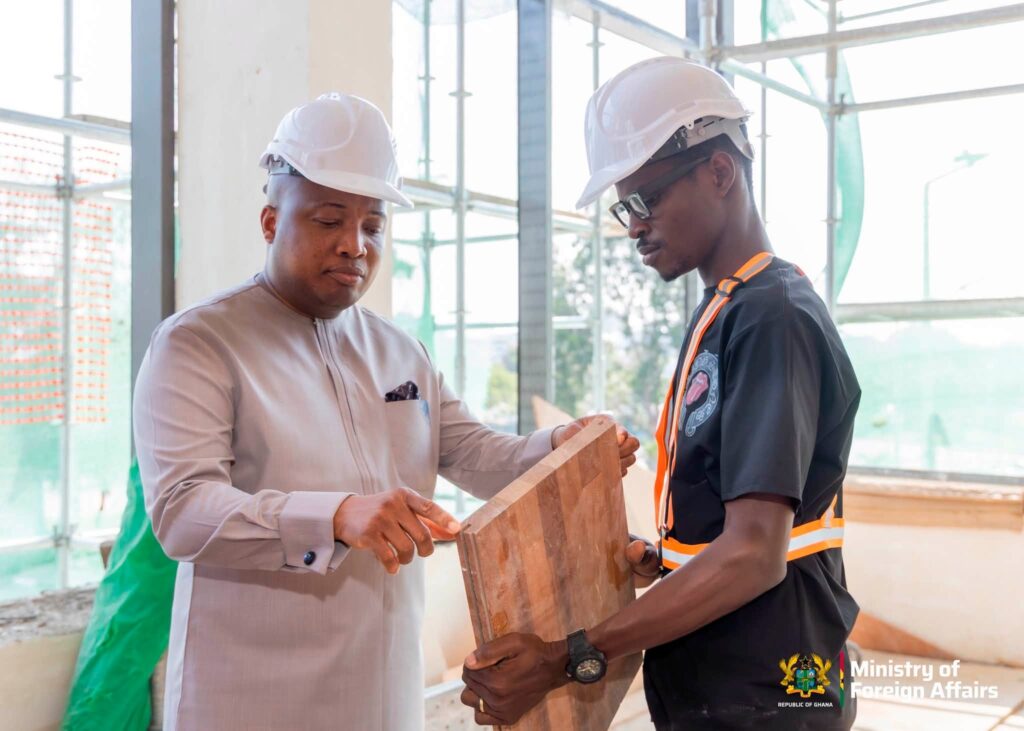

Ghana's government is pursuing an unconventional financing model for a high-profile infrastructure project at Accra International Airport, with Foreign Affairs Minister Samuel Okudzeto Ablakwa confirming that an ultramodern VIP Lounge will be constructed entirely through private-sector contributions rather than taxpayer money.
The project hinges on corporate social responsibility commitments from Ghanaian businesses, which are making direct payments to locally-selected contractors undertaking the construction work. This arrangement represents a departure from traditional public procurement processes and government budget allocation, offering a potential blueprint for future infrastructure delivery in Ghana.
How the Partnership Model Works
The Foreign Ministry's Estate Bureau is overseeing quality control and standards compliance throughout construction, ensuring that the facility meets international benchmarks despite the non-traditional financing approach. By allowing businesses to select their preferred local contractors, the model aims to inject competitive efficiency and speed into the building process while keeping public coffers intact.
Minister Ablakwa, after inspecting progress on the facility in September, expressed satisfaction with both execution pace and quality standards. The arrangement eliminates conventional government procurement bureaucracy, potentially accelerating timelines and reducing administrative overhead typically associated with public-funded projects.
Why This Matters for Ghana
This initiative carries broader implications for how Ghana approaches infrastructure development amid tight fiscal constraints. The country has faced recurring budgetary pressures, and alternative financing models that mobilise private capital for public-facing facilities could ease strain on government resources.
The VIP Lounge project demonstrates that leveraging corporate social responsibility commitments—rather than relying solely on government borrowing or budget reallocation—can deliver tangible improvements to critical infrastructure like airports. For Ghana's tourism and business sectors, an upgraded passenger facility at the nation's primary international gateway could enhance the travel experience and project a more modern image to international visitors.
However, the model also raises questions about equity and transparency. The reliance on voluntary corporate contributions means project scope and quality may depend on business goodwill, and public oversight mechanisms differ from traditional procurement. Ghanaians will be watching how effectively the Estate Bureau maintains standards and whether this approach can be replicated across other priority infrastructure.
Expected Timeline and Next Steps
The ultramodern VIP Lounge is scheduled for completion and handover by the end of 2026. Once operational, the facility is expected to serve government officials, dignitaries, and premium passengers transiting through Kotoka International Airport, reinforcing Ghana's standing as a regional aviation hub.
The project's success or challenges will likely influence government thinking on future private-public collaboration models for infrastructure, particularly in sectors where corporate entities have direct business interests in facility quality and national competitiveness.
Source: MyJoyOnline




Comments (0)
Be the first to comment.