
Ghana's 20 National Teams Squeeze Into a Single Bus Bought in 2008 — Okraku Lays Bare Football's Infrastructure Crisis


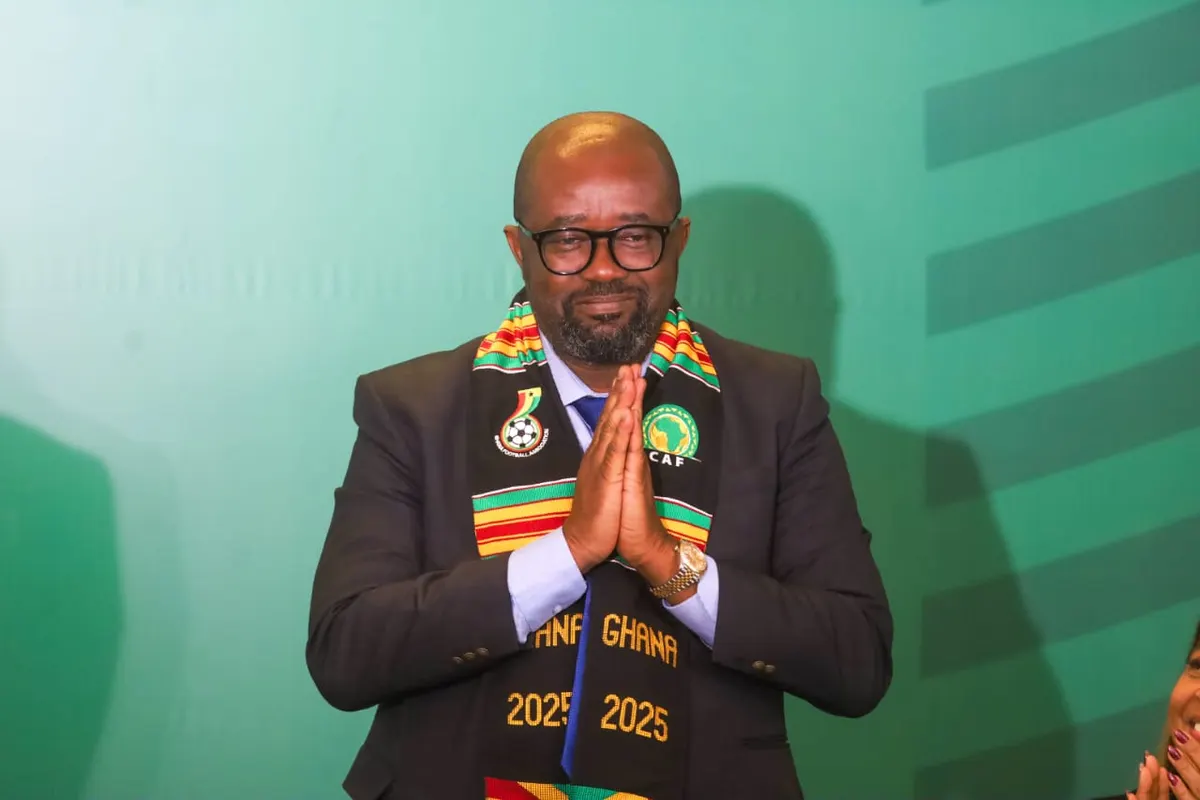
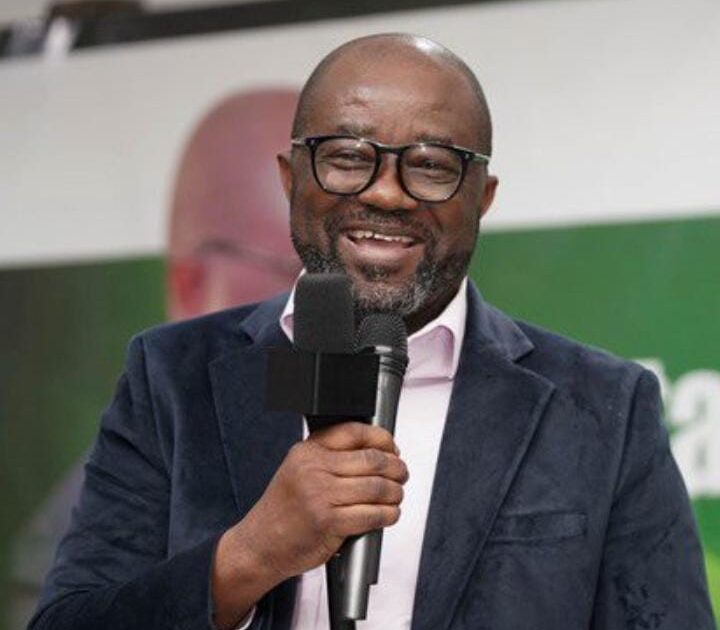
Ghana's football infrastructure is in a far more desperate state than many fans may have imagined. GFA President Kurt Okraku has publicly revealed that all 20 of the country's national football teams — from the senior Black Stars down to the various youth and women's sides — rely on a single bus to meet their transportation needs. That bus was purchased by the Ghana Football Association way back in 2008, making it well over a decade and a half old, and by Okraku's own account, it is in a broken state.
A Damning Admission From the Top
Okraku's disclosure is a striking moment of candour from the head of Ghanaian football. For a nation that takes enormous pride in its footballing heritage — a country that has produced world-class talents and reached the quarter-finals of the FIFA World Cup — the idea that its national teams are scrambling to share a single ageing vehicle is a sobering reality check.
The revelation raises immediate practical questions: how do multiple national teams — operating across different age groups and genders, often with overlapping training and competition calendars — coordinate the use of one bus? The logistical strain this places on team managers, technical staff and players is considerable. A delayed bus could mean a missed training session; a breakdown could jeopardise an entire team's preparation ahead of a crucial qualifier.
Beyond transportation, Okraku's comments point to a broader infrastructure deficit within Ghanaian football administration. If the basic matter of moving teams from place to place has gone unresolved for so long, it invites serious scrutiny of how resources have been allocated across the sport over the years.
Why It Matters for Ghana
Football is more than a sport in Ghana — it is a cultural institution, an economic driver and a source of deep national identity. The Black Stars remain one of Africa's most followed teams, and Ghanaians invest significant emotion and expectation in their national sides at every level. When the infrastructure supporting those teams is this fragile, the consequences ripple outward.
Youth development is perhaps the area most at risk. Ghana's under-17, under-20 and under-23 sides are the pipeline for the senior national team. If young players and their coaches cannot reliably get to training grounds and match venues, the long-term competitiveness of Ghanaian football is compromised. Africa's football landscape is increasingly competitive, with nations investing heavily in academies, facilities and administrative structures.
The GFA has faced criticism over the years on issues ranging from match-fixing scandals — exposed dramatically by the Anas Aremeyaw Anas investigative documentary in 2018 — to governance and financial management. Okraku, who took over the presidency in 2019 following that turbulent period, has sought to rebuild confidence in the association. His willingness to publicly name this infrastructure gap could be read as an attempt to pressure stakeholders — including the government, corporate sponsors and international football bodies — to step in with support.
What Needs to Happen Next
The disclosure naturally shifts attention to what solutions are on the table. The GFA could pursue several avenues: direct government funding, corporate sponsorship deals with Ghanaian or multinational companies, or support from FIFA and CAF through their development programmes, both of which provide member associations with infrastructure grants and operational funding.
- FIFA's Forward Programme provides funding to member associations specifically for football development, including equipment and logistics.
- CAF also runs development initiatives aimed at improving the operational capacity of African football associations.
- Government sports funding in Ghana has historically been inconsistent, but high-profile disclosures like this can sometimes accelerate budget conversations.
Ultimately, Ghana deserves a football administration equipped to match its ambitions on the pitch. A nation aiming to qualify for World Cups and win AFCON cannot afford to have its teams fighting over a bus that was old before many of its current youth players were even born. Okraku has named the problem — the next step is fixing it.
Source: 3News

Comments (0)
Be the first to comment.