Ghana Railway Workers Left Without Pay for 10 Months, Authority Chief Confirms

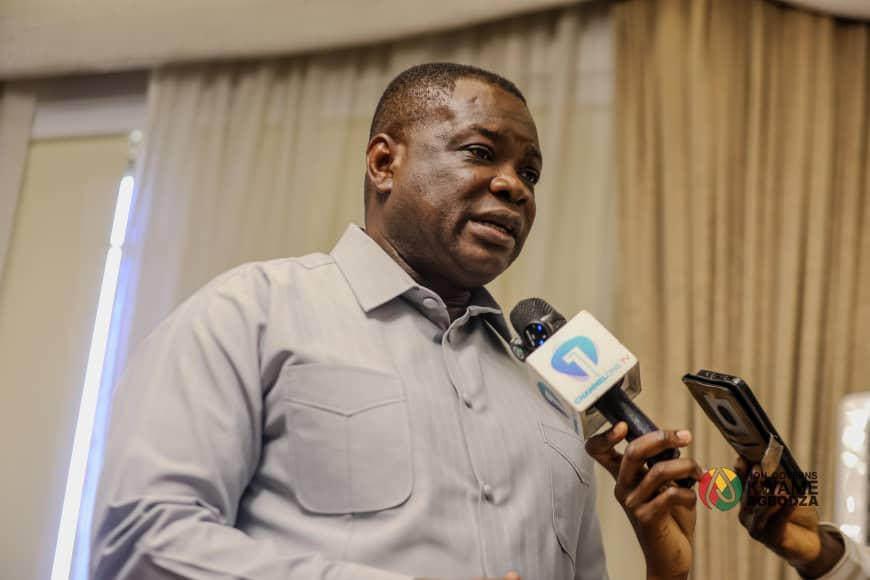
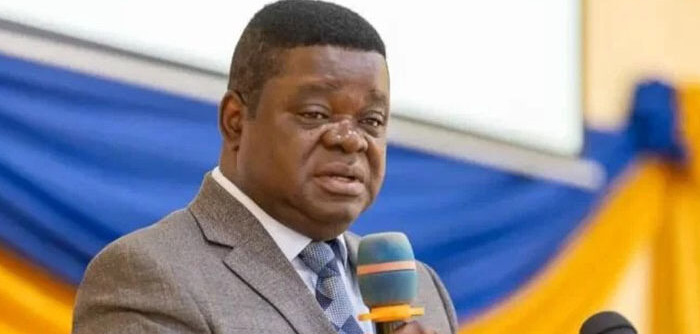
Staff at Ghana Railway Company Limited are facing a severe financial crisis, with the Ghana Railway Development Authority (GRDA) confirming that workers remain unpaid for approximately ten months. The disclosure comes from Dr. Frederick Appoh, Chief Executive Officer of the GRDA, highlighting the depth of the remuneration crisis affecting the national railway operator.
The revelation underscores persistent challenges in Ghana's transport infrastructure sector, where consistent funding shortfalls have left employees in a precarious position. Railway workers, essential to maintaining and operating the country's rail network, have effectively been working without regular compensation for an extended period—a situation that threatens both their livelihoods and the reliability of services.
Impact on Ghana's Rail Sector
Ghana's railway network has long been identified as a critical development priority, with government initiatives aimed at modernising transport infrastructure and reducing road congestion. However, the salary arrears crisis threatens operational efficiency and staff morale across the system. When workers go unpaid for months, it typically results in reduced service quality, maintenance delays, and difficulty attracting skilled personnel to the sector.
The Ghana Railway Company Limited operates passenger and freight services that connect key economic zones across the country. Service disruptions or degradation directly affect businesses relying on rail transport, as well as commuters who depend on affordable, reliable railway alternatives to road travel.
Why it matters for Ghana
This wage arrears situation reflects broader fiscal challenges within Ghana's state-owned enterprises. The railway sector has historically struggled with operational funding, despite its importance to the national economy. The inability to pay workers on time signals either insufficient government budget allocation to the GRDA or broader financial management issues within the authority itself.
The crisis also raises questions about the sustainability of Ghana's transport infrastructure plans. Government has invested in railway projects as part of long-term development strategy, but without addressing immediate wage obligations to current staff, confidence in the sector's management will remain weak. Workers facing extended salary delays are likely to seek employment elsewhere, potentially creating skills shortages that could hamper future expansion and modernisation efforts.
For ordinary Ghanaians, reliable rail transport offers cost savings compared to road transport and reduces pressure on congested highway networks. Operational disruptions harm commuters and businesses equally. Additionally, the situation raises concerns about how government manages public sector payroll responsibilities—an issue that extends beyond railways to other critical services.
Path Forward
Resolution of the arrears requires immediate government intervention to settle outstanding payments and establish sustainable funding mechanisms for the GRDA. Without swift action, further deterioration in service quality and staff retention is likely, undermining Ghana's transport infrastructure objectives. The railway authority will need both short-term financial relief to clear historical arrears and medium-term budget commitments to prevent recurrence of this crisis.
Source: 3News

Comments (0)
Be the first to comment.