
Ghana Pledges to Ratify African Central Bank Treaty by 2027 as Ablakwa Champions AU Financial Independence in Accra
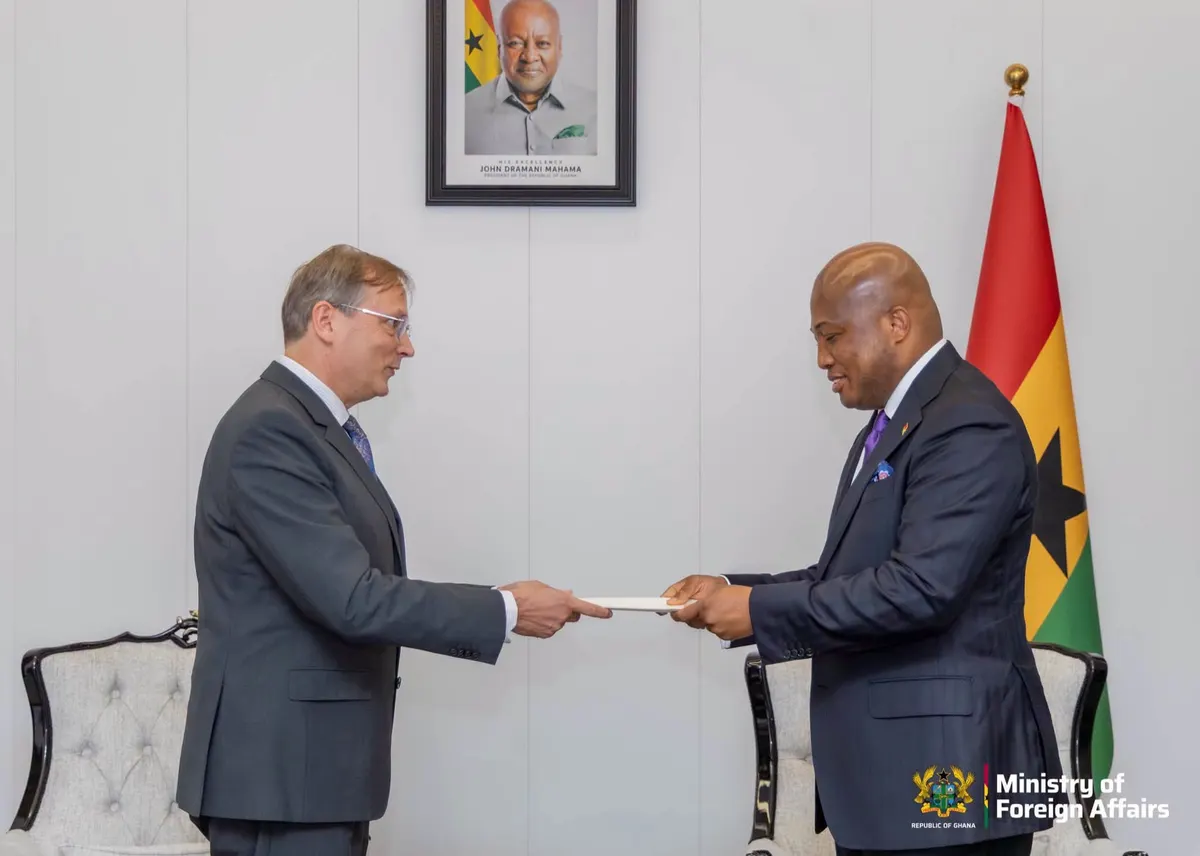

Ghana has made a firm commitment to ratify the treaty establishing the African Central Bank by 2027, with Foreign Affairs Minister Samuel Okudzeto Ablakwa delivering the pledge directly to African Union ministers gathered in Accra. The announcement came alongside Ablakwa's proposal of an Accra Declaration, a framework of six concrete commitments designed to help African states fund their continental body without relying on external donors.
What Ablakwa is Proposing
At the heart of Ablakwa's push is the Accra Declaration, which outlines a package of financing mechanisms intended to place the African Union on a more self-sufficient financial footing. Among the key pillars of the proposed declaration is the operationalisation of a continental import levy — a mechanism that would see member states channel a small percentage of levies on imported goods into AU coffers.
Another centrepiece is a commitment to building up a dedicated Peace Fund to the value of US$1 billion, which would give the African Union the financial muscle to respond to conflicts and security crises on the continent without depending on Western donors or institutions. The other commitments within the declaration are aimed at broadening the revenue base of the AU and reducing the persistent gap between member state assessments and actual contributions paid.
Ablakwa framed Ghana's 2027 ratification pledge for the African Central Bank treaty as a signal of serious political will, urging other member states to follow suit. The African Central Bank, one of three financial institutions envisioned under the African Economic Community framework alongside the African Investment Bank and the African Monetary Fund, has long been an aspiration of pan-Africanist thinkers but has struggled to move from blueprint to reality due to slow ratification progress among member states.
Why It Matters for Ghana
Ghana has historically positioned itself as a leading voice in pan-African affairs, and Accra has served as headquarters for a number of continental institutions. A credible Ghanaian commitment on the African Central Bank treaty carries symbolic and practical weight — if larger, more influential economies follow Ghana's lead, the treaty could finally gather the ratifications it needs to enter into force.
For ordinary Ghanaians, the implications are significant. An African Union that finances itself primarily through its own mechanisms — rather than external aid — would be better placed to take independent positions on trade, security and governance. It would also reduce the influence that foreign donors have traditionally wielded over AU decisions, a concern that has grown louder in recent years as geopolitical competition for African allegiance has intensified.
The import levy proposal is particularly worth watching. Ghana, as a trading nation with a busy port in Tema and a history of robust debate over import duties, would need to implement any such levy carefully to avoid passing additional costs onto consumers already dealing with the pressures of a recovering economy.
The Bigger Picture
The Accra meeting of AU ministers comes at a moment when African financial independence is under sharper focus than ever. Several African governments have been renegotiating or reconsidering aid relationships with Western partners, while conversations about an African alternative to institutions such as the IMF and World Bank have grown more urgent.
The African Central Bank concept, if realised, could eventually provide a lender-of-last-resort function for African economies and reduce the continent's vulnerability to external financial shocks. However, experts have consistently noted that political will — precisely what Ablakwa is now calling for — has been the missing ingredient.
By hosting this ministerial gathering and putting forward a named declaration, Ghana is staking out a leadership role in what could be one of the most consequential institutional projects in modern African history. Whether the Accra Declaration translates into binding commitments from other member states remains to be seen, but Ghana's pledge has set a clear benchmark.
Source: 3News


-1200x800.webp)

Comments (0)
Be the first to comment.