Ghana Plans Massive Oil Palm Expansion: 100,000 Hectares to Boost Agricultural Jobs

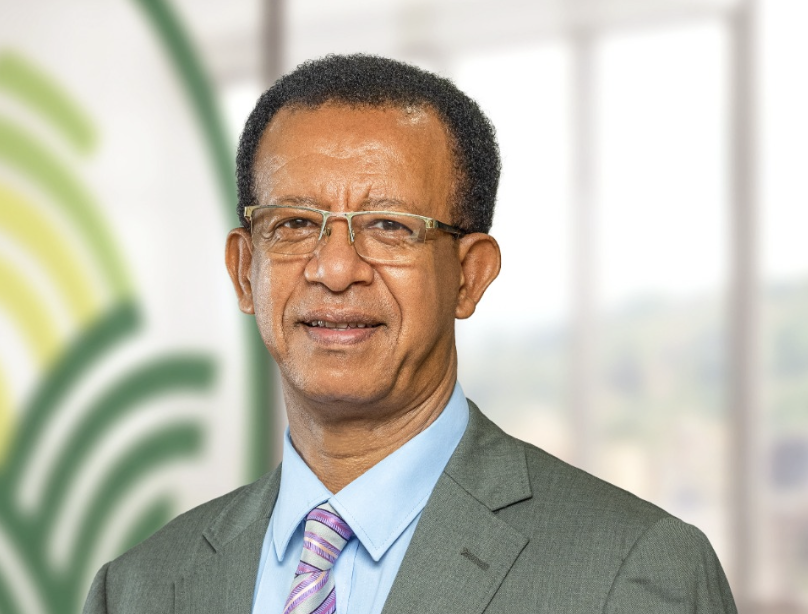
Ghana's government is moving forward with a large-scale oil palm development initiative designed to generate employment and strengthen the nation's agricultural sector. At the National Oil Palm Multi-stakeholder Roundtable Forum held in Accra on Wednesday, 12 August 2026, Minister for Food and Agriculture Eric Opoku revealed plans to establish 100,000 hectares of oil palm plantations across the country.
The announcement signals the government's commitment to leveraging Ghana's agricultural potential and natural resources to create sustainable livelihoods for thousands of Ghanaians. Oil palm cultivation has long been recognised as a significant cash crop with both domestic and export market potential, contributing substantially to foreign exchange earnings and rural employment.
Strategic Goals and Economic Impact
The large-scale plantation development aims to create direct and indirect employment opportunities throughout the production chain—from cultivation and harvesting to processing and distribution. Oil palm production typically generates work for farm labourers, equipment operators, processors, and logistics personnel, offering pathways for both skilled and unskilled workers in agricultural communities.
Beyond employment, the initiative is expected to attract private sector investment in processing facilities, storage infrastructure, and value-addition operations. Ghana's existing oil palm industry already contributes meaningfully to the economy, and this expansion could enhance the country's competitive position in regional and international palm oil markets.
What This Means for Ghana
The oil palm sector expansion reflects broader government strategy to diversify Ghana's agricultural base and reduce over-reliance on traditional crops. For rural communities, particularly in regions suitable for palm cultivation, the initiative promises economic opportunities and improved household incomes. However, such large-scale agricultural projects also require careful management to balance economic benefits with environmental sustainability and land use considerations.
The National Oil Palm Multi-stakeholder Roundtable Forum itself indicates that the government is engaging various stakeholders—farmers, processors, exporters, environmental organisations, and regional authorities—in planning the expansion. This collaborative approach suggests efforts to address potential challenges including land acquisition, environmental impact, smallholder farmer participation, and market viability.
Ghana's palm oil sector has historically faced global scrutiny regarding sustainable production practices. The scale of this new initiative underscores the importance of implementing responsible cultivation methods, protecting forests, and ensuring that local communities benefit fairly from the development.
Industry Context and Implementation
Oil palm plantations require substantial upfront investment in land preparation, seedlings, and management infrastructure. The government's announcement likely involves coordination between the Ministry of Food and Agriculture, the Ministry of Lands and Natural Resources, regional administrations, and potential private sector partners. Financing mechanisms, whether through government budget, public-private partnerships, or donor support, will be critical to successful implementation.
The 100,000-hectare target represents an ambitious expansion that will take several years to achieve. Success will depend on securing suitable land, managing environmental concerns, ensuring farmers have access to quality seedlings and technical support, and creating markets for the increased production.
As Ghana continues pursuing agricultural modernisation and job creation, the oil palm initiative forms part of the broader economic development agenda. Stakeholder engagement, transparent land administration, and commitment to sustainable farming practices will be essential to ensuring the expansion benefits the nation and its people while maintaining environmental stewardship.
Source: 3News


Comments (0)
Be the first to comment.