
Ghana Moves to Regulate Iron and Steel Industry as GIISDEC Pushes Parliament Bill Within Months
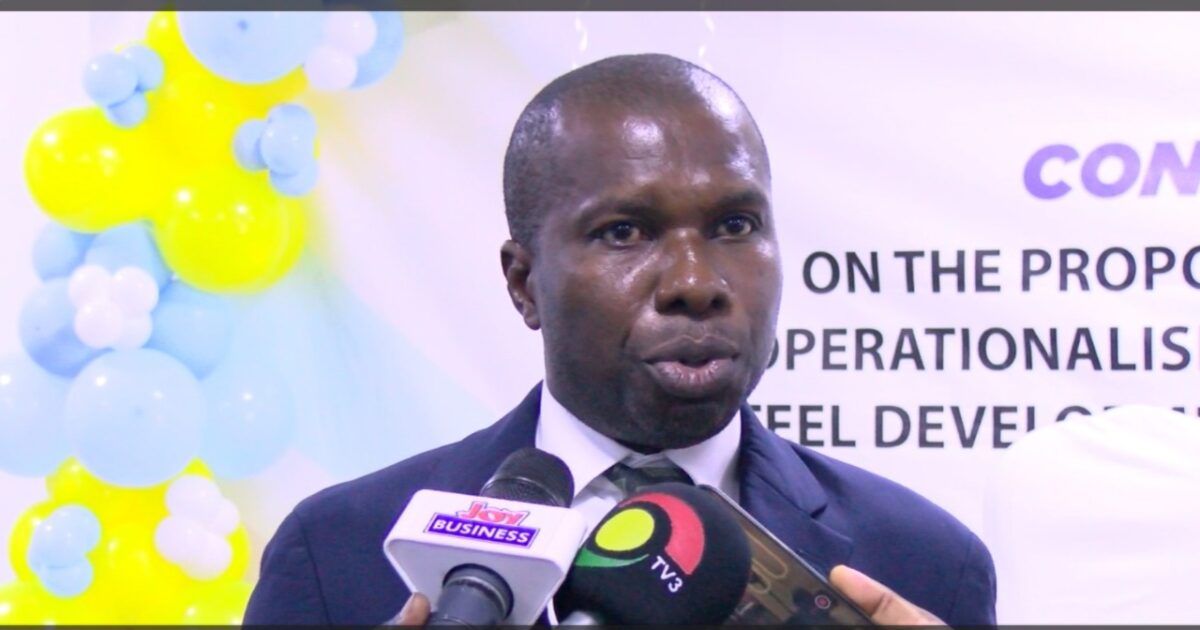

Ghana's iron and steel sector is on the cusp of a major regulatory overhaul, with the Ghana Integrated Iron and Steel Development Corporation (GIISDEC) set to submit a proposed Legislative Instrument (LI) to Parliament within the next two to three months. The move is intended to bring structured oversight to an industry that remains heavily dependent on imported raw materials, while unlocking the country's considerable but largely untapped iron ore potential.
What the proposed regulations cover
GIISDEC Chief Executive Officer William Okofo Dartey outlined the scope of the proposed framework at a stakeholders' consultation forum held in Accra on Thursday, 26 November 2026. He explained that the LI would address three distinct segments of the industry — upstream, midstream and downstream — as well as the scrap metal sector, which he described as a critical domestic source of raw materials for steel smelting operations.
On the upstream side, the regulations would govern mineral exploration, concession agreements and partnerships with investors, while embedding local content requirements to ensure that Ghanaians and the government share in the benefits derived from iron ore development. Key deposit sites already under GIISDEC's attention include the Shieni deposit in the Tatale-Zabzugu District of the Northern Region, as well as Opomansi and Adunbanso.
The midstream provisions would guide the establishment and operation of steel processing plants, with an emphasis on promoting local value addition. At present, Ghana imports significant volumes of raw materials — including steel slabs — which domestic companies then process into finished products, a situation the new framework aims to gradually reverse.
Downstream regulations would focus on marketing and promoting the use of locally produced steel, particularly within the construction and infrastructure sectors. Mr Dartey stressed that products entering the Ghanaian market must meet required quality standards to offer genuine value to consumers and developers alike.
GIISDEC has already engaged with leading steel manufacturers, including B5 Plus and Star Steel, to better understand their operational challenges — most notably their ongoing reliance on imported inputs. Feedback from those engagements, as well as consultations with traditional authorities, district assemblies and communities in affected regions, is being incorporated into the draft instrument.
Why it matters for Ghana
The proposed LI is designed to operationalise the Ghana Integrated Iron and Steel Development Corporation Act, 2019 (Act 988), legislation that has been on the books for several years without a full regulatory backbone to give it teeth. The absence of such a framework has meant that Ghana, despite possessing iron ore deposits, continues to pay significant foreign exchange for imported steel inputs — a drain on the economy that the new regulations are specifically designed to address.
Beyond import substitution, a well-regulated iron and steel sector could stimulate job creation, support local manufacturing and reduce the cost of building materials in a country grappling with an infrastructure deficit. The construction sector, in particular, stands to benefit if locally produced steel becomes more competitive and reliably available.
Strengthening the scrap metal sub-sector under the same regulatory umbrella is equally significant. The collection and processing of scrap metal currently operates in a largely informal manner, limiting its contribution to formal steel production. Bringing it into a structured framework could boost the supply of affordable raw materials for smelting companies while formalising livelihoods in that segment of the economy.
Next steps
Mr Dartey indicated that stakeholder consultations are in their final stages. After incorporating feedback from Thursday's forum and subsequent engagements over the coming weeks, GIISDEC will forward the proposed instrument to the Attorney-General's Department for the necessary legal processes before it is formally presented to Parliament. If the timeline holds, Ghana could have a functioning regulatory framework for its iron and steel industry in place before the end of the first quarter of 2027 — a development that industry players and policymakers have long called for.
Source: MyJoyOnline



Comments (0)
Be the first to comment.