
Ghana Makes Stars But Not Businesses: Why the Record Label Must Make a Comeback

Ghana has earned a remarkable reputation as one of Africa's most prolific music exporters. From highlife legends to Afrobeats and Afropop crossover acts, Ghanaian artistes have consistently captured global attention. Yet for all the viral hits, international collaborations and streaming milestones, the country continues to struggle with one fundamental challenge: building the kind of durable music businesses that convert talent into lasting commercial wealth.
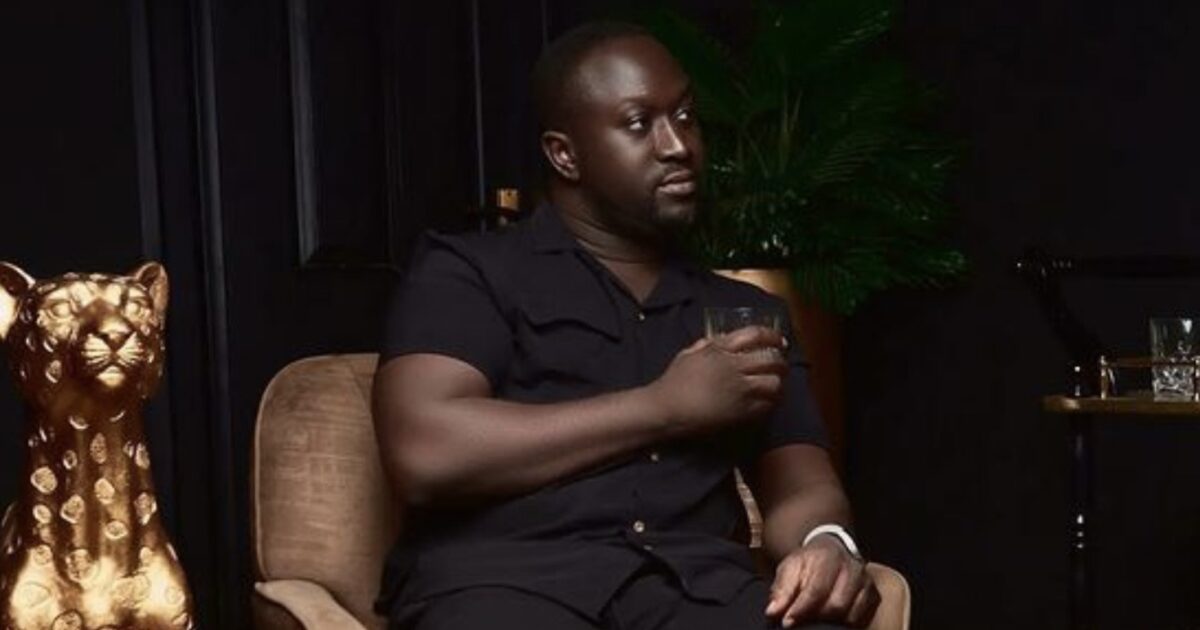
Industry commentator Richmond Adu-Poku has reignited a critical conversation about the future of Ghana's music economy, arguing that the decline of the record label — not the shortage of talent — is the single greatest obstacle holding Ghanaian music back from its full commercial potential.
A History Worth Remembering
Ghana's recorded music industry is far older than many people realise. As far back as the 1920s, international companies such as Zonophone and His Master's Voice were already capturing Ghanaian music for commercial distribution. Among the earliest recordings was Jacob Sam's 1928 version of Yaa Amponsah, a song that would become a landmark in highlife history.
By 1948, Decca had established a permanent recording studio in Accra — widely regarded as the first professional recording facility in West Africa. It served as a creative home for some of the era's greatest musicians, including E.T. Mensah's Tempos, King Bruce's Black Beats and E.K. Nyame's Guitar Band.
Through the 1960s and 1970s, Ghana did not merely produce music — it manufactured records, pressed vinyl, employed thousands and exported culture. Ambassador Records, Record Manufacturers Ghana and the Ghana Film Studio were among the institutions that gave the industry real commercial backbone. Highlife, in that era, was not just a genre. It was an organised, invested and ambitious industry.
Economic hardship and infrastructure decline from the late 1970s gradually dismantled that ecosystem, though cassette-era businesses such as Frimprince Music, Megastar and Soul Records helped sustain commercial music into the following decades. The lesson from that history is clear: Ghanaian music has always required institutional investment to thrive, not just talent.
The Rise and Stall of Modern Labels
The hiplife era brought a new wave of structured music companies. Lynx Entertainment, founded by Richie Mensah in 2006, became perhaps the most cited example of professional artist development in Ghana, nurturing acts including MzVee, KiDi and Kuami Eugene from relative obscurity to mainstream stardom. Other companies — among them Highly Spiritual Music, Sarkcess Music, Burniton Music and Legacy Life Entertainment — showed that labels could manage branding, production, promotion and commercial partnerships simultaneously.
Yet many of these companies have since scaled back or faded from prominence, and Ghana has not produced enough well-capitalised replacements. The industry has plenty of talent scouts and content creators, but far fewer businesses with the financial depth and strategic patience to invest in long-term artist development.
Why It Matters for Ghana
The widespread availability of digital distribution platforms has created a misleading impression of sufficiency. Any Ghanaian artiste can today upload a song and reach listeners in London, Lagos or Los Angeles without a label's involvement. That independence is genuinely valuable, and there is no case for returning to an era of exploitative gatekeeping.
However, access to distribution is not the same as having a functioning music business. Securing brand endorsements, negotiating international licensing deals, planning and financing major tours, managing intellectual property rights and building a recognisable global brand all require institutional capacity that individual artistes, managing themselves on slim margins, rarely possess.
The financial consequences are real. Ghana consistently produces music that generates significant commercial value — yet a disproportionate share of the revenue flowing from that music ends up benefiting foreign streaming platforms, foreign distributors and foreign management structures rather than Ghanaian businesses and the broader local economy.
Rebuilding strong, transparent and well-funded record labels is not about recreating old power structures. It is about ensuring that Ghana's extraordinary creative output is matched by equally serious commercial ambition — so that the money Ghanaian music earns around the world finds its way back home and builds something lasting.
- Ghana's recording industry dates to the 1920s, with Decca opening West Africa's first studio in Accra in 1948.
- Modern labels like Lynx Entertainment demonstrated that structured artist development can produce sustained commercial careers.
- Digital distribution gives artists global reach but does not replace the business infrastructure needed to build lasting empires.
Source: MyJoyOnline




Comments (0)
Be the first to comment.