
Ghana loses US$20m annually to fibre cuts; Big Push road projects blamed for nearly half
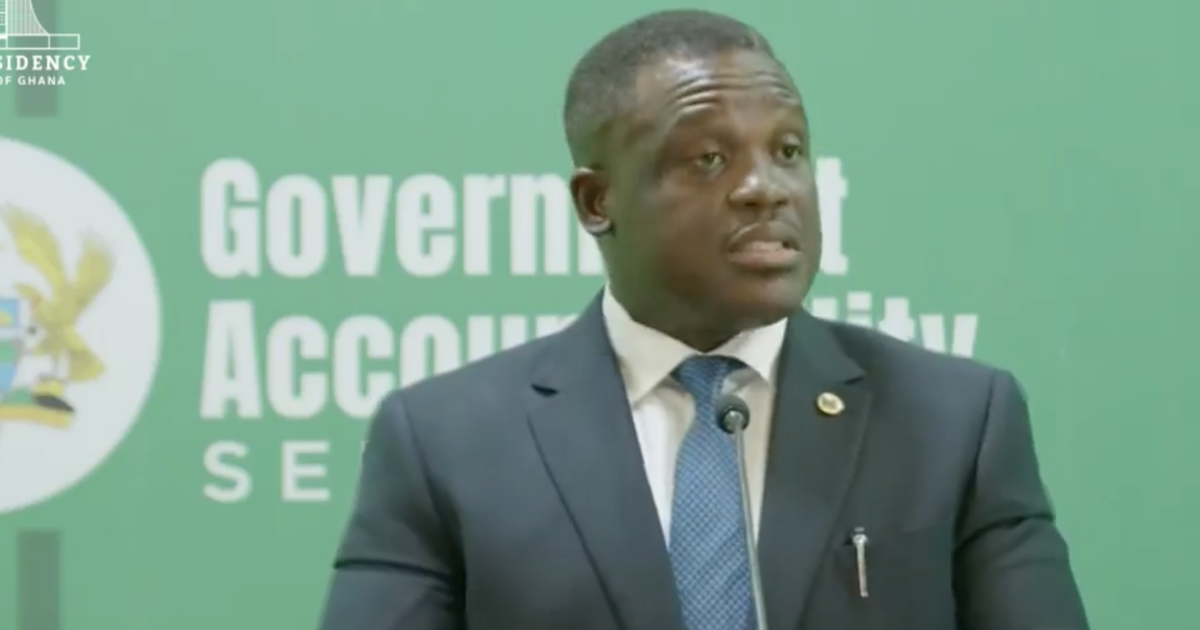

Ghana's telecommunications sector is haemorrhaging resources due to widespread fibre optic cable cuts, with Communications Minister Samuel Nartey George disclosing that the country has spent more than US$20 million on repairs—money that could have been deployed towards expanding broadband access to underserved communities.
Speaking at the Government Accountability Series in Accra, Mr George revealed that Ghana recorded 8,578 fibre cuts so far this year, a persistent crisis that shows no signs of abating. The Minister stressed that this drain on finances directly undermines the government's digital infrastructure ambitions, as telecommunications operators are forced to redirect capital from network expansion projects towards emergency repairs.
The scale of Ghana's fibre cut problem
The pattern of fibre cuts over recent years paints a troubling picture. Ghana recorded approximately 3,900 cuts in 2021, a figure that surged to over 10,000 in 2022 before settling at around 6,000–8,000 annually in subsequent years. This volatility reflects the unpredictable nature of the threat, making it difficult for telecom companies to budget and plan infrastructure development effectively.
The financial burden is staggering when considered cumulatively. With annual repair costs exceeding US$20 million, Ghana is effectively bleeding capital that could have been invested in 5G rollout, undersea cable redundancy, or fibre connectivity to rural areas where digital exclusion remains a major challenge.
Road construction and illegal mining driving the crisis
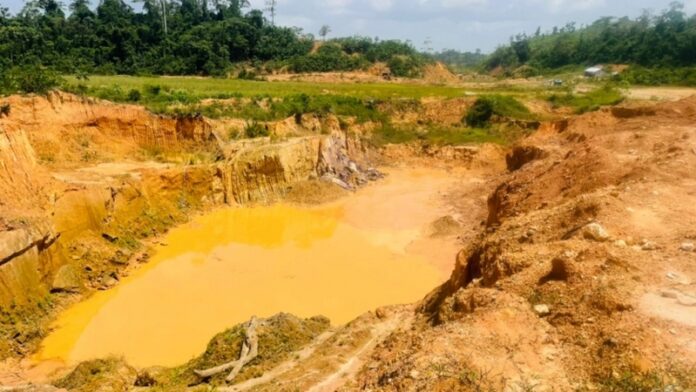
Minister George identified two primary culprits: government road projects and illegal mining operations. Road construction under the Big Push infrastructure programme accounts for nearly half of all fibre cuts at 49%, whilst illegal mining contributes approximately 25% of the damage. The remaining 26% stems from other causes including accidental damage during construction and third-party activities.
The Big Push programme, whilst essential for economic development, has created a coordination problem. Telecommunications infrastructure, buried underground along major routes, frequently comes into conflict with excavation work. Without adequate pre-construction surveys, damage notification protocols, or penalties for contractors, fibre cables remain vulnerable during roadworks.
Illegal mining, particularly in regions like the Ashanti, Eastern, and Western regions, compounds the problem. Unregulated mining operations frequently disturb underground utilities, and enforcement against such activities remains inconsistent.
Why it matters for Ghana
The fibre cut crisis has direct implications for Ghana's digital economy and competitiveness. Reliable broadband is foundational for e-commerce, remote work, digital payments, and online education—sectors increasingly vital post-pandemic. When fibre cuts disrupt service, businesses lose revenue, students miss lessons, and healthcare facilities struggle to access telemedicine platforms.
For telecommunications operators—including MTN, Vodafone, and AirtelTigo—the repair costs translate into higher operational expenses that are eventually passed to consumers through service charges. This makes mobile and fixed broadband unaffordable for lower-income Ghanaians, widening the digital divide.
The government's own digital agenda, including broadband penetration targets and the digitalisation of public services, is undermined when infrastructure remains fragile. Minister George's disclosure signals recognition of this challenge, but addressing it requires institutional coordination. The Ministry of Roads and Highways, telecommunications operators, and regulatory bodies like the National Communications Authority must establish protocols for utility protection during roadworks and strengthen enforcement against illegal mining.
Until fibre cuts are meaningfully reduced, Ghana will continue redirecting scarce resources from growth-oriented investment into reactive repairs—a costly trap that must be broken through better planning and accountability.
Source: MyJoyOnline



Comments (0)
Be the first to comment.