
Ghana launches ambitious tomato self-sufficiency push to cut USD 400m import bill


Ghana is set to tackle one of its costliest agricultural imports with the official launch of the Ghana Tomato Self-Sufficiency Initiative (GHATSI) on Tuesday, September 15, in Anloga, Volta Region. The Ministry of Food and Agriculture and private partner FarmMate LTD are rolling out an ambitious public-private partnership aimed at transforming the nation's tomato sector from import-dependent to self-reliant within the coming years.
Agriculture Minister Eric Opoku will lead the launch event at Anlo Senior High School Park, bringing together government officials, regional authorities, traditional leaders, farmers, financiers and technical partners. The initiative represents a strategic response to Ghana's persistent tomato deficit, particularly during the December-to-July off-season when domestic supplies dwindle and imports surge.
Why it matters for Ghana
The numbers tell a stark story: Ghana currently spends over USD 400 million annually importing fresh tomatoes and tomato paste—a drain on foreign exchange reserves that strains the national budget. Despite possessing favourable land, water resources and climate conditions suitable for year-round tomato production, the country has failed to capitalise on these advantages, leaving it vulnerable to international price volatility and supply chain disruptions.
GHATSI addresses this structural weakness by building an integrated domestic value chain that connects farmers directly to processors, markets and financial services. The approach recognises that import substitution requires more than simply encouraging production; it demands coordinated investment in storage, processing infrastructure, finance and risk management.
Rollout targets and farmer support
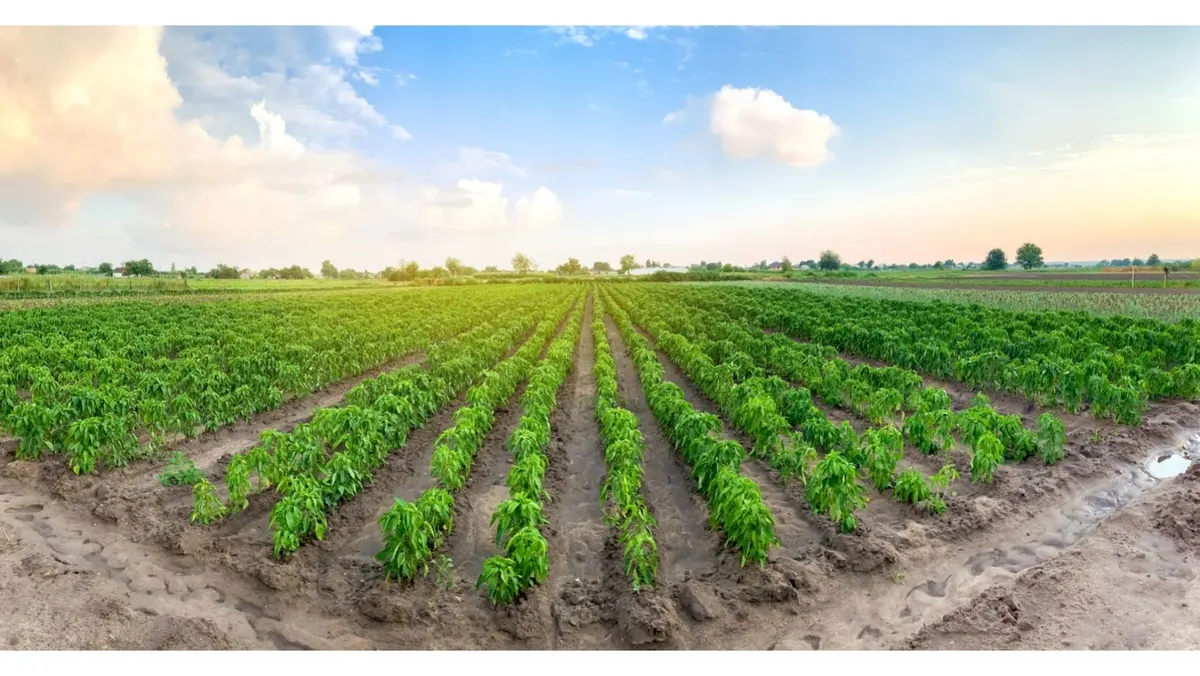
The initiative's ambition is substantial. Full rollout aims to achieve annual national production of 400,000 tonnes, with the first phase targeting 100,000 tonnes during the 2026/2027 production cycle. This initial phase will span more than 10,000 acres across 40 districts, 12 regions and over 100 communities, with participating farmers receiving comprehensive support packages.
Under the Farmer Enhancement Package, growers gain access to financed agro-inputs, irrigation infrastructure, technical extension services and multi-peril crop insurance—critical safeguards against climate variability and pest outbreaks. Repayment for inputs is settled directly at harvest through off-take arrangements, reducing financial risk for smallholder farmers who typically lack collateral for traditional bank credit.
Broader development benefits
Beyond import substitution, GHATSI is designed to deliver employment and income security across the agricultural value chain. The initiative prioritises youth engagement, offering sustainable livelihoods in farming, aggregation, processing and distribution roles. By structuring contract farming arrangements with guaranteed market access, the scheme aims to stabilise farmer incomes and reduce post-harvest losses—currently a significant waste issue in Ghana's tomato sector.
The initiative also buffers farmers and the economy against climate shocks and international price fluctuations, strengthening food security and rural resilience. Success would free up substantial foreign exchange for other development priorities while building a more robust domestic food system.
GHATSI's launch marks a pivotal moment in Ghana's agricultural transformation agenda, signalling government commitment to substituting high-value imports through domestic production and value-added processing.
Source: MyJoyOnline



Comments (0)
Be the first to comment.