Ghana Health Service launches post-flood disease prevention push as fumigation intensifies across Accra

Ghana's health authorities have ramped up efforts to prevent disease outbreaks following last week's devastating floods across Accra, with the Ghana Health Service (GHS) calling for heightened public participation in sanitation measures. The push comes as the nation enters the critical post-flood period when waterborne and communicable diseases typically emerge as major health threats in flood-affected communities.
Director-General of the GHS Samuel Kaba Akoriyea has stressed that whilst government agencies are spearheading large-scale disinfection and clean-up operations, the success of these interventions ultimately depends on how seriously residents take their own hygiene responsibilities. His appeal underscores a reality familiar to public health officials: comprehensive disease prevention requires both top-down governmental action and bottom-up community engagement.
Fumigation and sanitation operations underway
As part of the government's immediate response, the GHS has commenced systematic fumigation of high-risk public spaces including markets, transport terminals, and other gathering points throughout parts of Accra. These locations were identified as priority areas due to their vulnerability to contamination and the volume of people they serve daily. The fumigation campaign represents a standard epidemiological approach to reducing vectors and pathogens in densely used spaces during the post-disaster phase.
The sanitation interventions are running concurrently with a national clean-up exercise now in its second day. According to Dr Akoriyea, maintaining strict personal hygiene practices—including proper handwashing, safe water handling, and food safety—remains essential for residents during this vulnerable period. The GHS has also emphasised the importance of proper waste disposal and environmental sanitation at the household level.
Waste management challenges in Korle Klottey
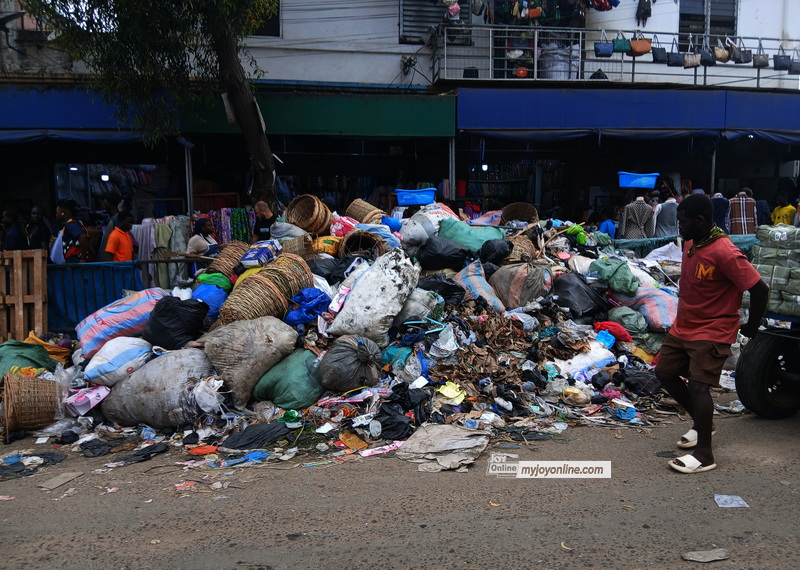
In the Korle Klottey Municipality, sanitation workers are contending with substantial accumulations of flood-generated debris that have sparked resident complaints. Municipal Chief Executive Alfred Gaisie has called for public patience as teams accelerate clearing operations, assuring residents that remaining waste heaps will be removed by day's end. The challenges faced in Korle Klottey reflect broader waste management difficulties common in flood-affected urban areas, where large volumes of contaminated material overwhelm normal disposal systems.
Why it matters for Ghana
Post-flood disease outbreaks pose a significant public health risk to Ghana, particularly in densely populated urban areas like Accra. Historical patterns show that flooding creates ideal conditions for diseases such as cholera, typhoid, malaria, and dysentery to spread rapidly through contaminated water and sanitation infrastructure. Poor communities and informal settlements are typically most vulnerable.
The GHS's proactive approach—combining government-led fumigation with public health messaging—reflects lessons learned from previous disaster responses. However, the appeal for public cooperation highlights a persistent challenge: sustaining community engagement in preventive health measures beyond the immediate emergency phase. Residents must understand that disease prevention during the post-flood period is not merely a government responsibility but a shared civic duty. Proper hygiene, waste segregation, and reporting of unsanitary conditions all contribute to breaking disease transmission chains.
Beyond the immediate crisis, these events underline the need for Ghana to strengthen urban drainage infrastructure, improve waste management systems, and build resilience in health facilities serving flood-prone areas. The current response demonstrates coordination between health authorities and local government, yet sustained investment in prevention infrastructure remains critical for reducing future flood-related health emergencies.
Source: MyJoyOnline


Comments (0)
Be the first to comment.