Ghana Cedi to Remain Stable as Bank of Ghana's Forex Support Strengthens Currency
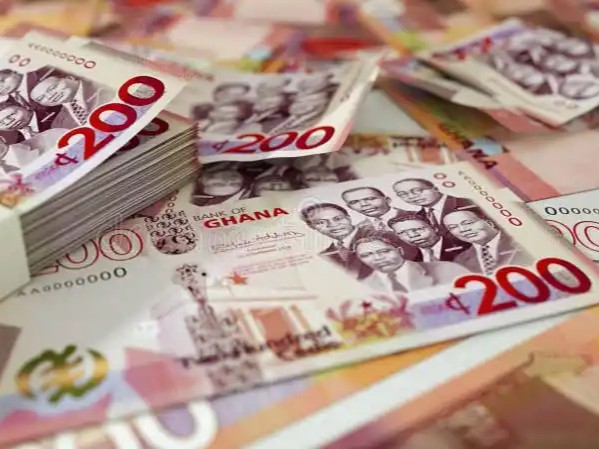
The Ghana cedi is expected to maintain relative stability over the coming months, buoyed by recent foreign exchange interventions from the Bank of Ghana and an overall improvement in the country's macroeconomic fundamentals, according to PricewaterhouseCoopers (PwC) Ghana.
Speaking at the launch of PwC's 2026 Banking Survey in Accra, Country Senior Partner Vish Ashiagbor highlighted the effectiveness of the central bank's currency management efforts. The Bank of Ghana injected US$2.01 billion into the foreign exchange market in June 2026, comprising US$1.2 billion through the Forex Intermediation Programme and US$811 million via the FX Intervention Programme. These measures have helped ease pressure on the cedi and restored market confidence.
"Although the cedi has faced some recent pressure, the Bank of Ghana's interventions have been crucial in stabilising the currency," Mr Ashiagbor noted. He expects the cedi to trade within its current range with limited risk of significant appreciation or depreciation in the medium term, providing relative predictability for businesses and investors.
On monetary policy, PwC anticipates the Bank of Ghana will maintain its current policy rate at the next Monetary Policy Committee meeting. Ashiagbor indicated that inflation risks flagged by the central bank have already been factored into previous decisions to hold rates steady, suggesting the cautious stance is likely to continue.
The positive outlook reflects Ghana's broader economic trajectory, marked by improving exchange rate stability, declining inflation, and strengthened investor confidence. However, PwC's banking survey warns that financial institutions must adapt their business models as interest rates decline and traditional revenue streams face pressure.
Source: MyJoyOnline




Comments (0)
Be the first to comment.