Ghana and Africa watch as US threatens India with 100% tariffs over Russian oil purchases
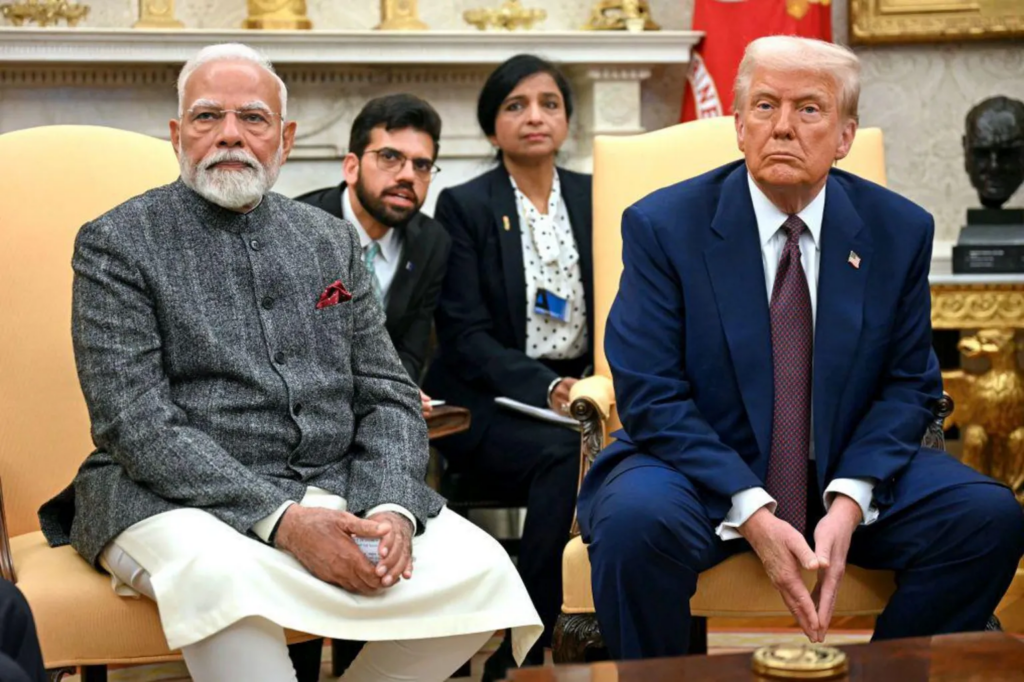
The US House of Representatives has passed legislation that could impose punishing 100% tariffs on countries importing Russian oil and gas, putting India—one of the world's largest oil importers—in the crosshairs. The bill, now awaiting President Trump's signature, threatens to upend global energy markets with significant spillover effects for African nations, including Ghana.
India currently sources 30.3% of its crude oil from Russia, worth $40.8 billion annually out of a total crude import bill of $134.7 billion. Russia alone supplies more crude to India than all six of India's other major suppliers combined. This dependence, built over four years as Indian refineries capitalised on Russian crude displaced from Western markets following the Ukraine invasion, now exposes India to severe trade retaliation if it refuses to pivot away from Russian energy.
Why it matters for Ghana
Ghana and other African nations depend on affordable Indian goods—from pharmaceuticals and electronics to textiles and machinery—as well as stable global energy prices. India's US exports alone totalled $104 billion in 2025, spanning sectors critical to African development. If the US imposes 100% tariffs on Indian exporters, the cost could be passed downstream to African importers, raising prices for essential medicines, electrical equipment and manufactured goods.
Additionally, if India is forced to drastically reduce Russian oil imports, it may compete more aggressively for crude from traditional African and Middle Eastern suppliers, potentially driving up global oil prices—a burden felt acutely by oil-importing African economies. Ghana, a net oil importer despite domestic production, would face higher energy costs and reduced competitiveness for scarce barrels.
Energy security is also a broader African concern. The threat of US tariffs weaponised against oil-trading decisions sets a precedent that could reshape how African nations negotiate energy partnerships and trade relationships, narrowing policy flexibility at a time when the continent is pursuing energy independence and economic growth.
The challenge for India and global markets
India's options are limited. While alternative crude suppliers exist—including Saudi Arabia, the UAE, and others—replacing Russian volumes at scale would increase shipping costs, insurance premiums and freight expenses. Longer shipping routes and tighter global supplies could push crude prices higher across the board.
The bill typically allows 180 days for compliance, though President Trump can shorten this deadline. India has already signalled its position through formal statements, emphasising that Russian oil purchases secure affordable energy for 1.4 billion people and have stabilised global supplies and prices. Trade officials have warned that the bill could damage US-India relations at a sensitive moment, as the two countries pursue bilateral trade negotiations.
Experts caution that the tariff would hit Indian exporters directly through retaliation on goods entering the US, affecting the rupee, refinery margins and India's trade balance. For African nations relying on Indian imports, this translates into supply chain disruption and higher costs.
Broader implications
This move reflects growing US pressure on major oil importers to isolate Russia economically. However, the unintended consequences—higher global energy prices, disrupted trade flows, and reduced affordability of essential goods in developing economies—will be felt far beyond India and the US. African policymakers should monitor how this dispute resolves, as it may signal how trade and energy policy will intersect in coming years.
Source: MyJoyOnline




Comments (0)
Be the first to comment.