Ghana AIDS Commission urges media to report responsibly on HIV and combat stigma
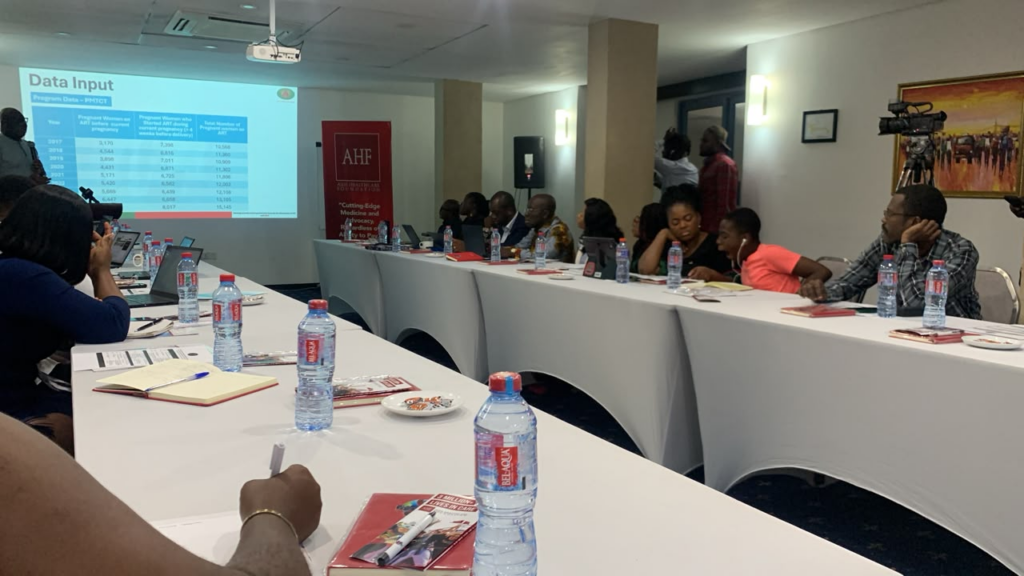
Ghana's AIDS Commission and the AIDS Healthcare Foundation have issued a renewed call for journalists and media organisations to adopt responsible, ethical reporting practices on HIV-related issues, arguing that accurate and dignified coverage is essential to reducing stigma and strengthening public health efforts across the country.
The appeal came during a media engagement programme held on Tuesday, August 4, specifically designed to improve HIV reporting standards, address harmful stigmatisation, and ensure the public receives accurate information about HIV transmission, national estimates, and available services.
Media as strategic partners in Ghana's fight against AIDS
Dr Kharmacelle Prosper Akanbong, Director General of the Ghana AIDS Commission, emphasised that journalists are not simply recorders of information but active participants in Ghana's broader public health strategy. He stressed that every article, broadcast segment, interview, and social media post carries weight and influence, potentially shaping how millions of Ghanaians perceive HIV and respond to prevention and treatment opportunities.
According to Akanbong, the role of responsible media engagement extends beyond information dissemination. Ethical reporting directly supports efforts to reduce stigma, encourage healthy behaviours, increase uptake of HIV testing and treatment services, and maintain political commitment to ending AIDS as a public health threat in Ghana.
Avoiding sensationalism and protecting human dignity
Dr Elia E. Houphouët, Country Programme Manager for the AIDS Healthcare Foundation, highlighted a critical concern: the tendency of some media outlets to pursue sensational narratives that inadvertently reinforce harmful stereotypes about people living with HIV. She called on journalists to resist the temptation of eye-catching headlines or inflammatory language when covering HIV-related stories.
Instead, Houphouët encouraged the media to centre the lived experiences and humanity of people affected by HIV, moving away from dehumanising narratives towards storytelling that builds empathy and understanding. She argued that this approach not only protects the dignity of individuals living with HIV but also has practical public health benefits—humanised reporting can encourage more people to seek testing without fear of social ostracisation, and can support those already diagnosed to access care confidently.
Why it matters for Ghana
Ghana has made significant progress in its HIV response over recent decades, but stigma remains a substantial barrier to prevention, testing, and treatment uptake. Media narratives shape public attitudes and influence whether individuals feel safe accessing health services. When HIV is reported through a lens of shame or sensationalism, it discourages vulnerable populations—including key populations at higher risk—from seeking the care they need.
The calls from the Ghana AIDS Commission and AHF reflect international best practice in HIV communication. Responsible reporting strengthens public health campaigns, supports government efforts to meet UNAIDS targets, and ultimately contributes to better health outcomes for Ghanaians living with or at risk of HIV. As media gatekeepers, journalists hold considerable power to either perpetuate damaging myths or foster informed, compassionate public discourse on one of Ghana's ongoing health priorities.
Source: MyJoyOnline


Comments (0)
Be the first to comment.