
Ghana to roll out condom vending machines nationwide by late 2026 in bid to tackle HIV
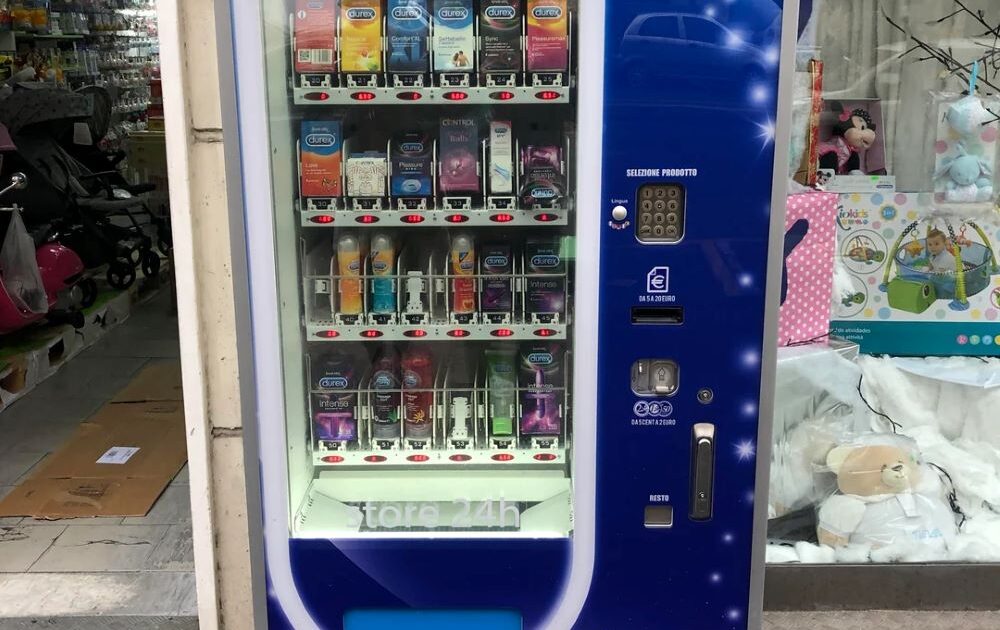

Ghana is set to introduce condom vending machines across the country by the final quarter of 2026, marking a significant shift in the nation's approach to HIV prevention and sexual health access. The Ghana AIDS Commission (GAC) announced the rollout during a recent dissemination meeting in Accra focused on the country's HIV epidemiological situation and future response strategies.
The automated dispensers will be strategically positioned in high-traffic public spaces including lorry stations, mosques, sports stadia and shopping centres, enabling citizens to obtain condoms discreetly without face-to-face interaction with vendors. This approach is designed to address a persistent barrier to prevention: the stigma and embarrassment many people experience when purchasing condoms through traditional retail channels.
Expanding beyond public spaces
The initiative extends beyond commercial venues. The GAC plans to install machines in government institutions, specifically in washrooms across ministries, departments, agencies and financial institutions, as part of a broader national HIV and wellness policy. This institutional approach aims to embed condom accessibility into everyday spaces where Ghanaians work and conduct business.
According to Dr Kharmacelle Prosper Akanbong, Director-General of the Ghana AIDS Commission, the machines will not be uniform across all locations. Instead, they will be customised based on community characteristics—some electronically operated, others manually administered—to suit local contexts and reduce vulnerability to theft or vandalism.
Learning from past challenges
Ghana attempted a similar initiative previously, deploying condom vending machines that sold three-pack bundles for 50 pesewas. However, that programme collapsed due to widespread vandalism, with individuals forcibly emptying machines to access coins. The GAC has acknowledged this setback and says the new generation of machines will incorporate security improvements to minimise such risks.
Separately, Dr Akanbong addressed concerns about condom shortages that emerged last year, confirming that the government has secured additional supplies now distributed nationwide. This stockpiling effort aims to ensure consistent availability when the vending machine rollout begins.
Why this matters for Ghana
HIV remains a significant public health challenge in Ghana. Improving access to prevention tools is crucial for reducing new infections and achieving the UNAIDS targets Ghana has committed to. The condom vending initiative reflects a recognition that traditional distribution methods have limitations—many Ghanaians, particularly young people and marginalised communities, may avoid purchasing condoms in person due to social stigma or limited access in their localities.
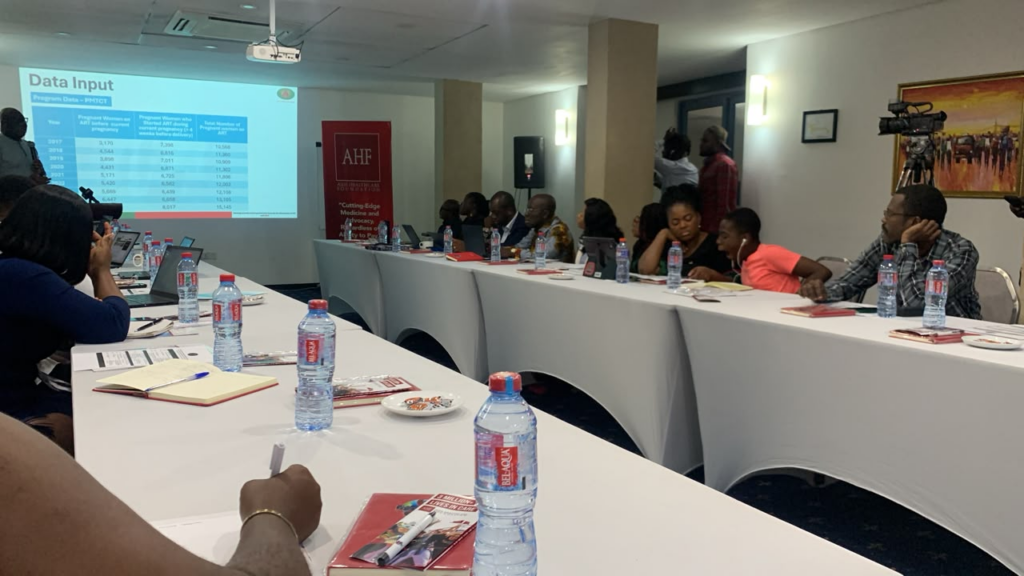
The World Health Organization Country Office Technical Lead for HIV, Tuberculosis and Hepatitis, Dr Kafui Senya, stressed at the meeting that sustained efforts to reduce new infections, combat stigma and ensure equitable access to prevention and treatment services are essential. The vending machine approach aligns with this agenda by removing social friction from condom acquisition.
Experts also highlighted the need to close persistent gaps in HIV prevention programming and strengthen integrated, people-centred care models. The expansion of condom access represents one tactical element within Ghana's broader HIV response framework, which must also address testing, treatment adherence, and care for people living with HIV.
The government's commitment to this rollout, reaffirmed by the GAC Governing Board Chair Kakra Essamuah, signals an intent to modernise Ghana's HIV prevention infrastructure and adapt service delivery to the realities of how Ghanaians seek health products and information.
Source: MyJoyOnline




Comments (0)
Be the first to comment.