GFA launches US$200,000 healthcare fund for retired Black Stars players
The Ghana Football Association has unveiled an ambitious welfare scheme designed to ease the financial burden of healthcare for retired Black Stars and national team players. The GFA Foundation Player Welfare Initiative represents a significant institutional shift toward safeguarding former players whose careers brought glory to Ghana but often left them financially vulnerable in retirement.
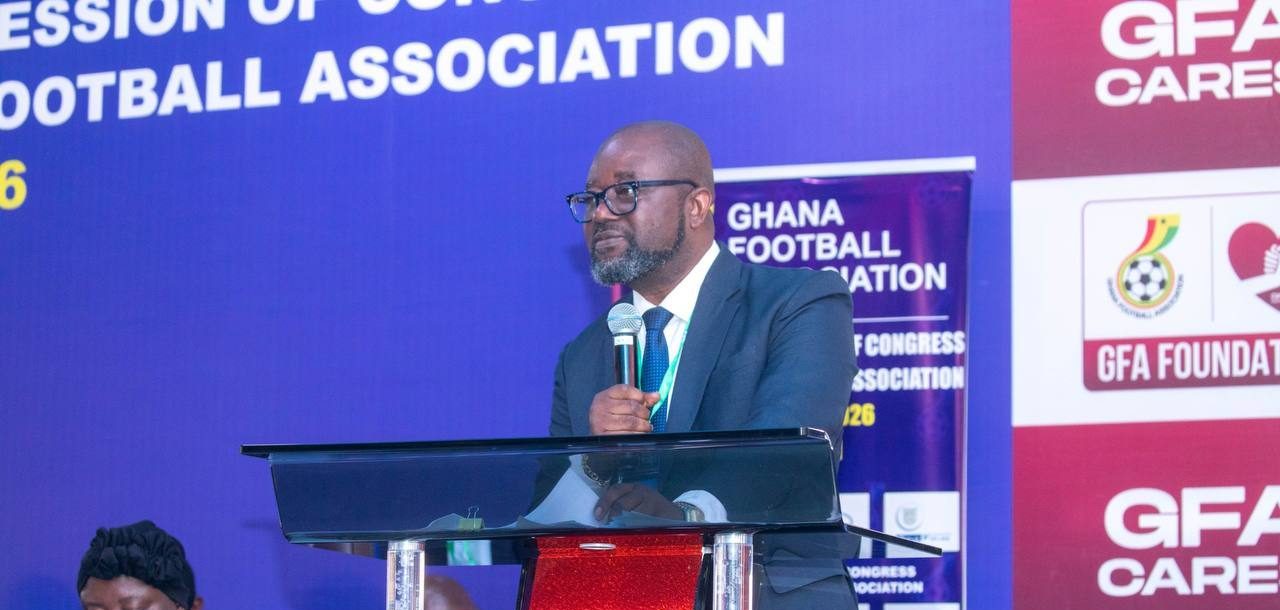
Announced by GFA President Kurt Edwin Simeon-Okraku at the 32nd Ordinary Session of the GFA Congress in Prampram, the programme commits US$50,000 annually for four consecutive years, totalling US$200,000. This dedicated healthcare fund will operate through the GFA Foundation and aims to provide financial assistance to eligible former national team representatives struggling with medical expenses.
Who benefits and how it works
The initiative targets former Black Stars players and other national team representatives who meet eligibility criteria and face serious health challenges. Rather than offering one-time payments, the sustained four-year commitment allows for continued support as medical needs evolve among ageing athletes. The GFA Foundation will manage applications and determine which players qualify for assistance, though specific eligibility thresholds have not yet been detailed.
Healthcare costs remain a significant challenge for many retired footballers globally, particularly in countries where athlete pensions and social safety nets are limited. For Ghana, where even successful players often earn modest incomes relative to international standards, unexpected medical crises can devastate families and force difficult choices between treatment and financial survival.
Why it matters for Ghana
This welfare initiative addresses a longstanding gap in how Ghanaian football institutions care for their veterans. Many former Black Stars players who represented the nation with distinction during the 1980s, 1990s and 2000s have publicly struggled with poverty, disability, and untreated medical conditions. Their stories—often emerging only when illness becomes critical—highlight the disconnect between the glory they brought Ghana and their post-retirement circumstances.
The scheme also carries symbolic importance. It signals that the GFA recognises former players as assets worthy of continued investment, not merely historical figures to be celebrated in memorials and anniversary events. By institutionalising healthcare support, the association positions itself as a responsible steward of Ghana's football heritage.
For current and aspiring players, the programme may offer modest reassurance that dedication to national service carries some institutional reciprocity. However, observers note that US$200,000 spread across four years and an entire universe of former national team players remains modest—suggesting this is an important first step rather than a comprehensive solution.
Broader implications
The GFA's move may also influence other African football associations to establish similar programmes. African football has historically produced world-class talent that generated significant revenue, yet many legends have ended careers in relative hardship. Ghana's initiative could become a model for regional peer associations considering their own player welfare responsibilities.
Success will depend on transparent administration, accessible application processes, and sufficient publicity to ensure eligible former players know the fund exists. The GFA Foundation will be critical to executing this mandate effectively over the four-year period.
Source: The Ghana Report



Comments (0)
Be the first to comment.