GES Cracks Down on Schools Rejecting Students Over Storage Containers
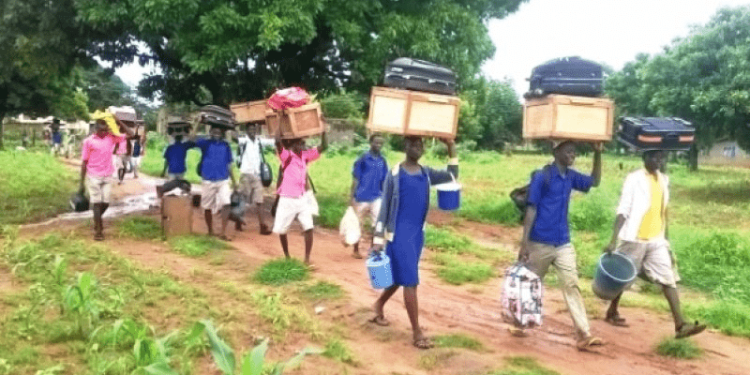
The Ghana Education Service has issued a stern directive to secondary school heads across the country, prohibiting them from denying admission or refusing accommodation to newly enrolled students simply because they arrive with metal trunks or wooden chop boxes instead of prescribed storage containers.
The move follows complaints that some senior high schools and senior high technical schools had begun turning away duly admitted students or isolating them from boarding facilities based on the type of personal storage items they brought to campus. Deputy GES Director-General Professor Mrs Smile Dzisi issued the statement, emphasising that such discriminatory practices place unfair financial strain on families already struggling to afford school fees and basic requirements.
The Core Issue: Discrimination Based on Economic Status
According to the GES, the practice of rejecting particular types of storage containers amounts to indirect discrimination against students from lower-income households. Parents and guardians who cannot afford expensive branded storage solutions—or who rely on traditional chop boxes that have served Ghanaian families for generations—should not have their children penalised for economic circumstances beyond their control.
The directive makes clear that all admitted students deserve fair treatment and equal accommodation regardless of their family's purchasing power. As long as storage items are reasonably sized, safe, and pose no health or safety risk to other students, they must be accepted without question.
The GES has instructed regional directors to communicate this directive to all school heads immediately. Any institution found violating the order will face investigation and disciplinary action in accordance with GES regulations and applicable laws.
Why It Matters for Ghana
This ruling touches on a persistent challenge within Ghana's education system: ensuring that quality secondary education remains accessible to students across all socioeconomic backgrounds. Secondary education already carries significant costs for Ghanaian families—tuition, uniforms, books, and boarding fees can stretch household budgets thin, particularly in rural areas and for families with multiple school-age children.
When schools impose additional unwritten requirements or use arbitrary standards to exclude students, they effectively create barriers that contradict Ghana's commitment to inclusive education. The resurgence of such practices suggests that without clear oversight, some institutions may prioritise aesthetic or convenience preferences over the fundamental principle that education is a right, not a privilege reserved for the wealthy.
This directive reinforces that schools must focus on education quality rather than enforcing lifestyle conformity. It also sends a message to school management that the GES takes equity seriously and will hold accountable those who attempt to circumvent it through indirect discrimination.
Moving Forward
The GES has tasked regional directors with monitoring compliance and investigating reported violations. Schools found contravening the directive will face consequences, signalling that this is not merely advisory guidance but a binding policy backed by enforcement mechanisms.
For parents and guardians concerned about such practices, the directive provides clear grounds to report discriminatory treatment to education authorities, ensuring their children's right to education is protected.
Source: MyJoyOnline


Comments (0)
Be the first to comment.