
Fuel Industry Body Demands NPA Crack Down on Companies Selling Below Approved Petroleum Prices
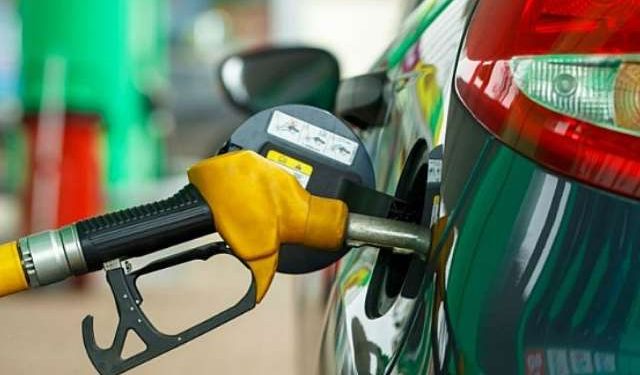

Ghana's Chamber of Oil Marketing Companies (COMAC) has issued a strongly worded call on the National Petroleum Authority (NPA) to enforce the petroleum price floor without exception, warning that selective compliance is destabilising the downstream fuel industry and placing law-abiding companies at a serious commercial disadvantage.
In a statement released on Thursday, 26 November 2026, COMAC said it has observed continued instances of petroleum products — including LPG — being sold below the minimum price set by the NPA. The Chamber expressed particular frustration that some breaches have been explained away as pricing errors, with offending companies then publicly calling for the floor policy to be scrapped altogether.
"Instances of below-floor pricing, later explained away as errors and followed by public calls for the floor to be abolished, amount to a circumvention of the policy," COMAC stated, adding that it is yet to see any meaningful regulatory response to such violations.
What the price floor is — and why it exists
The NPA introduced the petroleum price floor to prevent predatory pricing in Ghana's liberalised downstream petroleum sector. Rather than a measure designed to keep prices artificially high for consumers, the policy is intended to ensure that all operators compete on a level playing field — meeting their tax obligations, maintaining fuel quality and safety standards, and remaining commercially viable over the long term.
COMAC argues that companies which undercut the floor gain an unfair advantage, potentially by cutting corners on quality controls, evading taxes, or simply absorbing unsustainable losses in a bid to drive rivals out of the market. Over time, such behaviour can reduce the number of operators in the market, weakening competition and ultimately leaving consumers worse off through supply instability or higher prices in the future.
The Chamber is urging the NPA to investigate all reported cases of non-compliance, apply appropriate sanctions and intensify public education so that Ghanaians understand the rationale behind the policy.
Why it matters for Ghana
Fuel prices have long been a sensitive issue in Ghana, touching everything from transport fares and food costs to industrial production. When petroleum companies engage in below-floor pricing without regulatory consequence, it creates an uneven market that can push compliant businesses — particularly smaller, independent fuel retailers — to the brink.
For everyday Ghanaians, the concern is not just about today's pump price. Predatory pricing tactics, left unchecked, tend to consolidate markets in the hands of a few dominant players, reducing consumer choice and bargaining power down the line. COMAC's statement underscores a broader principle: that short-term cheap fuel achieved through regulatory non-compliance is not a sustainable benefit for the public.
There are also fiscal implications. If some companies are pricing below floor by under-declaring costs or evading levies, Ghana's petroleum tax revenues — which fund road infrastructure and other public goods — may be falling short of their potential.
December price outlook and the Chamber's warning
Separately, COMAC has projected that fuel prices at the pump are likely to fall during the first pricing window of December 2026. The Chamber attributed the anticipated decline to favourable movements in international crude markets, exchange rate dynamics and other market fundamentals — a potential relief for consumers who have navigated elevated fuel costs for much of the year.
However, COMAC was quick to caution that the prospect of falling prices does not justify pricing outside approved channels. "The expected decline is no justification for non-compliance," the Chamber stated, insisting that any legitimate reduction must flow through the NPA's official pricing mechanisms.
COMAC reaffirmed its commitment to engaging constructively with the NPA, government and industry stakeholders, while reminding its own members of their obligations under the revised Petroleum Products Pricing Guidelines. The Chamber's central message to the regulator was unambiguous: act decisively, enforce the rules uniformly, and protect the integrity of Ghana's downstream petroleum market.
Source: The Ghana Report


Comments (0)
Be the first to comment.