From Street Goals to World Stages: How Ghana's Grassroots Football Culture Builds Champions
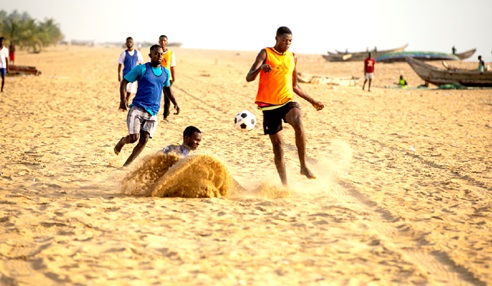
Football in Ghana starts not in air-conditioned academies or state-of-the-art training facilities, but on dusty streets, sandy beaches and cramped neighbourhood compounds where children fashion goalposts from slippers, stones and discarded plastic. This grassroots foundation has become the engine driving one of Africa's most prolific football nations, where raw talent and relentless determination overcome material scarcity.
The iconic phrase "gutter to gutter" encapsulates Ghana's street football culture perfectly. Narrow street drains serve as touchlines while makeshift goals mark either end, and young players compete with World Cup intensity despite the absence of referees, spectators' stands or proper equipment. Games continue until sunset, disrupted only by passing vehicles. It is this unforgiving environment—where technique must compensate for limited resources—that has forged generations of exceptional players.
The Production Line of Champions
Ghana's contribution to world football extends far beyond the Black Stars. Legends like Abedi Pele, Tony Yeboah and Samuel Kuffour established the nation's reputation as a talent factory, whilst more recent generations—Michael Essien, Stephen Appiah, Asamoah Gyan and Sulley Muntari—have cemented Ghana's status as a consistent exporter of elite talent to Europe's top clubs.
The Black Starlets' dominance in youth competitions proved prophetic of the nation's senior success. Winning the FIFA U-17 World Cup in both 1991 and 1995, these tournaments validated Ghana's youth development system and announced the arrival of a football powerhouse. The players forged in these youth competitions would later guide the Black Stars to their finest moments on the world stage.
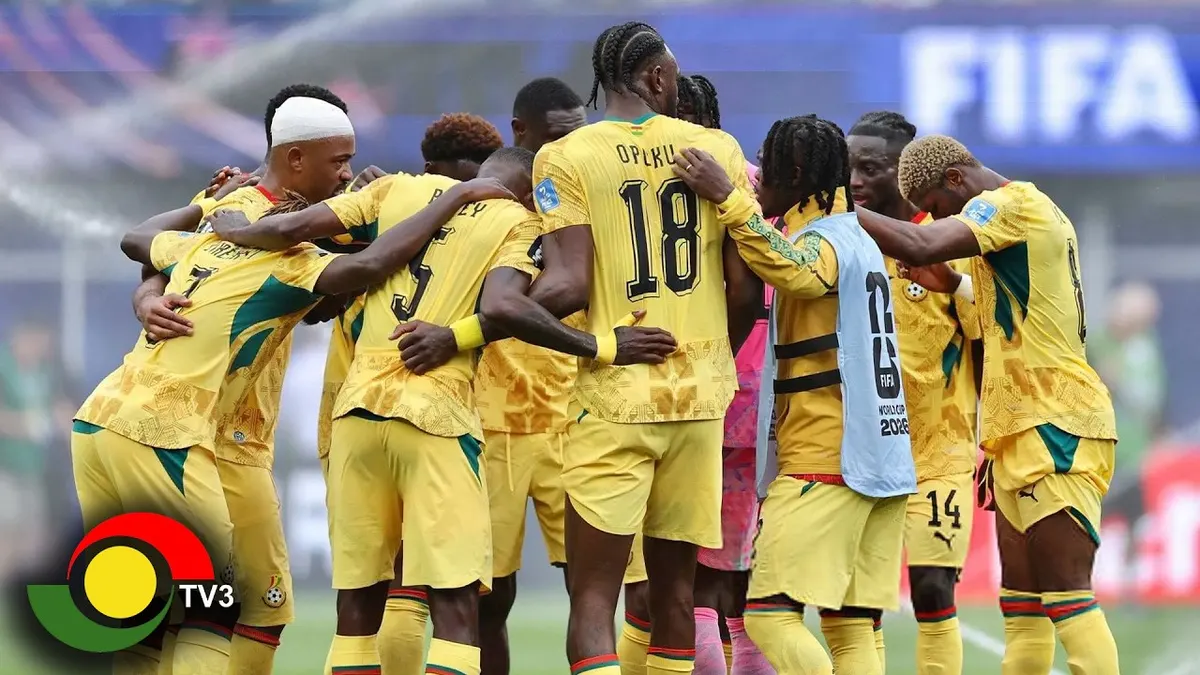
Ghana's senior team qualified for multiple FIFA World Cups, announcing itself memorably in Germany 2006 before capturing global admiration by reaching the quarter-finals in South Africa 2010. These achievements proved that the passion cultivated on neighbourhood streets could translate into sustained international competitiveness.
Why It Matters for Ghana
Ghana's football ecosystem represents more than sporting achievement—it is a social infrastructure that provides hope and opportunity across economic divides. In communities where formal employment remains precarious and educational pathways uncertain, football offers a tangible route to financial security and international mobility. Young players see the path clearly: excel on the street, progress through club academies, attract European scouts, and transform family circumstances.
This cultural investment in football also serves as a unifying force. Across ethnic and regional boundaries, Ghanaians rally behind the Black Stars with an intensity that transcends sport. Match days become national moments, with entire communities gathering around television sets, celebrating shared identity and collective pride.
However, sustaining this advantage requires continued investment in youth development infrastructure, coaching education and competitive league structures. While street football will always produce raw talent, formalising pathways from grassroots to professional football ensures Ghana retains its competitive edge in an increasingly globalised market where rival nations invest heavily in academy systems.
The Living Culture of Football
What distinguishes Ghanaian football from many nations is that it is not merely watched but lived. A fisherman becomes a striker after work. A schoolyard becomes a training ground for future stars. Every neighbourhood street match carries the weight of possibility, where a single spectacular pass or stunning goal might change a lifetime. This deeply embedded football culture means talent identification happens organically, with exceptional ability spotted and nurtured by communities rather than depending entirely on formal scouts.
From improvised street pitches to Europe's grandest stadiums, Ghana's football journey reflects the nation's broader character: resourcefulness, passion and an unshakeable belief that greatness can emerge from anywhere. That belief, tested repeatedly on dusty streets and sandy shores, continues to produce players who carry their nation's hopes to the world stage.
Source: The Ghana Report


Comments (0)
Be the first to comment.