
Fidelity Bank Customers Stranded as MoMo Transfers, GhQR and Instant Payments Go Dark
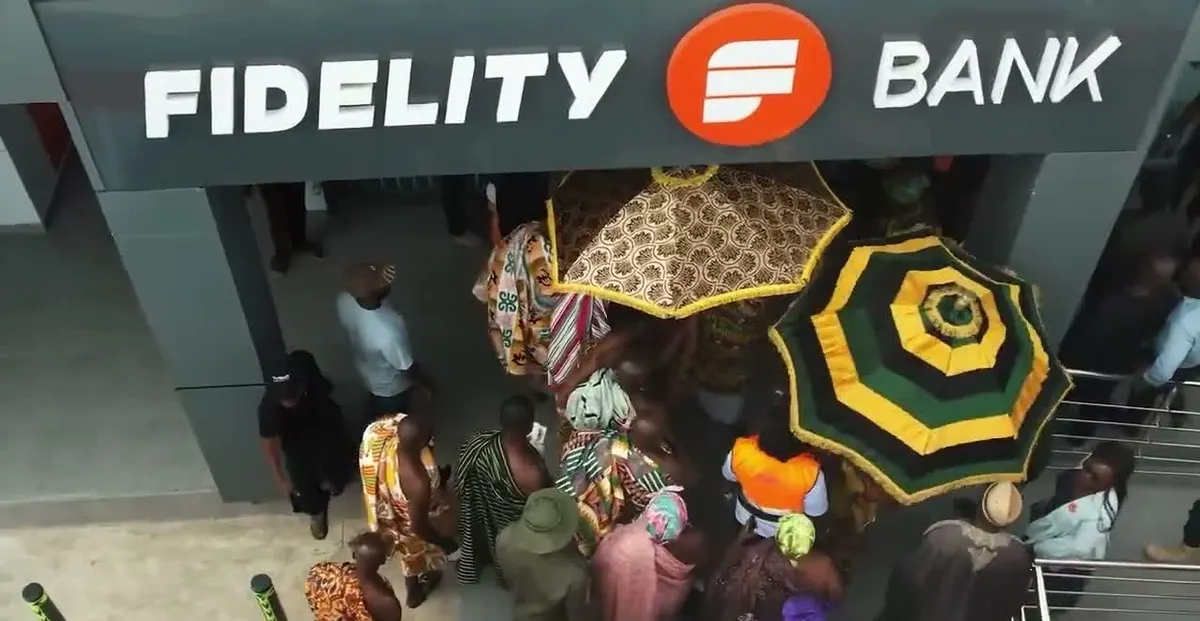

Customers of Fidelity Bank Ghana have been left frustrated after a technical failure knocked out several key digital payment services, leaving many unable to complete everyday financial transactions. The affected services include account-to-wallet transfers — which connect bank accounts directly to Mobile Money (MoMo) wallets — as well as instant interbank transfers and GhQR, the country's unified quick-response payment code system.
What we know so far
The bank has confirmed that the disruption is the result of a technical issue on its end, though it has not disclosed the specific nature of the problem or given a firm timeline for when services will be fully restored. The outage began on Wednesday and was still affecting customers as of the time of reporting, meaning the disruption has stretched across multiple days — a significant inconvenience for account holders who rely on these channels for daily spending, bill payments and business transactions.
GhQR, operated under the Ghana Interbank Payment and Settlement Systems (GhIPSS) infrastructure, allows customers to pay merchants by scanning a QR code directly from their bank app. Its unavailability, alongside the breakdown in MoMo and instant transfer services, means affected Fidelity Bank customers have had very limited options for cashless payments during the outage.
Why it matters for Ghana
Ghana has made considerable strides in recent years in building a robust digital payments ecosystem. The country's interoperability framework — which allows seamless transfers between bank accounts and mobile money wallets — is widely regarded as one of the most advanced in sub-Saharan Africa. Millions of Ghanaians now depend on these services not just for personal convenience but for running small businesses, paying suppliers and receiving wages.
When a major bank's digital channels go down for an extended period, the ripple effects are felt broadly. Market traders who accept GhQR payments, households sending money to relatives, and workers making urgent transfers are all caught in the crossfire of such outages. The situation also highlights the vulnerability that comes with heavy dependence on digital infrastructure — and raises questions about redundancy and business continuity planning within the banking sector.
The Bank of Ghana has in the past issued guidelines requiring financial institutions to maintain high service availability standards and to promptly communicate disruptions to customers. Extended outages without clear communication can erode consumer trust, which regulators and the industry have worked hard to build as Ghana pushes towards a cash-lite economy.
What affected customers can do
- Use ATMs or branch tellers for cash withdrawals and over-the-counter transfers while digital services remain unavailable.
- Try alternative payment apps — where possible, merchants and individuals may be able to use other banks' platforms or direct MoMo wallet-to-wallet transfers that do not originate from a Fidelity Bank account.
- Monitor Fidelity Bank's official channels — the bank's website and social media pages are the most reliable sources for real-time updates on service restoration.
- Contact customer support to log your complaint formally, which also helps the bank track the scale of the disruption and prioritise fixes.
Fidelity Bank is one of Ghana's leading indigenous commercial banks with a substantial retail customer base. The bank has not yet indicated whether affected customers will receive any form of compensation or relief for failed transactions during the outage period. GH Today will continue to follow developments as more information becomes available.
Source: 3News




Comments (0)
Be the first to comment.