Ethiopian Airlines' $9.1bn revenue surge signals resilience of Africa's aviation leader
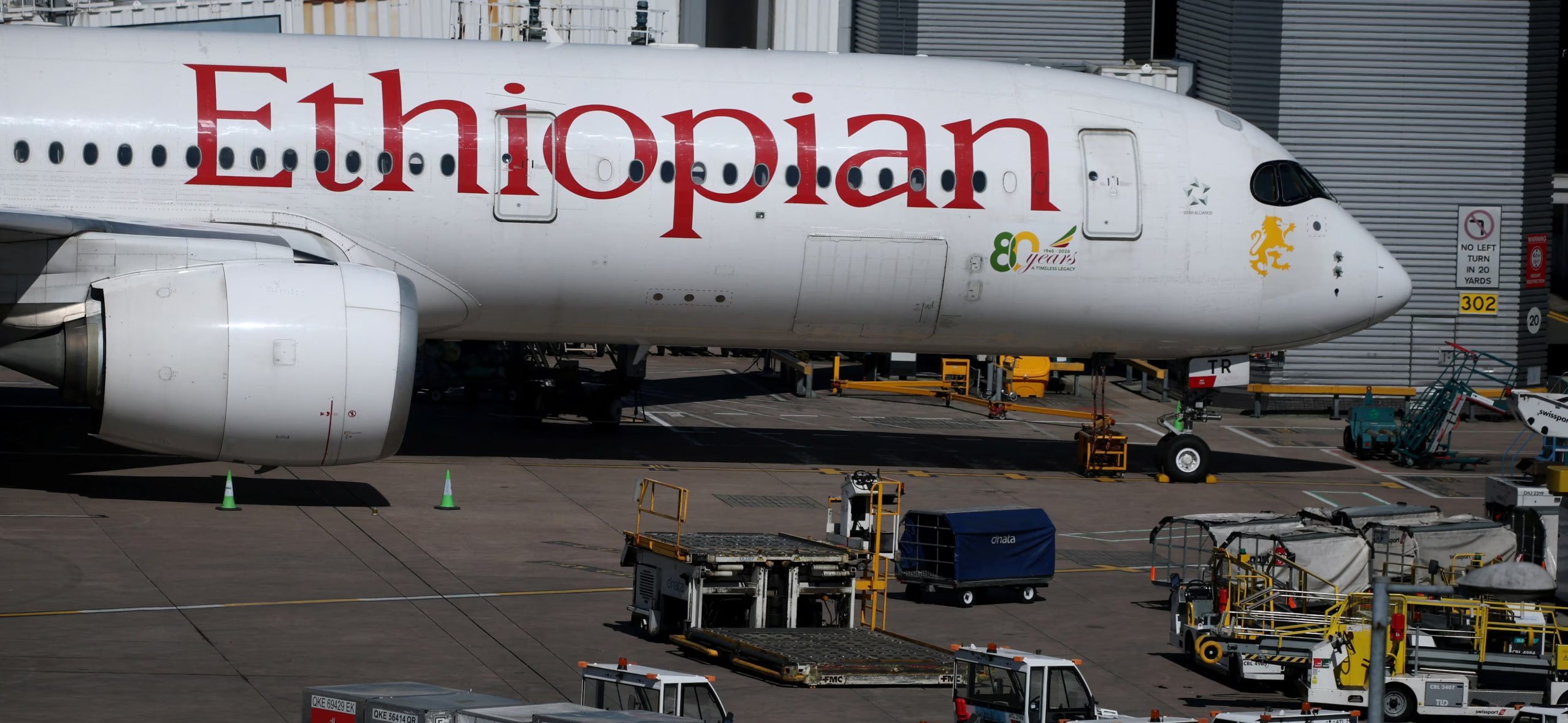
Ethiopian Airlines, Africa's dominant carrier, has posted a commanding 20% increase in full-year revenue to $9.1 billion for the financial year ending July 7, 2026, signalling the continent's aviation sector is rebounding despite serious operational challenges. The state-owned airline's performance matters significantly for Ghana's aviation landscape, as Ethiopian Airlines remains a key competitor and partner on continental routes that Ghanaian carriers navigate.
The airline expanded its passenger base by 10% to 20.7 million travellers, whilst cargo operations grew even faster, with freight tonnage climbing 16% year-on-year to 897,000 metric tons. These figures underscore strong demand for air travel across Africa and demonstrate that despite geopolitical turbulence, the region's aviation market continues to expand.
Expansion plans and fleet modernisation
Ethiopian Airlines is pursuing an aggressive expansion strategy that will reshape its competitive position. The carrier added nine aircraft to its fleet during the reported period and has committed to purchasing six additional Boeing 787-9 Dreamliner jets to strengthen its long-haul international network. Additionally, the airline is evaluating a major order for 25 smaller commercial jets, a decision expected within three months of June, aimed at bolstering services on regional African routes where competition from carriers like Ghana's own airlines is intensifying.
Infrastructure improvements at Addis Ababa Bole International Airport complement these fleet enhancements, creating a hub that attracts more connecting traffic across the continent. For Ghana, this means increased pressure on Accra's aviation infrastructure and a need for local carriers to enhance their own competitiveness through service quality and route expansion.
Why this matters for Ghana
Ethiopian Airlines' strong financial performance and expansion ambitions carry real implications for Ghana's aviation sector. As the continent's leading airline, Ethiopian's growth directly influences regional competition, pricing, and capacity on routes connecting major African hubs. Ghanaian carriers like Passion Air and others competing on similar routes face a powerful, well-capitalised competitor with growing fleet capabilities.
The revenue growth occurred despite significant headwinds that affected operations: flight cancellations caused by Middle East conflicts and the Democratic Republic of Congo's Ebola outbreak both impacted performance. These disruptions highlight how fragile African aviation supply chains remain and how quickly regional instability can ripple across the continent's air transport network. Ghana, positioned as a regional aviation hub with Kotoka International Airport, could benefit from increased connectivity if Ethiopian's expansion includes more Accra routes, but local operators must strengthen their offerings to remain relevant.
Notably, Ethiopian Airlines did not release specific profit figures, providing only revenue data through the state news agency. This opacity around profitability—despite strong topline growth—raises questions about margin pressures, operational costs, and sustainability that investors and competing airlines will watch closely. The airline's ability to convert revenue growth into actual profits will determine the pace and scale of its future investments.
Source: The Ghana Report




Comments (0)
Be the first to comment.